




Prioritise Ventilation
The first and most crucial step in combating damp smells is to improve air circulation. High humidity creates the perfect breeding ground for mould and mildew, which are the primary sources of that musty odour. Whenever the rain lets up, open windows
and doors, especially those opposite each other, to create cross-ventilation that pushes stale, moist air out. For areas with poor airflow like bathrooms and kitchens, consistently using exhaust fans is essential. Run them during and after activities that produce steam, like showering or cooking, to expel moisture immediately. Even a simple table fan can help circulate air in stuffy corners.
Harness Natural Odour Absorbers
Several common household items are excellent at absorbing both moisture and unpleasant smells. Activated charcoal is highly porous and works wonders in trapping odours and humidity. Place bowls of charcoal or small cloth bags filled with it in wardrobes, shoe racks, and damp corners. Baking soda is another effective and affordable option. Sprinkle it on carpets and upholstery, let it sit for about 30 minutes, and then vacuum it up. You can also place open bowls of baking soda in closets or the refrigerator to neutralise smells. Similarly, coarse sea salt can absorb ambient moisture; place it in bowls or knotted cloth bags in damp areas, replacing it every few days as it becomes saturated.
Strategic Cleaning and Decluttering
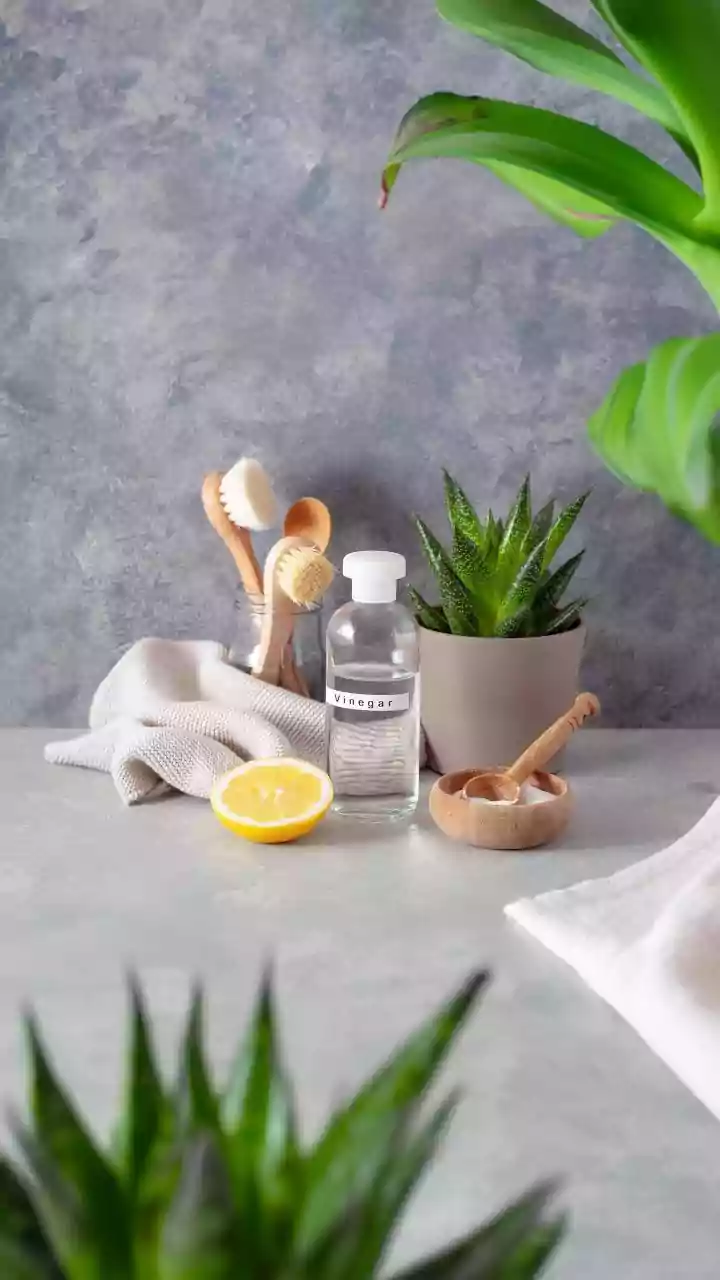
A clean home is less likely to harbour bad smells. Pay extra attention to your wardrobes and storage spaces during the monsoon. Avoid over-packing clothes to allow air to circulate between them. Ensure clothes are completely dry before storing them, as even slight dampness can lead to mildew. Wiping down the inside of cupboards with a solution of equal parts white vinegar and water can help kill existing mould spores and prevent their return. It is also a good practice to put away heavy rugs and carpets that can trap moisture during this season. If you can't, the baking soda trick works well for them too.
Solutions for Your Wardrobe
Wardrobes are particularly susceptible to that dreaded musty smell. Besides ensuring clothes are bone-dry, consider using natural desiccants. Silica gel packets, often found with new shoes or electronics, are great for absorbing moisture in closed spaces. Placing a few dried neem leaves in the corners of your closet can also help, as they have natural antifungal properties. Another traditional remedy is using camphor. Placing a few tablets in a muslin bag will not only absorb moisture but also leave behind a fresh scent. For a quick fix, used coffee grounds, thoroughly dried, can be placed in breathable pouches to deodorise and add a pleasant aroma.
Introduce Pleasant Scents Naturally
Once you have tackled the source of the dampness, you can introduce pleasant fragrances. However, the goal is to neutralise bad odours, not just mask them. Burning camphor or using an essential oil diffuser with scents like lemongrass, tea tree, or eucalyptus can help purify the air and provide a refreshing aroma. Some indoor plants, such as peace lilies and ferns, are known to help absorb moisture from the air, improving overall air quality while adding a touch of green to your home. A simple home remedy for kitchen odours is to simmer a pot of water with lemon slices, cloves, and a cinnamon stick.