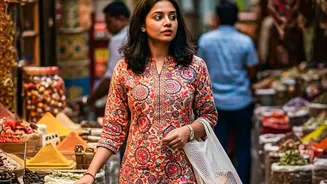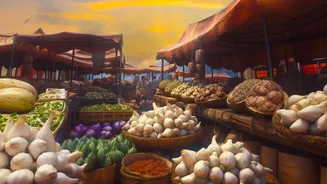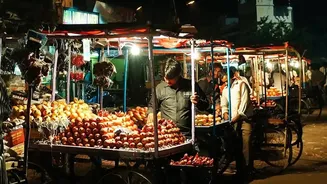





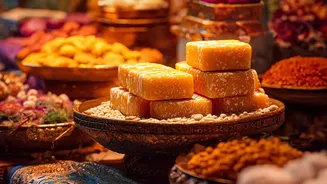
In the age of air-conditioned malls and one-click shopping, the charm of the local bazaar might seem like a relic. But beyond the polished floors and fixed prices lies a world of service that modern retail struggles to replicate.
The Relationship is the Real Transaction
In a sprawling mall, a shopper
is often just a data point, another sale in a quarterly report. The experience is designed for efficiency, not familiarity. Contrast this with your neighbourhood kirana store. The owner likely knows not just your name, but also which brand of biscuits your children prefer and when you are running low on atta. This personal relationship is the cornerstone of service in local markets. It transforms a simple purchase into a social interaction, built on years of trust and mutual understanding. This familiarity allows for a level of service that goes beyond the transactional; it is about knowing a customer's needs, sometimes even before they do.
Customisation and Flexibility
Modern malls offer variety, but local markets offer true customisation. Your local tailor doesn't just sell you a garment; they know your exact measurements and style preferences. The sabziwala might set aside the freshest produce for you because you are a regular customer. This kind of personalised curation is nearly impossible in a large retail chain. Kirana store owners, with their deep knowledge of the products they sell, can offer tailored recommendations, guiding a customer from a generic product to a local brand that better suits their taste and budget. This flexibility extends to how you shop, with many local vendors adapting to new methods like taking orders over WhatsApp, blending traditional relationships with modern convenience.
An Economy of Trust
One of the most significant differences is the system of informal credit. Many local shopkeepers maintain a 'khata' or ledger, allowing regular customers to buy groceries and settle the bill at the end of the month. This practice is built on a foundation of long-term trust, something a formal retail environment with its strict payment protocols cannot accommodate. This system is more than just a convenience; it is a social safety net, reflecting a community-centric approach to commerce where relationships hold tangible value. This trust-based economy fosters immense loyalty, making customers feel valued beyond their purchasing power.
The Market as a Community Hub
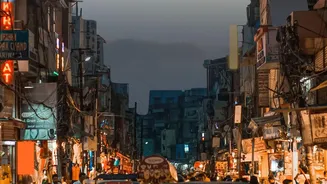
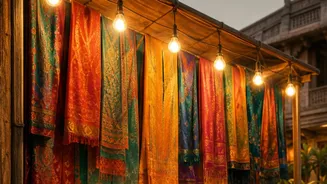
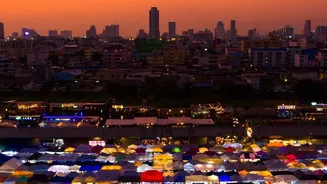
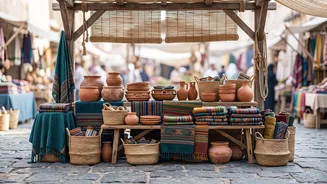
Local markets have always been more than just places of commerce; they are vibrant social conduits. They are where neighbours catch up, news is exchanged, and a sense of community is reinforced. The sensory experience—the chatter of vendors, the aroma of spices and street food, the riot of colours—creates a lively and engaging atmosphere that a sterile mall environment struggles to replicate. Malls may have food courts and designated event spaces, but they often lack the organic, spontaneous social interaction that defines a traditional bazaar. These markets are the heartbeat of a neighbourhood, reflecting its unique cultural identity.
The Human Element
Ultimately, the 'personal service' of local markets boils down to the human element. It is the expert advice from a shopkeeper who is passionate about their products, the willingness to bargain, and the simple act of being recognised and greeted. While malls have introduced trained 'personal shoppers' to emulate this, it often comes as a premium service aimed at increasing transaction value. In a local market, this personal attention is inherent to the experience, available to everyone. It is not a strategy to boost sales figures but a natural outcome of a business model built on human connection and community ties. This authentic engagement is something that, for many shoppers, remains priceless.