
From Pan-Indian to Hyper-Regional
Walk into many popular restaurants across India, and you'll find a familiar lineup: butter chicken, paneer tikka masala, and a standard biryani. While beloved, this pan-Indian menu has created a sense of culinary monotony for a generation raised on global
trends and digital discovery. Young diners are now seeking experiences that feel unique and genuine. This has sparked a widespread revival of regional Indian cuisines, with the diverse and ancient food traditions of Tamil Nadu emerging as a major point of fascination. The move is away from predictable, commercialised flavours towards recipes that tell a story of a specific place and its people.
A Quest for Authenticity
For today's young foodie, authenticity is paramount. They aren't just looking for a meal; they're seeking an experience that connects them to heritage. Tamil cuisine, with its history dating back to the Sangam period, offers incredible depth. Instead of a single 'Tamil flavour', explorers are discovering distinct culinary identities within the state. There's the fiery, spice-driven cuisine of Chettinad, born from the travels of the Chettiar trading community, known for its complex, freshly ground masalas featuring exotic ingredients like star anise and kalpasi (stone flower). This is a world away from the subtler, more rustic flavours of Kongunadu cuisine from Tamil Nadu's western belt, which relies on local ingredients like roasted turmeric, groundnuts, and sesame. This desire for realness means choosing restaurants that specialise in these hyperlocal traditions, often using recipes passed down through generations.
The Social Media Effect
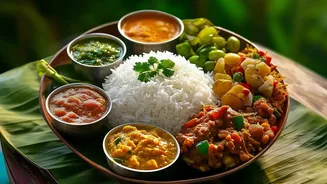
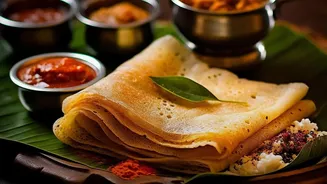
The revival of regional food is being powerfully amplified by social media. Platforms like Instagram and YouTube have become virtual food guides, where influencers and food bloggers unearth hidden gems and showcase lesser-known dishes. The visual appeal of a traditional meal served on a banana leaf or the vibrant colours of a Chettinad curry make for irresistible content. Hashtags and reels can turn a forgotten recipe into a viral trend, encouraging people to both seek out authentic eateries and try cooking these dishes at home. This digital word-of-mouth has been crucial in creating a buzz around hyperlocal cuisines and educating a new audience about the nuances of Tamil food.
Health, Heritage, and Home-Style Cooking
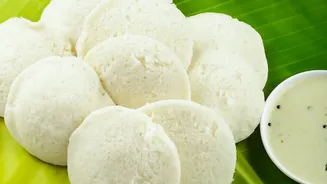
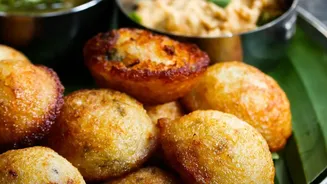
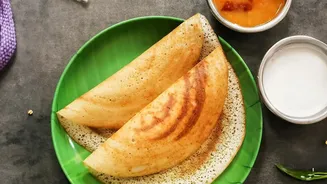
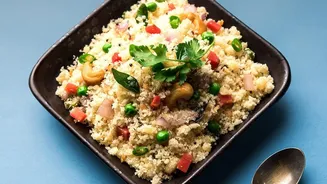
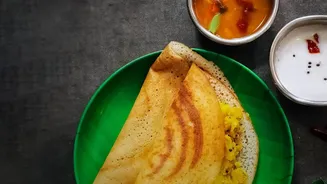
Beyond flavour and novelty, there's a growing perception that traditional food is simply healthier. Many Tamil dishes are built on a foundation of balanced nutrition, using fermented foods like idli and dosa that aid digestion, and a wide array of lentils and vegetables. The spices used—turmeric, cumin, pepper, and others—are not just for taste but are valued for their medicinal properties. Unlike restaurant food that can be heavy on oil and generic spice powders, authentic regional cooking often mirrors home-style methods. This emphasis on fresh, seasonal ingredients and time-tested techniques resonates with a generation that is increasingly conscious about wellness and moving away from highly processed meals.
A Story in Every Bite
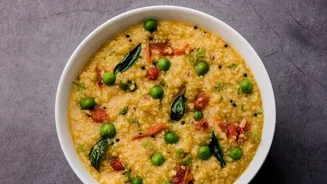
Ultimately, the preference for regional Tamil food is about more than just what's on the plate. It's a form of cultural exploration. Dishes like uppu kandam (sun-dried meat) and ratha poriyal tell stories of a region's history, geography, and survival techniques. Sweets like kummayam, made from millets, reflect the wisdom of seasonal eating passed down by elders. By choosing a fiery Chettinad crab masala or a comforting Arisi Paruppu Sadam from the Kongu region, young diners are connecting with a narrative. They are tasting history, celebrating diversity, and actively participating in the preservation of India's rich culinary tapestry.