






Beyond Individual Willpower
We often think of physical activity as a matter of personal motivation. But a growing body of research shows that our surroundings play a massive role. This is what experts call the "built environment"—all the physical parts of where we live and work,
from roads and sidewalks to parks and buildings. While individual choice is part of the equation, the built environment can either be a barrier or a powerful encouragement for an active life. An environment that feels unsafe, disconnected, or unpleasant to walk through will discourage movement, no matter how determined a person might be.
The Anatomy of an 'Inviting' Space
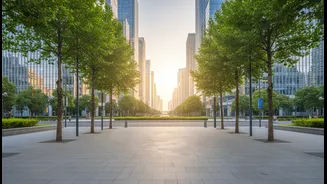
So, what makes an environment inviting? It’s a mix of several key ingredients. Safety is paramount; well-lit streets, wide and clear footpaths separated from traffic, and clearly marked crosswalks make people feel secure enough to walk, especially at night. Connectivity is another factor—streets should offer direct, logical routes to useful destinations like shops, schools, and transit hubs. Aesthetics also matter. The presence of trees, green spaces, and engaging architecture makes walking more pleasant. Finally, accessibility for everyone, including those with mobility aids, is crucial. These elements combined reduce the friction of choosing to walk or cycle.
Nudges, Not Shoves
Inviting environments work by providing subtle but effective 'nudges' towards activity. When a park is just a short, pleasant walk away, or when a dedicated bike lane offers a safe path to work, the active choice becomes the easy choice. This is especially important for what's known as 'incidental activity'—the movement we build into our day without going to a gym, like walking to a bus stop or taking the stairs. People living in walkable neighbourhoods are significantly more likely to get enough physical activity than those who don't. Research in Chennai, for example, found that simply improving footpaths caused a significant number of people to switch from motorised transport to walking.
The Indian Urban Context
In many Indian cities, the challenges are clear: footpaths are often non-existent, encroached upon, or poorly maintained, forcing pedestrians to walk dangerously close to traffic. However, the potential for improvement is enormous, especially since a large percentage of urban trips in India are over short distances. Creating walkable and cyclable infrastructure isn't a luxury; it's a practical solution to congestion, pollution, and public health issues. Success stories are emerging where cities have invested in pedestrian-friendly infrastructure, leading to safer streets and more active citizens, proving that well-designed public spaces are a high-impact investment.
A Ripple Effect on Well-being
The benefits extend far beyond just getting more exercise. Active transport like walking and cycling reduces air pollution and greenhouse gas emissions. Walkable neighbourhoods often foster a stronger sense of community, as people are more likely to have chance encounters with their neighbours. And the impact on public health is profound. Regular physical activity is linked to lower rates of chronic diseases like diabetes and cardiovascular conditions, as well as improved mental health from reduced stress and anxiety. By designing cities for people instead of just for cars, we create environments that are not only healthier but also more equitable and socially connected.