




A Sun After Sunset?
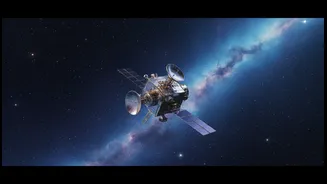
A California company named Reflect Orbital is on the verge of testing a technology straight out of science fiction. On July 9, 2026, the US Federal Communications Commission (FCC) granted the company a license to launch its first demonstration satellite,
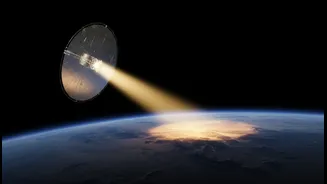
Eärendil-1. The mission's goal is to prove that a satellite equipped with a large, thin-film reflector can precisely redirect sunlight to a specific area on Earth after dark. The upcoming test aims to illuminate a circular patch of ground roughly five kilometres wide for several minutes. While the initial test will produce a glow comparable to a full moon, the company's long-term vision is far more ambitious. This isn't the first time such an idea has been tried; Russia conducted similar, smaller-scale experiments in the 1990s with its Znamya project, which successfully created a moving spot of light on the ground before the program was eventually abandoned.
How to Paint the Sky
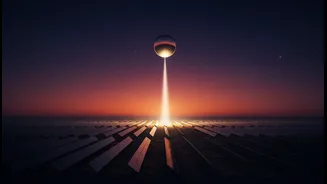
The technology, which the company calls "Sunlight-as-a-Service," relies on a constellation of satellites in low-Earth orbit. The Eärendil-1 test satellite is relatively small, but once in orbit at an altitude of about 640 kilometres, it will unfurl a high-tech mirror made of reflective plastic film. This origami-like deployable mirror will expand to about 18 by 18 metres—roughly 60 feet across. By precisely angling this mirror, the satellite can catch sunlight that would otherwise pass by the Earth and reflect it down to a designated target on the night side of the planet. To provide continuous light to one area, a series of satellites would hand off the beam from one to the next as they orbit. The company’s long-term plan involves a constellation of over 50,000 satellites by 2035, capable of delivering varying brightness levels, from a gentle moonlight to the intensity of a bright indoor workspace.
The Promise of Perpetual Daylight
The potential applications are vast and could have significant implications for India. Reflect Orbital suggests its technology could boost the output of solar farms by allowing them to generate power during twilight hours, reducing reliance on fossil fuels. For a country rapidly expanding its solar infrastructure, this could be a game-changer. The company has also highlighted its use for disaster relief, providing critical light for search-and-rescue operations in areas struck by cyclones or earthquakes where power grids are down. Other proposed uses include enabling 24-hour construction on major infrastructure projects, extending growing seasons for agriculture in certain regions, and even reducing seasonal depression in areas with long winters. The firm says it has already received over 260,000 inquiries from potential customers worldwide.
Chasing Away the Night
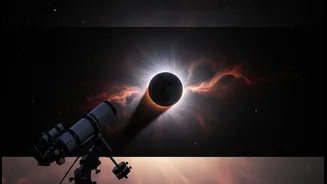
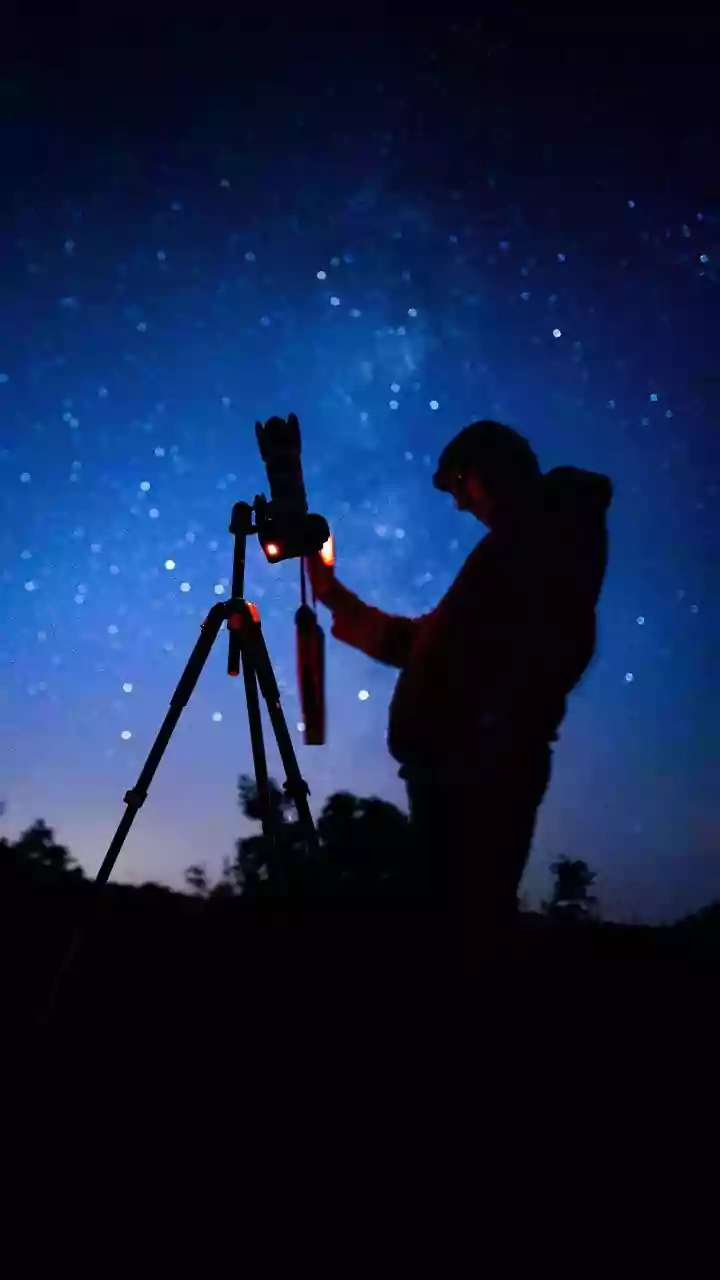
Despite the potential benefits, the project has sparked intense criticism, particularly from astronomers and environmentalists. The primary concern is light pollution. Scientists from leading observatories warn that a large constellation of bright, moving satellites would fundamentally alter the night sky, making ground-based astronomy nearly impossible. The American Astronomical Society has voiced concerns about the reflections causing 'flash blinding' for pilots and drivers, and even potential eye damage for amateur astronomers using telescopes. Beyond astronomy, there are serious ecological concerns. Erasing the natural cycle of day and night could disrupt the circadian rhythms of both humans and wildlife, affecting everything from bird migration to the behaviour of nocturnal animals. Critics argue that the company is creating a new, unprecedented form of environmental intervention.