


Why Your Home Needs Texture
In the world of interior design, texture is the secret ingredient that adds depth, warmth, and character to a space. While colour and layout are crucial, they primarily appeal to our sense of sight. Texture, on the other hand, engages our sense of touch—even
from across the room. A nubby wool blanket invites you to curl up, a smooth marble countertop feels cool and clean, and a rough-hewn wooden table feels grounded and rustic. This tactile quality is what makes a house feel like a home. Without it, even the most beautifully arranged minimalist spaces can feel cold, flat, and impersonal. Introducing varied surfaces creates visual weight and interest, breaking up the monotony and making each corner of a room more engaging.
Start Small with Textiles
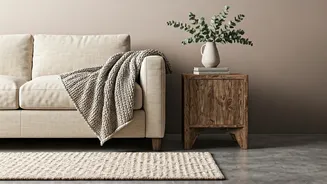
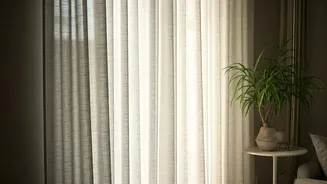
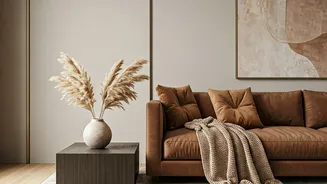
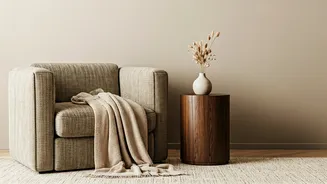
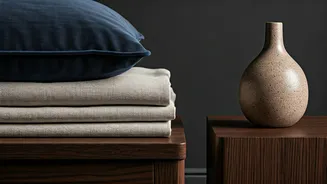
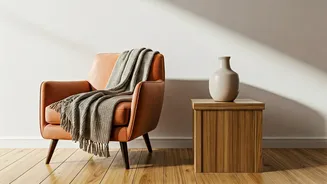
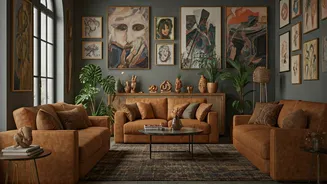
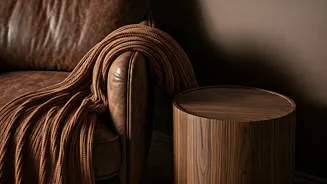
The easiest and most affordable way to begin layering textures is with textiles. Think of them as the building blocks of a cosy room. Look at your sofa. Is it covered in a single, plain fabric? Instantly add dimension with a mix of cushions. Combine a plush velvet cushion with a woven linen one and a chunky knit throw blanket draped over the arm. This simple act introduces three distinct textures that invite interaction. The same principle applies to your floors and windows. A high-pile or jute rug adds a foundation of texture underfoot, while flowing linen curtains soften the hard lines of a window frame, catching the light in a way that flat blinds cannot. Don't be afraid to mix and match; the contrast between soft and coarse, or smooth and rough, is what creates a rich, sophisticated look.
Incorporate Natural and Raw Materials
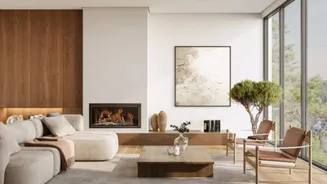
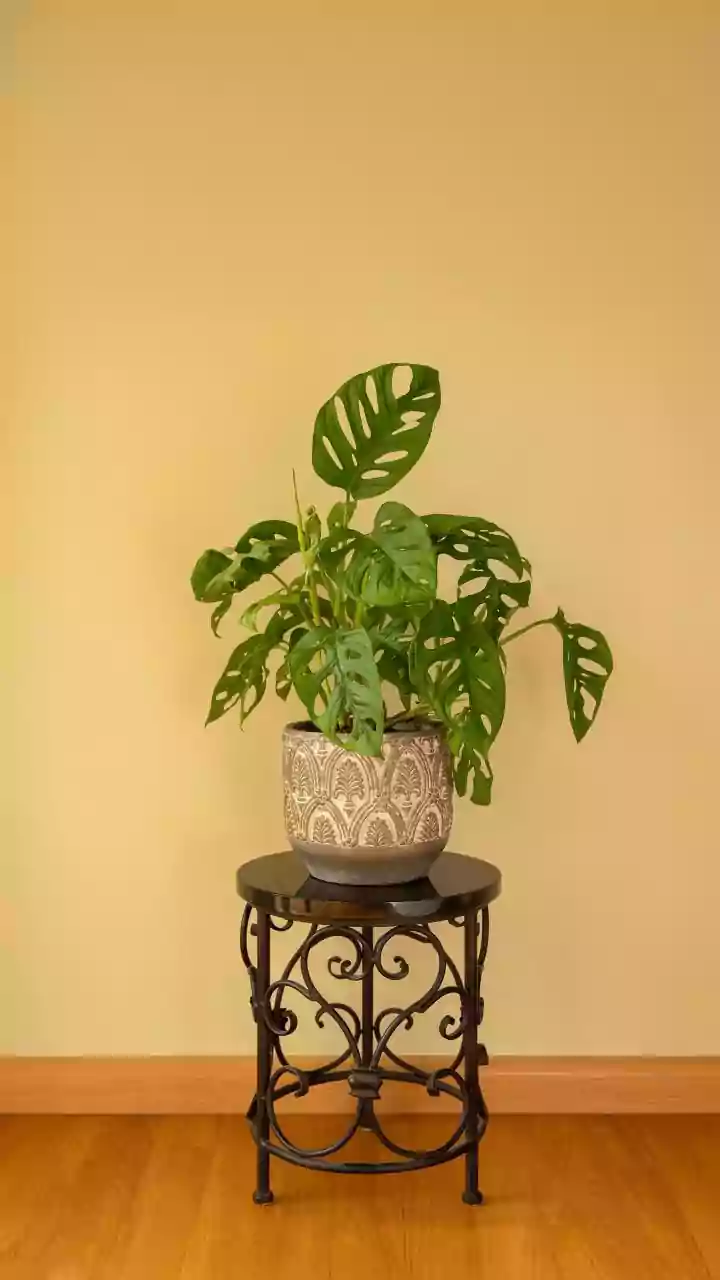
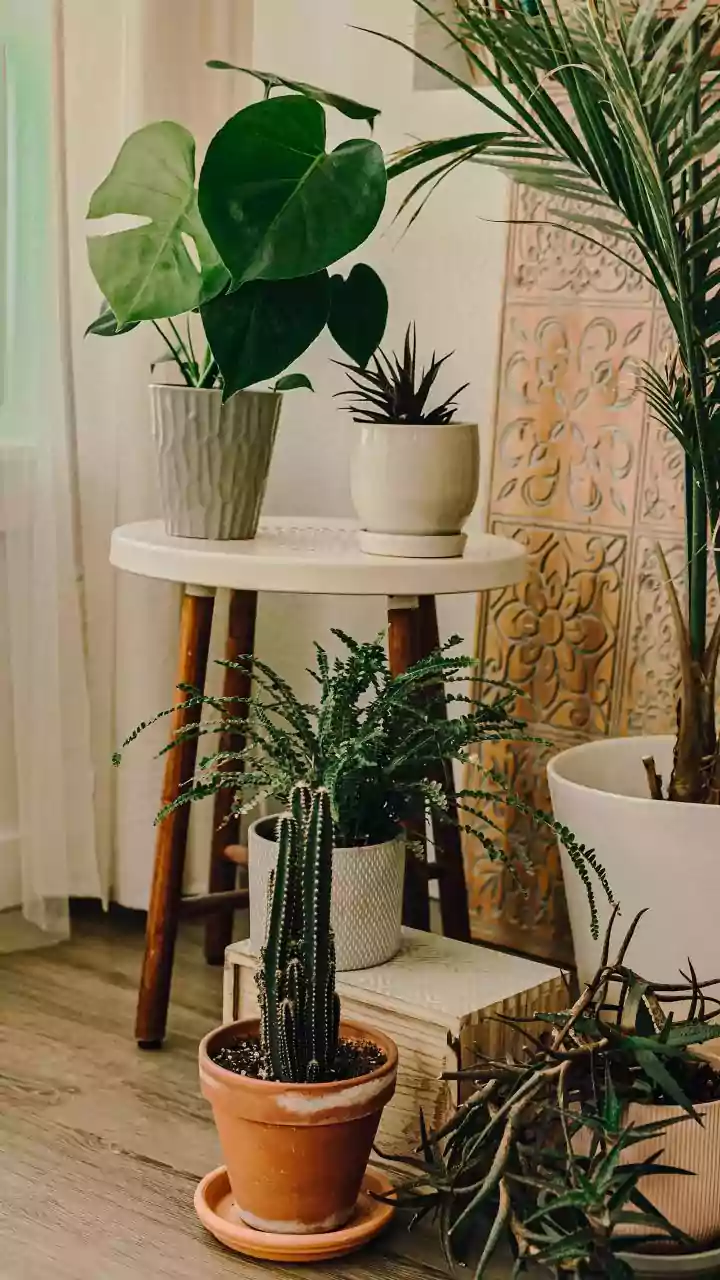
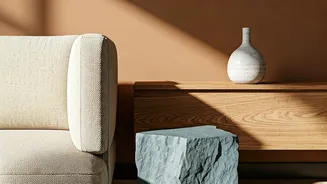
To truly banish the sterile feel, bring the outside in with natural materials. These elements provide an organic, imperfect texture that manufactured items often lack. A live-edge wood coffee table, with its unique grain and rugged edges, serves as a stunning focal point. Wicker, rattan, or seagrass baskets are perfect for storage while adding a dose of coastal or bohemian charm. Even small touches make a difference. Consider a stone vase for your flowers, a marble tray on your ottoman, or a collection of terracotta pots for your indoor plants. These materials connect our living spaces to the natural world, creating a calming and grounding atmosphere that feels authentic and timeless. Their inherent imperfections are part of their beauty, reminding us that a home is a place for life, not just for display.
Look to Your Walls and Lighting
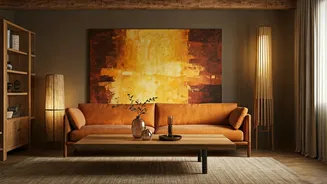
Texture shouldn't be confined to the items you place within a room—it can be part of the room itself. Walls are a vast canvas waiting for dimension. Consider using textured wallpaper, such as grasscloth or a subtle vinyl print, on an accent wall to add immediate depth. Modern paint techniques like lime washing or suede-effect paint can also create a soft, mottled texture that changes with the light throughout the day. Lighting fixtures offer another brilliant opportunity. A lampshade made of fabric, woven rattan, or frosted glass diffuses light more softly than a bare bulb or metal shade, contributing to a warmer ambient glow. The fixture itself, whether it's a beaded chandelier or a sculptural ceramic table lamp, adds another layer of tactile interest.
The Art of a Balanced Mix
The key to successfully using texture is balance. Too many similar textures can fall flat, while too many competing ones can feel chaotic. A good rule of thumb is to create a dialogue between different surfaces. Pair smooth with rough, soft with hard, and shiny with matte. For example, a sleek leather sofa is beautifully complemented by a soft, shaggy rug. A glossy lacquered cabinet stands out against a matte-painted wall. Distribute your chosen textures throughout the space to create a cohesive flow. If you have a rattan chair in one corner, echo that natural feel with a small wooden sculpture or a woven basket on the other side of the room. This creates a visual rhythm that guides the eye and makes the entire space feel thoughtfully curated and harmoniously layered.