




Hansie Cronje: The Fallen Captain
Wessel Johannes 'Hansie' Cronje was more than just the captain of South Africa; he was the inspirational leader of a team re-emerging on the world stage. His leadership and all-round skills made him a national hero. The dream turned into a nightmare in 2000
when Delhi police revealed they had recordings of Cronje liaising with a bookmaker. What began as denial unravelled into a shocking confession. Cronje admitted to accepting money from bookmakers for forecasting results and even for offers to underperform. The United Cricket Board of South Africa handed him a life ban from any involvement in the sport. The scandal was one of the biggest to ever hit the sport, shattering the illusion of cricket's purity. Cronje died in a plane crash in 2002, leaving behind a tragic and complex legacy.
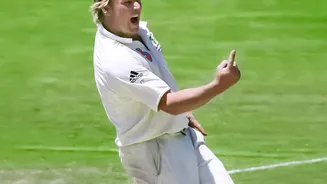
Shane Warne: The Diuretic Debacle
Perhaps the greatest leg-spinner of all time, Shane Warne’s career was as full of drama as his bowling was of spin. On the eve of the 2003 World Cup, the cricket world was stunned when Warne was sent home from South Africa. He had tested positive for a banned diuretic. Warne’s defence was that his mother had given him the fluid tablet to help him lose his double chin for television appearances. The substance, while not a performance-enhancer itself, is banned because it can be used to mask the presence of steroids. The committee found him guilty of breaching the anti-doping code and handed him a one-year ban from cricket. He missed Australia's victorious World Cup campaign but returned in 2004 to reclaim his spot and eventually become the leading Test wicket-taker for a time.
Mohammad Azharuddin: A Career Cut Short
With his magical wristy strokeplay, Mohammad Azharuddin was one of India's most elegant and successful batsmen and captains. His career, however, came to an abrupt and controversial end. Following the Cronje affair, a Central Bureau of Investigation (CBI) report in India implicated several players, with Azharuddin at the centre of the storm. The BCCI, India's cricket board, acted on the report and banned him for life in December 2000 for his alleged role in match-fixing. The ban stranded him on 99 Test matches. After a long legal battle, the Andhra Pradesh High Court in 2012 lifted the ban, terming it 'illegal' and stating there was no concrete evidence. While legally exonerated, the scandal had already ended the international career of one of India's greats.
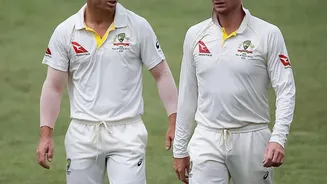
Steve Smith & David Warner: The 'Sandpapergate' Scandal
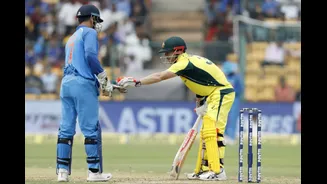
The 2018 Test series in South Africa will forever be remembered for one of the biggest controversies in modern cricket. During the third Test in Cape Town, television cameras caught Australian fielder Cameron Bancroft using a piece of sandpaper to alter the condition of the ball. The ensuing investigation revealed that captain Steve Smith and vice-captain David Warner were aware of the plan. The International Cricket Council (ICC) sanctioned Smith with a one-match ban and a fine. However, Cricket Australia, under immense public pressure, came down much harder, banning Smith and Warner from domestic and international cricket for 12 months and Bancroft for nine. The scandal led to tears, public apologies, and a deep introspection into the culture of Australian cricket.
Shakib Al Hasan: Failing to Report
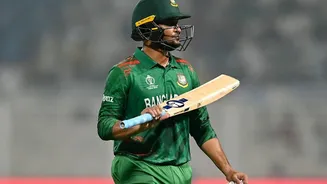
One of the world's premier all-rounders, Shakib Al Hasan of Bangladesh, received a ban for a different kind of anti-corruption breach. In 2019, the ICC banned Shakib for two years, with one year suspended, for failing to report multiple corrupt approaches made to him. The approaches occurred during a tri-series in 2018 and the Indian Premier League (IPL) that same year. Shakib's case highlighted a crucial aspect of the ICC's anti-corruption code: players are obligated to report any illicit approach. By failing to do his duty, even though he didn't engage in fixing, he broke the rules. He accepted his sanction, cooperated with the ICC, and returned to international cricket in late 2020.