
More Than Just Saving Space
For years, the promise of space-saving furniture was simple: fitting more into less. Think of the classic, clunky sofa bed or the folding card table. But today's multi-functional furniture is driven by a far more ambitious idea. It is not about cramming
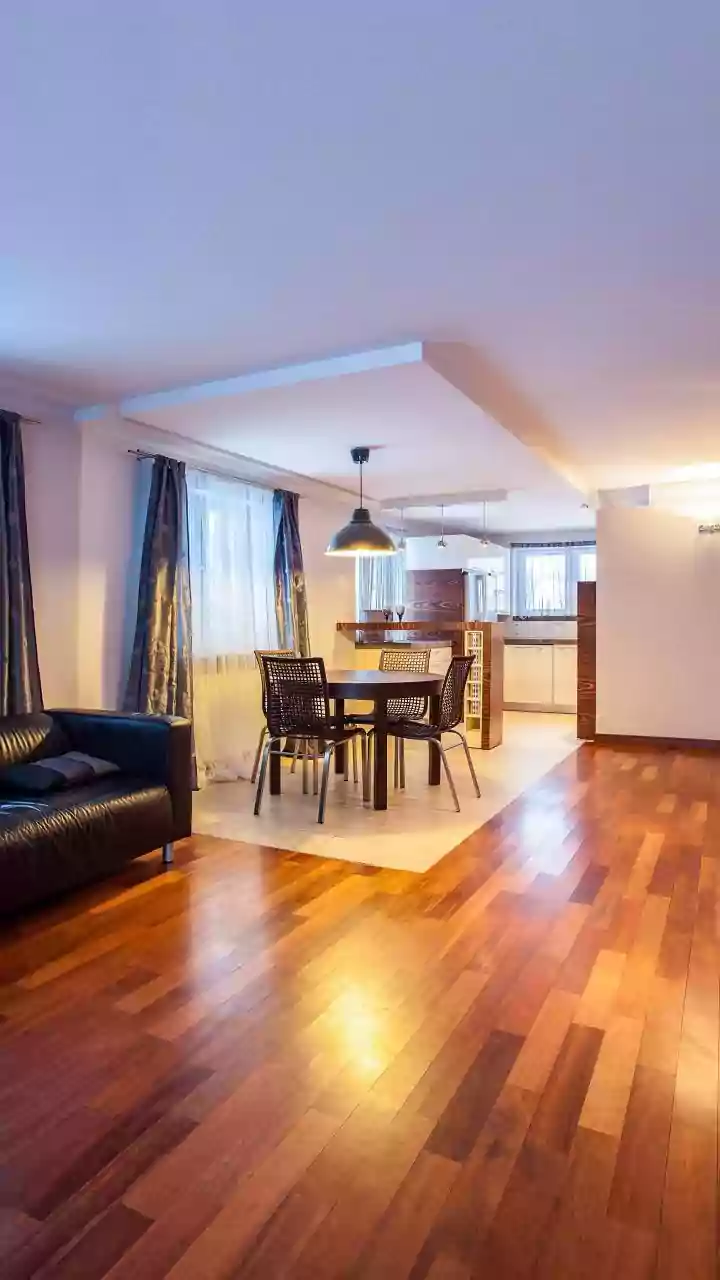
your life into a small box; it is about making that box feel limitless. The new philosophy centres on adaptability and fluidity. Instead of rooms with fixed purposes, modern design focuses on creating zones that can change based on the time of day or the task at hand. This approach turns a static floor plan into a dynamic living environment.
The Rise of the Transformer Home
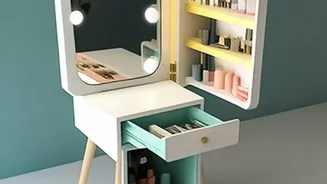
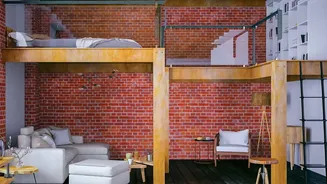
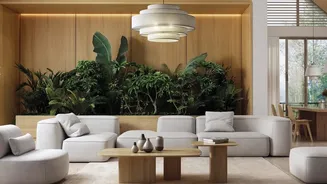
The stars of this revolution are pieces that cleverly transform. A sleek wall unit might contain a fold-down bed that reveals a workspace when stored away. A stylish coffee table can lift and expand to become a dining table for six. Modular sofas can be reconfigured from a large L-shape for movie nights into separate seating for guests. These are not just individual clever items; they are components of a larger system. They allow a single room to serve as a living area, home office, guest room, and dining space without feeling cluttered or compromised. This versatility has become essential as remote work and flexible lifestyles blur the lines between home, office, and leisure.
A New Aesthetic for Urban Living
Crucially, this trend is as much about style as it is about function. Unlike their purely utilitarian predecessors, contemporary multi-use pieces are designed with a clean, minimalist aesthetic. Designers are creating furniture that looks elegant and intentional in all its forms. The mechanisms are often hidden, the lines are sharp, and the materials are high-quality. This allows homeowners to maintain a sophisticated, uncluttered look, which is psychologically beneficial in smaller spaces. An open, organised environment can reduce cognitive strain and create a sense of calm, making a compact home feel more expansive and restorative.
A Lifestyle of Fluidity and Freedom
Ultimately, the adoption of multi-use furniture reflects a deeper shift in how we want to live. It empowers a lifestyle of flexibility, where your home adapts to you, not the other way around. This is particularly resonant in India's bustling urban centres, where young professionals and families need their homes to be as dynamic as their lives. It's a move away from the formality of having a 'drawing room' or a 'guest room' that sits unused most of the time. Instead, every square foot is activated, functional, and ready to serve multiple roles. This adaptability gives residents a powerful sense of control over their environment, which fosters a stronger emotional connection to their home.
Sustainability Through Smarter Consumption
There's also a powerful sustainability angle to this trend. By investing in one piece of furniture that performs three different functions, consumers reduce the need to buy multiple separate items. This philosophy champions buying fewer, better things that last. Modular designs, in particular, promote longevity; you can add, subtract, or reconfigure elements as your life changes, rather than discarding an entire piece of furniture. This approach aligns with a growing consumer desire for more mindful and environmentally conscious purchasing decisions, moving away from 'fast furniture' towards pieces with lasting value and versatility.