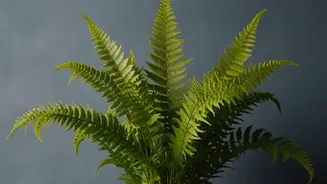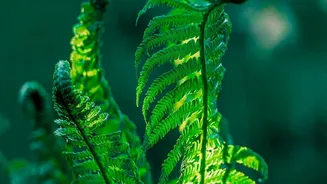





The lush, feathery fronds of Boston and Maidenhair ferns bring a unique elegance to any home, but keeping them vibrant can feel like a challenge. The secret often lies not in complex care, but in one simple, crucial element: consistent moisture.
Why Ferns Are Always Thirsty
Boston
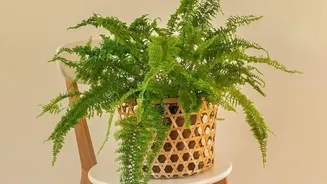
ferns (Nephrolepis exaltata) and Maidenhair ferns (Adiantum) originally come from humid, tropical, and subtropical forests. They grow on the forest floor, under a dense canopy of trees, where the soil is consistently damp and the air is heavy with moisture. Unlike other houseplants that have developed mechanisms to store water and tolerate dry spells, these ferns have delicate root systems and thin leaves that lose moisture quickly. When you bring one into your home, especially in drier Indian climates, you are asking it to adapt to an environment very different from its native one. The key to success is to replicate those damp, humid conditions as closely as possible.
The Art of Watering a Boston Fern
The golden rule for a Boston fern is to keep the soil consistently moist but never soggy. Letting the soil dry out completely, even once, can cause the fronds to become pale, shed leaflets, and look generally unhappy. A good practice is to check the soil every few days by touching it. If the top inch feels slightly dry, it's time to water. Water the plant thoroughly until it runs out of the drainage holes, then allow it to drain completely. Never let the pot sit in a saucer of water, as this can lead to root rot, which ironically causes symptoms like wilting that can be mistaken for a lack of water. In hotter months, you may need to water every 3-5 days, while in winter, you can reduce this to every 7-10 days.
Taming the Temperamental Maidenhair
If the Boston fern is particular, the Maidenhair fern is a true diva. It is famously intolerant of drying out. Its delicate, fine roots cannot recover from a period of drought, which often leads to the dreaded crispy, brown fronds. For a Maidenhair, you must water as soon as the very top of the soil begins to feel dry. Some experts recommend checking it daily, especially in warm, dry weather. Because of their need for constant moisture, plastic or glazed ceramic pots are often better choices than terracotta, which wicks moisture away from the soil. Using filtered or RO water can also be beneficial, as these ferns can be sensitive to the salts found in tap water.
Beyond the Watering Can: The Humidity Factor
For these ferns, moisture in the air is just as important as moisture in the soil. Low humidity is often the true culprit behind brown, crispy leaf tips. Homes in many parts of India, especially regions with dry winters or heavy air-conditioning use, can have humidity levels far below the 60% or higher these ferns prefer. Simply watering the soil more won't fix problems caused by dry air. You need to create a more humid microclimate around the plant itself.
Simple Ways to Boost Humidity
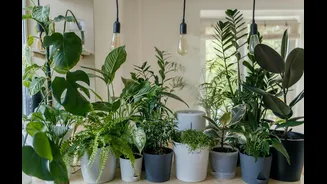
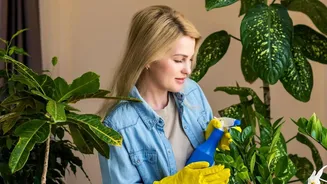
Creating a humid environment doesn't have to be complicated. Placing the pot on a tray filled with pebbles and water is a classic method; as the water evaporates, it raises the humidity around the plant. Just ensure the bottom of the pot isn't sitting in the water. Grouping your fern with other plants also helps, as they release moisture through transpiration, collectively raising the ambient humidity. Regular misting with a fine spray bottle can provide a temporary boost, but for a more permanent solution in a very dry room, a small room humidifier is the most effective tool. A well-ventilated bathroom with bright, indirect light can also be an ideal location.
Reading the Signs: What Your Fern Is Telling You
Your fern will give you clues about its health. Crispy, brown tips on the fronds almost always signal low humidity or underwatering. Yellowing leaves, especially at the base of the plant, can be a sign of overwatering and potential root rot. If the fronds look pale or greyish and growth has stalled, the plant may not be getting enough water. It’s also important to provide bright, indirect light, as direct sun will scorch their delicate fronds, while deep shade will lead to sparse, weak growth.