



A High-Volume Creek Boat
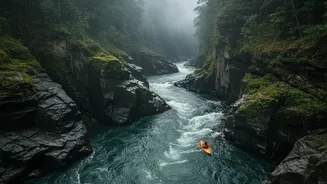
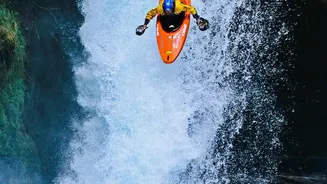
This is not the place for your recreational touring kayak. Meghalaya's rivers are powerful and technical, demanding a boat designed for the job. You'll need a modern creek boat or a high-volume river runner. These kayaks are characterized by significant
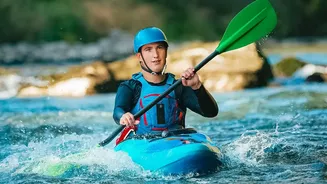
rocker (the upward curve of the bow and stern), which helps in punching through large waves and navigating steep drops. Their rounded hulls provide stability in turbulent water and allow for quick, responsive edge-to-edge transitions. Look for a boat with ample volume, as this helps it resurface quickly after a plunge. Durability is also key, as the canyons can be rocky and unforgiving.
A Whitewater-Specific PFD
Your personal flotation device (PFD) is your most important piece of safety equipment. A standard recreational life vest is inadequate. You need a whitewater-specific PFD with high buoyancy, a secure fit, and features designed for rescue situations. Look for a 'Type V' rescue PFD, which typically includes a quick-release harness system. This allows a rescuer to attach a rope to you, and it provides a mechanism for you to detach quickly if the rope becomes snagged. Other essential features include large pockets for carrying safety gear like a knife and a whistle, and a 'bail-out' or 'tow tether' attachment point.
The Right Helmet and Paddle
Protecting your head is non-negotiable. A whitewater-specific helmet is designed to withstand multiple impacts and provide extensive coverage for the front, back, and sides of your head. It should fit snugly without obstructing your vision or hearing. Your paddle is your engine. For powerful, high-volume rivers, a strong and durable paddle is a must. Carbon or fiberglass blades offer a good blend of strength and light weight, reducing fatigue on long expeditions. The length and blade shape depend on personal preference, but a robust construction that can handle bracing against rocks is essential.
Essential Safety and Rescue Kit
When you're deep in a remote canyon, you are your own rescue team. Every kayaker should carry a personal safety kit accessible in their PFD. This must include a sharp river knife, a loud pea-less whistle, and at least one locking carabiner. Additionally, your group needs a comprehensive rescue kit stored in dry bags. This should contain throw ropes, webbing for anchors, multiple carabiners, and pulleys for creating mechanical advantage systems. A well-stocked first-aid kit designed for wilderness environments is also critical, as is an emergency communication device like a satellite beacon, since mobile service is often non-existent.
Appropriate Apparel for Cold Water
Even in a tropical region like Meghalaya, the water in deep, shaded canyons can be surprisingly cold, posing a risk of hypothermia. Your clothing is your first line of defense. A drysuit is the gold standard for cold water kayaking. It keeps you completely dry by using latex gaskets at the neck and wrists. Underneath, you can wear insulating layers of fleece or wool. If a drysuit is not an option, a thick wetsuit (5mm or more) is the next best thing. This traps a thin layer of water against your skin, which your body then heats. Neoprene socks and gloves are also highly recommended to keep your extremities warm and functional.
Sturdy River Footwear
You won't be in your kayak the entire time. Portaging, scouting, and potential rescues all involve navigating slippery, uneven, and sharp terrain. Proper footwear is crucial for protecting your feet and providing traction. Look for sturdy, closed-toe river shoes or boots with high-traction rubber soles. They should provide good ankle support and drain water efficiently so they don't become waterlogged and heavy. A snug fit is important to prevent them from being pulled off in strong currents. Never wear open-toed sandals or flimsy water shoes.