




More Than Just a Day at the Beach
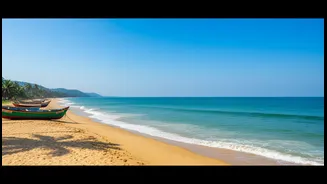
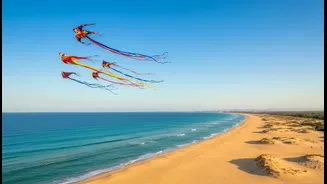
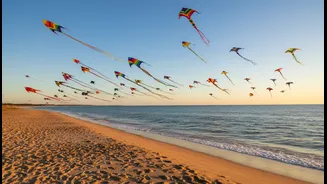
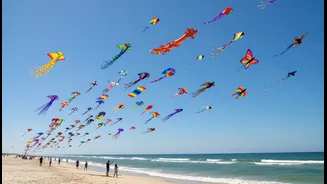
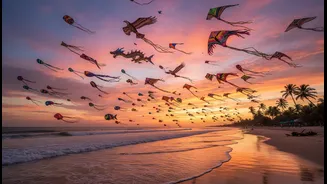
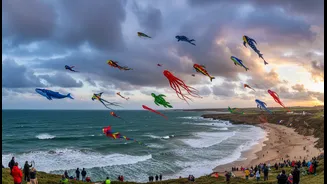
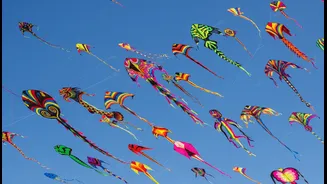
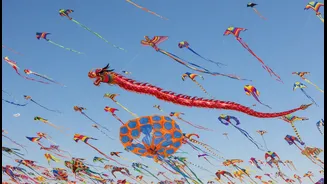
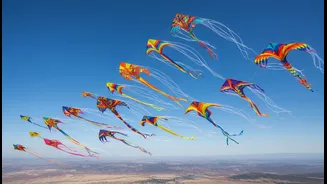
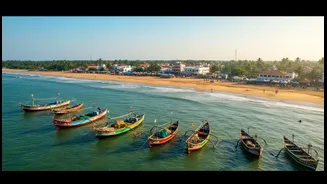
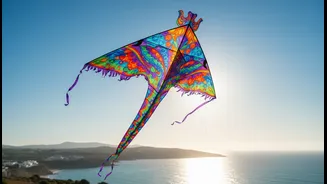
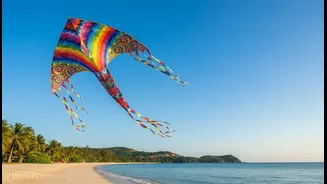
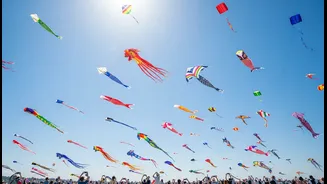
Imagine the scene along the East Coast Road: the sky over Mahabalipuram dotted with giant, colourful kites from around the world, while just down the coast at Kovalam (Covelong), surfers carve through the Bay of Bengal’s waves. These are the sights and
sounds of Tamil Nadu’s anchor coastal events, which have become a fixture of the August long weekend. Festivals like the Tamil Nadu International Kite Festival and the renowned Covelong Classic surf competition are multi-day extravaganzas that blend sport, music, food, and culture. They attract not just professional athletes and artists, but thousands of families, young people, and tourists looking for a unique experience. These are not passive sightseeing opportunities; they are immersive events where attendees can participate in workshops, enjoy live music, and soak in a vibrant, modern coastal culture. In doing so, they transform familiar stretches of sand into dynamic international destinations.
The Immediate Economic Ripple Effect
When a major festival comes to town, it brings an immediate and tangible economic boost. For the small towns and villages along the coast, a long-weekend event is a critical injection of revenue. Hotels and homestays report full occupancy, local restaurants and cafes are packed, and transport providers see a surge in business. Beyond the formal economy, local artisans and food vendors get a direct-to-consumer platform, selling their goods to a diverse crowd. Organizers hire local staff for everything from security to setup, creating temporary but valuable employment. This hyper-localised economic activity is precisely what tourism officials hope for—a model where the financial benefits of tourism are felt directly by the host community, turning a weekend of fun into a meaningful source of income for many.
A Strategic Shift in State Tourism
These festivals are not happy accidents; they are a core part of a deliberate strategy outlined in Tamil Nadu’s recent tourism policies. The state government is actively working to diversify its tourism offerings beyond the traditional temple and heritage trail. The goal is to position Tamil Nadu as a leading destination for experiential and adventure travel. Policies now specifically encourage the development of infrastructure for activities like surfing, kayaking, and other water sports in coastal areas. By officially partnering with and promoting events like the kite and surf festivals, the Tamil Nadu Tourism Development Corporation (TTDC) is sending a clear message: the state is ready to compete for the modern tourist who seeks active, engaging, and memorable experiences. These events serve as powerful marketing tools, showcasing the state's capacity to host world-class recreational activities.
Building a New Coastal Identity
For decades, Tamil Nadu's global identity has been anchored in its magnificent temples and rich cultural history. While this remains a vital part of its appeal, coastal event tourism is adding a new, complementary layer to the state's brand. It showcases a different side of Tamil Nadu—one that is youthful, adventurous, and in tune with global trends. It helps put places like Kovalam, Mahabalipuram, and Rameswaram on the international map for adventure sports enthusiasts. This rebranding is crucial for attracting a younger demographic and extending the length of tourist stays. Instead of a quick pilgrimage, a visitor might now plan a longer trip that combines heritage tours with a few days of surfing lessons or attending a music festival on the beach. This diversification creates a more resilient and year-round tourism economy.