








The Great Escape Mentality
The long weekend is no longer just a brief pause; it's an event. For a growing number of young Indians, typically between the ages of 22 and 35, the three- or four-day break has become the new annual vacation. Travel platforms have noted a significant
surge in bookings and searches—often seeing a 30-40% spike—in the weeks leading up to long weekends. This isn't a random occurrence; it's a fundamental shift in how a generation views work, leisure, and life itself. The focus has moved from accumulating material goods to collecting experiences, and a quick trip offers the instant gratification that a long-term savings plan cannot.
What's Fuelling the Wanderlust?
Several factors are converging to power this trend. Firstly, the post-pandemic 'revenge travel' sentiment has evolved into a sustained habit. Having been confined, many now refuse to take their freedom for granted. Secondly, the normalisation of remote and hybrid work models has untethered many from their office desks. The rise of 'bleisure'—blending business with leisure—means a long weekend can easily be extended by working from a scenic cafe in the mountains or a shack by the sea. Finally, there's the undeniable influence of social media. A constant stream of stunning travel content on Instagram and YouTube has transformed distant destinations into accessible goals, creating a powerful desire to see, do, and share.
Top Spots for a Quick Break
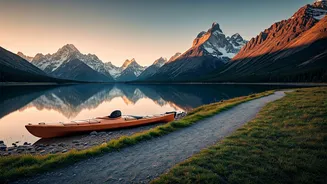
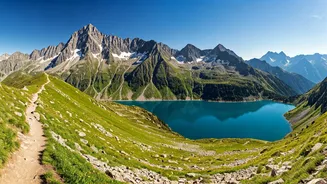
So, where is everyone going? The destinations are often dictated by proximity and vibe. For those in North India, the Himalayas are a perennial draw. Quick escapes to places like Rishikesh, Mussoorie, and Manali are incredibly popular for their blend of adventure and serenity. In the West, Goa remains the undisputed king of the short break, but nearby destinations like Lonavala, Alibaug, and even the quieter beaches of Gokarna in Karnataka are gaining traction. Down South, the colonial charm of Pondicherry, the lush coffee plantations of Coorg, and the tranquil backwaters of Kerala are top choices. The goal is maximum experience with minimum travel time.
The Economics of Experience
This trend isn't just for the wealthy. Young travellers have become masters of budget-conscious planning. They leverage aggregator websites for the best deals on flights and hotels, often booking weeks or even months in advance. The rise of boutique hostels, homestays, and Airbnb has provided affordable and authentic alternatives to traditional hotels. Group travel is another popular strategy, allowing friends to split the costs of transport and accommodation. Furthermore, the availability of flexible payment options and travel-focused credit schemes makes these trips feel more financially manageable, even for those at the beginning of their careers.