





The Temperature 'Danger Zone'
The most important concept in summer food safety is the 'danger zone'. According to the Food Safety and Standards Authority of India (FSSAI), this is the temperature range between 5°C and 60°C, where bacteria can double in number every 20 minutes. In hot
weather, especially when temperatures soar above 35°C, perishable food should not be left at room temperature for more than one hour. This rule is crucial for preventing common foodborne illnesses caused by pathogens like Salmonella, E. coli, and Staphylococcus, which thrive in these conditions. Keeping your refrigerator at or below 4°C is one of the most effective ways to stay out of this danger zone.
Cooked Rice and Leftovers
A staple in almost every Indian household, cooked rice can become a surprising hazard if left out. It can host a bacterium called Bacillus cereus, which produces toxins that are not destroyed by reheating. At a room temperature of 30°C, these toxins can develop in just eight hours. The same applies to other leftovers like curries, dals, and sabzis. The high moisture and nutrient content make them perfect breeding grounds for bacteria. The best practice is to cool leftovers quickly—by dividing them into smaller, shallow containers—and refrigerate them within two hours of cooking.
Dairy, Paneer, and Dahi
Milk, paneer, dahi (yoghurt), and cream-based sweets are highly perishable and spoil very quickly in the summer heat. Bacteria in these products multiply rapidly, leading to souring and potential illness. FSSAI recommends keeping your refrigerator below 5°C to slow bacterial growth in dairy. It’s also wise to store these items at the back of the fridge where the temperature is coldest and most stable, rather than in the door, which experiences frequent temperature fluctuations. When buying dairy, always check the expiry date and ensure it has been properly refrigerated at the store.
Raw Meat, Poultry, and Seafood
Raw meats, poultry, and fish are classic high-risk foods. They can carry harmful bacteria like Salmonella and Campylobacter. The key to safety is preventing cross-contamination and maintaining proper temperature. FSSAI guidelines stress the importance of storing raw meat on the bottom shelf of the refrigerator in a sealed container to prevent its juices from dripping onto and contaminating other foods. Never thaw frozen meat on the counter; instead, thaw it in the refrigerator, under cold running water, or in the microwave. Always cook meat, poultry, and seafood to the recommended internal temperature to kill any harmful bacteria.
Cut Fruits and Salads
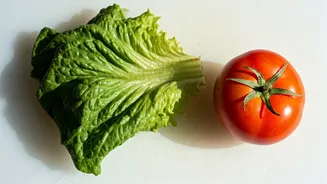
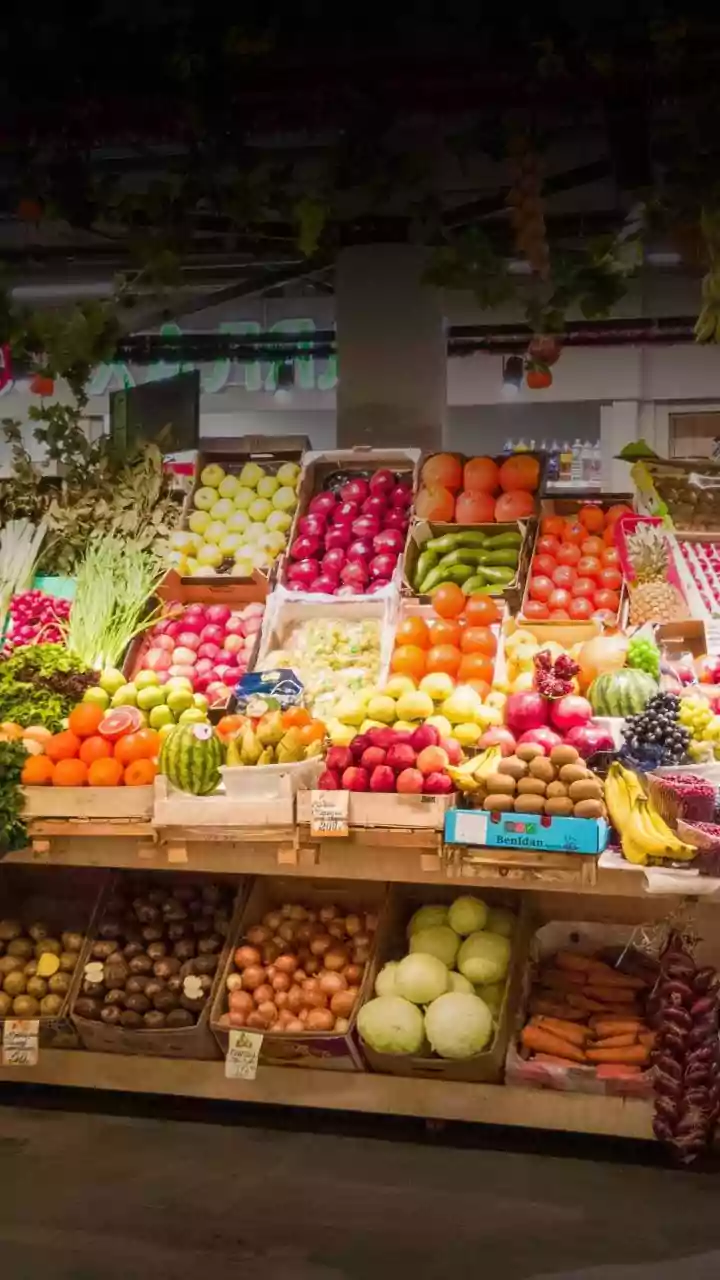
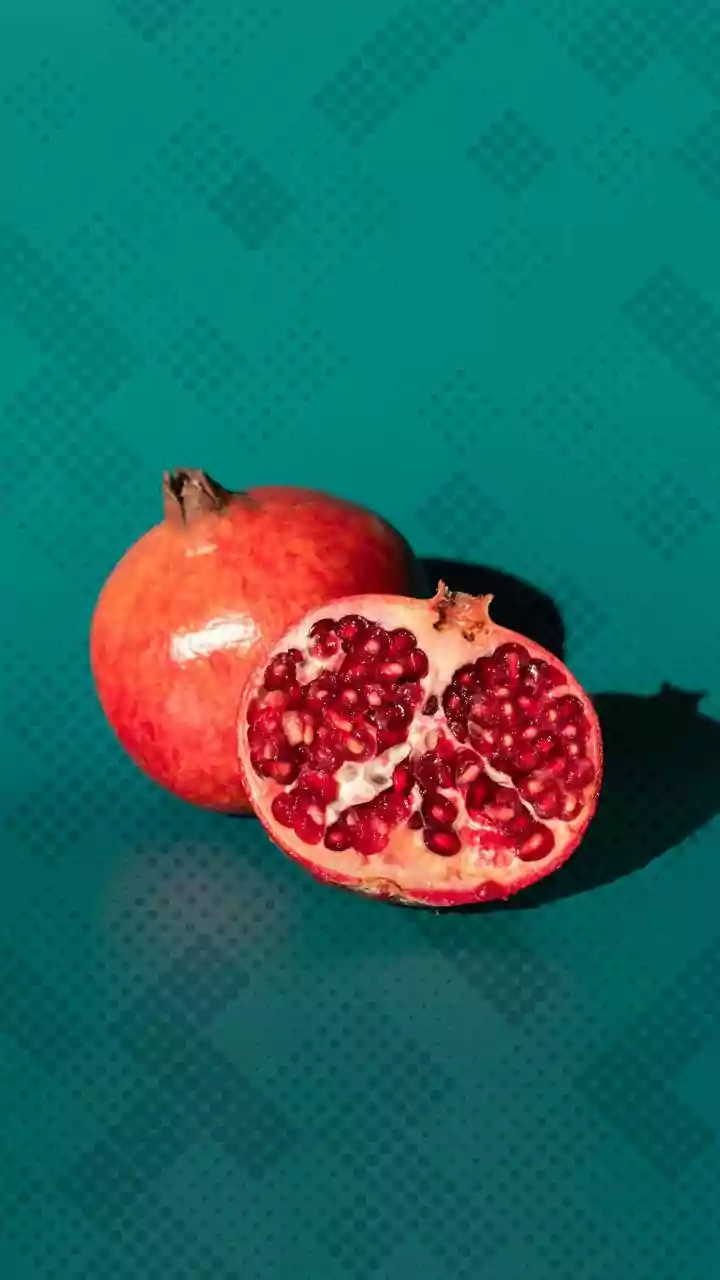
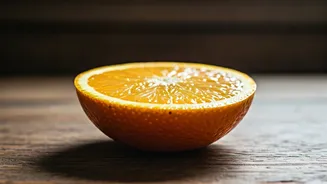
While incredibly refreshing, cut fruits and raw vegetable salads are susceptible to contamination. Once the protective skin or rind is broken, the exposed flesh becomes a welcoming place for bacteria, especially in warm weather. Fruits like watermelon are particularly quick to spoil. To stay safe, wash all produce thoroughly under running water before cutting. Refrigerate cut fruits and salads immediately if not consuming them right away. Avoid buying pre-cut fruits from vendors unless you are certain they have been handled hygienically and kept chilled.
Sauces, Chutneys, and Gravies
Many believe that the high salt or sugar content in sauces and chutneys preserves them, but this isn't always true, especially after a container is opened. The high moisture content in gravies and items like coconut chutney makes them spoil very quickly during summer. Even store-bought sauces like soy sauce or oyster sauce should be refrigerated after opening to prevent the growth of mold and bacteria. Always use a clean spoon to serve from a jar to avoid introducing new contaminants.