








The Rise of the ‘Bleisure’ Trip
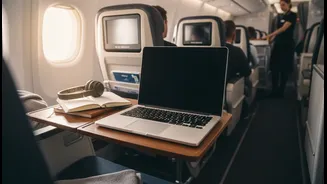
The trend of blending business travel with leisure, often called 'bleisure' or a 'workcation', has become increasingly popular. The logic is simple and appealing: since your company is already covering the cost of getting you to a destination, why not
extend your stay and explore? This approach offers clear benefits, including significant cost savings on personal travel, a better work-life balance, and the chance for cultural immersion. For many, it’s an opportunity to recharge after a demanding work assignment, turning a potentially stressful trip into a more rewarding experience. Studies have shown that employees often feel more satisfied and productive when they can add some personal time to their work travel. It’s a perk that signals an employer's trust and commitment to employee well-being, boosting morale and job satisfaction.
Where Good Intentions Go Wrong
Despite its appeal, the reality of a leisure extension often falls short of the restful ideal. The primary challenge is the blurring of boundaries between professional and personal life. It can be incredibly difficult to mentally 'switch off' from work mode, especially if you’ve just wrapped up intense meetings or projects. This is a key aspect of what psychologists call the effort-recovery model; sustained work depletes mental resources, and recovery requires a genuine break from those demands. Many professionals find themselves checking emails, taking calls, or simply thinking about work during their supposed downtime, which negates the restorative benefits. This inability to disconnect is a major reason why many return from vacations feeling like they need another one. Without a clear separation, the leisure portion becomes just a continuation of the work week in a new location, leading to fatigue rather than rejuvenation.
The Science of Genuine Rest
True recovery is more than just the absence of work; it's an active process. Chronic stress keeps hormones like cortisol elevated, leading to burnout, anxiety, and sleep issues. A proper break interrupts this cycle. Research shows that it can take time for the benefits of a vacation to be fully felt, as the mind needs to wind down from a stressful period. One study noted it could take up to eight days to fully acclimatize and feel rested. This process involves psychological detachment—mentally disengaging from work-related thoughts. Activities that promote mindfulness, like walking in nature, exploring a new place without a strict itinerary, or even just deep breathing, help activate the brain's 'default mode network'. This network is linked to creativity and problem-solving, which is why our best ideas often surface when we are relaxed and not actively trying to work. Rest isn't lazy; it's a neurological necessity for a healthy, functioning mind.
How to Plan for Real Recovery
To ensure your leisure extension is actually restful, you need to be intentional with your schedule. First, create a hard stop. Communicate clearly with your team about when your leisure time begins and set a firm out-of-office message. Resist the urge to 'just check in'. Second, schedule nothing for the first few hours or even the first full day of your extension. This buffer period allows your mind to transition from work mode to rest mode. If possible, physically change your environment. Moving to a different hotel or even just a different room can create a psychological boundary between the work and leisure portions of your trip. Finally, focus on low-effort, high-reward activities. Instead of a packed sightseeing schedule, opt for a leisurely walk, a long meal at a local restaurant, or simply reading a book by a window with a view. The goal is to reduce decision fatigue and sensory overload, not add to it.