






The Golden Rule: Guard Your UPI PIN
Your UPI PIN is the key to your bank account. It should never be shared with anyone—not a friend, not a family member, and certainly not someone claiming to be from your bank, the police, or a government agency. Remember, a PIN is only required to send
money from your account, never to receive it. Scammers often create a sense of urgency or pretend to be helping you to trick you into revealing this critical piece of information. Legitimate organizations will never ask for your PIN over a call, SMS, or email.
Beware of Malicious 'Collect' Requests
One of the most common scams involves the 'Collect' or 'Request Money' feature. Fraudsters send a payment request and trick you into approving it, often under the guise of sending you money for a prize, refund, or sale. Approving the request and entering your PIN actually sends money from your account to theirs. Always read the on-screen message carefully before authorising any transaction. If it says 'Pay', entering your PIN will debit your account. Decline any unexpected or suspicious payment requests immediately.
Spotting Phishing and QR Code Scams
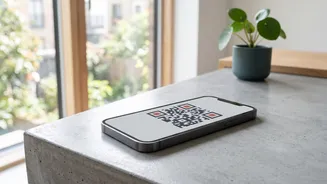
Phishing involves deceptive emails, text messages (smishing), or social media messages with links that lead to fake websites designed to steal your credentials. These messages often look official and may ask you to 'verify' your account or 'update' your details. Never click on suspicious links from unknown sources. Similarly, be wary of QR codes sent by strangers. Scammers share QR codes claiming you need to scan them to receive money, but scanning a QR code is only ever used for making a payment. If you scan a fraudulent QR code and enter your PIN, you will lose money.
Secure Your Digital Environment
Your first line of defense is your own device. Use a strong screen lock (PIN, pattern, or biometrics) on your smartphone. Only download UPI apps from official sources like the Google Play Store or Apple App Store to avoid fake, malicious applications designed to steal your data. Always keep your UPI app updated to the latest version, as updates often include critical security patches. Avoid using public or unsecured Wi-Fi networks for financial transactions, as these can be vulnerable to hackers.
Verify Before You Transact
Before completing any payment, UPI apps display the legal name of the recipient. Always double-check this name to confirm you are sending money to the right person or merchant. Scammers may use convincing display names, but the registered bank name is what matters. Don't rush transactions, even if the other party is creating a sense of urgency—this is a common tactic used by fraudsters to prevent you from verifying details. Also, never rely on screenshots as proof of payment; always confirm that the money has been credited to your account by checking your app or bank SMS alerts.
What To Do If You Get Scammed
Speed is critical if you fall victim to a UPI scam. The very first step is to call the National Cyber Crime Helpline at 1930. This line is specifically for financial cyber fraud and can help initiate a process to hold the transferred funds. Immediately after, report the fraudulent transaction to your bank and also file a formal complaint on the National Cyber Crime Reporting Portal at cybercrime.gov.in. You should also report the transaction within your UPI app and preserve all evidence, including transaction IDs and screenshots of messages from the scammer.