




Why Spiti is a Stargazer's Paradise
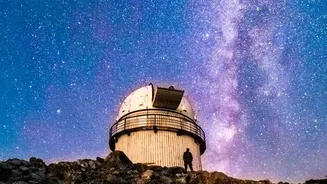
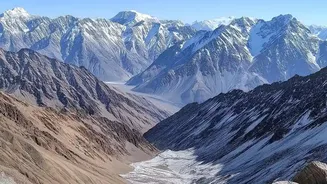
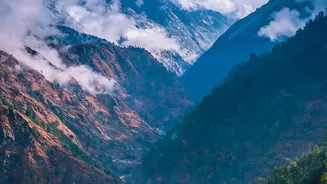
Spiti's reputation as a premier stargazing destination is no accident; it's a result of a perfect cosmic storm of conditions. Situated in the rain shadow of the Himalayas, the valley receives minimal rainfall, leading to reliably clear skies, especially
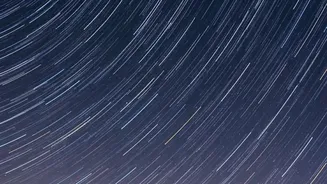
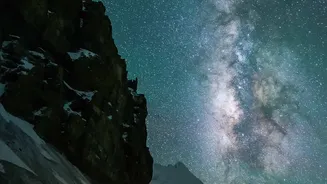
between May and October. Its average altitude of 12,500 feet or higher places you above a significant portion of the Earth's hazy atmosphere. This thin, dry air results in exceptional transparency, where stars burn with a steady, brilliant intensity. Most importantly, Spiti is profoundly dark. With no major cities for hundreds of kilometres and tiny, sparsely populated villages, it boasts Bortle Class 1 skies — the darkest possible rating. On a moonless night, the Milky Way is not just visible; it's a bright, textured river of light that can be seen with the naked eye.
Essential Astronomy Gear
While Spiti's sky is spectacular on its own, the right gear can enhance the experience. For visual astronomy, a good pair of 10x50 binoculars is an excellent, portable starting point. If you're bringing a telescope, prioritize portability. Compact models like a tabletop Dobsonian or a small refractor are easier to manage during travel. For astrophotography, a sturdy tripod is non-negotiable, as winds can be strong at high altitudes. A DSLR or mirrorless camera with manual controls paired with a wide-angle lens (f/2.8 or faster) is ideal for capturing the Milky Way. Don't forget a red-light headlamp; white light from a regular torch or phone screen will ruin your night vision, which takes up to 30 minutes to fully adapt. Finally, pack spare batteries and keep them in a warm inner pocket, as the cold can drain them twice as fast.
Dressing for the High-Desert Night
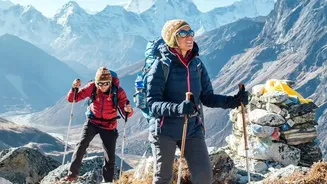
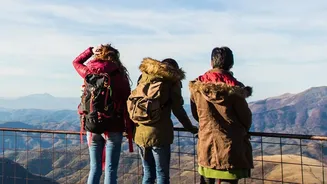
Standing still while stargazing at over 4,000 metres gets cold quickly, even in summer when night temperatures can drop below freezing. A layering strategy is the only effective way to stay warm. Start with a moisture-wicking thermal base layer. Add an insulating mid-layer, such as a fleece or a down jacket. Your outermost layer should be a windproof and waterproof shell jacket to protect against fierce winds, especially at high passes. Insulated trousers, multiple pairs of woollen socks, waterproof trekking shoes, a warm cap, and gloves are all non-negotiable items for your packing list. Protecting your body from the cold isn't just for comfort; it helps reduce the overall stress on your system as it acclimatizes.
Understanding and Preventing Altitude Sickness
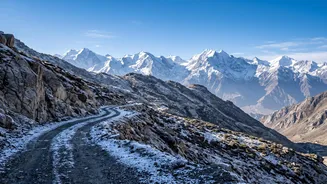
Altitude sickness, or Acute Mountain Sickness (AMS), occurs when your body doesn't get enough time to adjust to lower oxygen levels at high elevations. Symptoms can include headache, nausea, dizziness, and fatigue. The risk becomes significant above 2,500 metres, making it a major consideration for any Spiti trip, where Kaza itself sits at around 12,500 feet (approx. 3,800 metres). The key to prevention is a slow, gradual ascent. If possible, take the Shimla-Kinnaur route into Spiti, as it involves a much more gradual increase in altitude over several days compared to the faster, riskier Manali route.
Your High-Altitude Acclimatization Plan
A successful trip hinges on proper acclimatization. Once you arrive in Kaza, resist the temptation to immediately explore the highest villages. Spend the first 24-48 hours resting, taking slow walks around town, and avoiding any strenuous activity. Hydration is critical; aim to drink three to four litres of water daily. Eat carbohydrate-rich meals and avoid alcohol, as it can hinder the acclimatization process. A common principle is to 'climb high, sleep low': visit higher altitude sites like Key Monastery, Langza, or Komic during the day, but return to the lower altitude of Kaza to sleep. Many travellers also consult a doctor before their trip about preventive medication like Acetazolamide (Diamox). Planning a trip of at least 7-9 days allows your body the time it needs to adapt safely.