



The Heart of the Celebration: The Murti
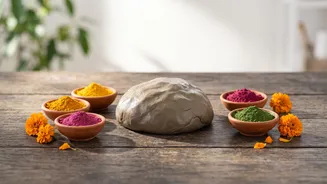
The journey begins with the most crucial element: the idol of Lord Ganesha. For many families, this is not a simple purchase but a deeply personal decision. Preparations often start as early as a month or two before the festival, with families visiting
artisan workshops to book their ideal murti. This early start is a practical necessity. Skilled artisans, known as 'murtikars,' who often pass their craft down through generations, are in high demand. Booking in advance ensures families get the idol of their choice—whether it's a traditional pose, a specific size, or one made from eco-friendly 'shadu mati' (natural clay). For the artisans, the process begins even earlier, with some starting to sculpt the idols months ahead of the festival to meet the city's immense demand.
Crafting a Divine Abode: The Makhar and Decorations
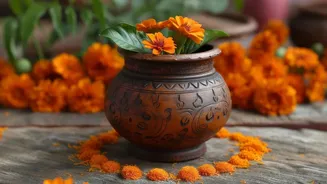
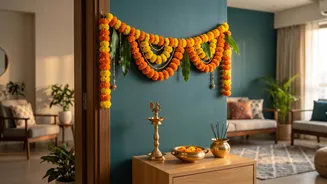
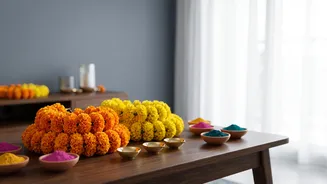
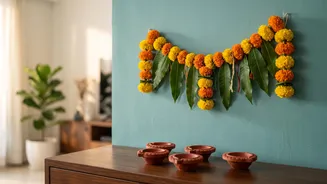
Once the idol is chosen, the focus shifts to creating a worthy throne and backdrop. The 'makhar,' or the decorated pedestal and shelter for the idol, is a significant part of the home setup. Many families plan elaborate themes that can range from replicas of famous temples to creative, modern designs. These aren't bought off-the-shelf at the last minute. Planning the theme, sourcing materials, and sometimes building the structure from scratch is a creative project that can span several weeks. Families often use flowers, colourful paper, lights, and fabric to bring their vision to life. Given that decorations need to be planned around the idol's size and the space available at home, this planning phase happens well before the festival's chaos begins.
A Taste of Tradition: The Culinary Countdown
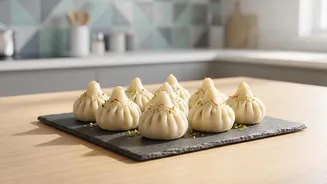
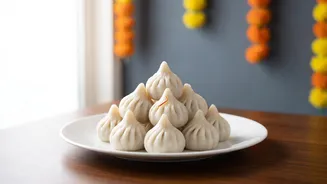
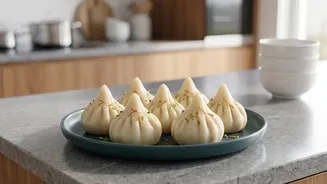
Ganesh Chaturthi is a feast for the senses, and the flavours are a huge part of the experience. The star of the festival is the 'modak,' a sweet dumpling believed to be Lord Ganesha's favourite. While these are typically steamed fresh daily, the preparation for other festive foods starts early. This includes making large batches of dry snacks and sweets like 'karanji' and 'ladoos,' which have a longer shelf life. More importantly, the planning for the daily 'naivedya' (food offering) begins weeks ahead. This involves sourcing special ingredients, finalising menus for each day of the festival, and coordinating with family members who will contribute to the cooking. All food prepared for the deity during the festival is 'satvik,' meaning it is made without onion or garlic, which requires careful planning.
Beyond the Home: Community and Clothing
While individual homes buzz with activity, the larger community preparations for 'sarvajanik' (public) Ganeshotsav also contribute to the early start. The planning for massive pandals, like the famous Lalbaugcha Raja, begins months in advance with fundraising, securing permissions, and intricate theme execution. This city-wide festive atmosphere inspires and influences household preparations. On a more personal level, families also plan their festive attire early on. Deciding on traditional outfits for ten days, especially for daily aartis and visiting relatives, means trips to the market or tailor happen weeks, if not months, before the festival to avoid the last-minute rush.