

The River Island Heart of Assam
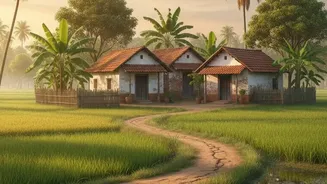
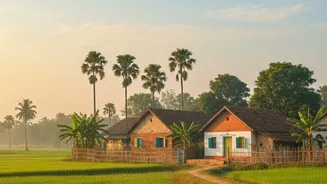
The 'island' in question is Majuli, the world’s largest inhabited river island, nestled within the mighty Brahmaputra River in Assam. Getting here is an adventure in itself, typically involving a ferry from Nimati Ghat near the city of Jorhat. The journey
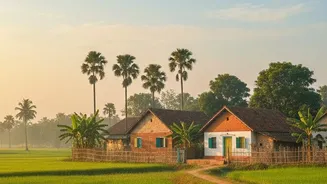
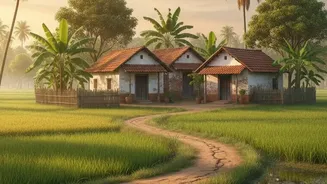
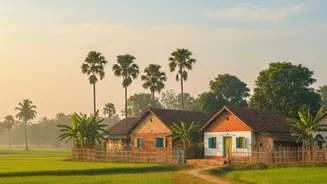
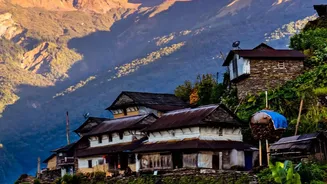
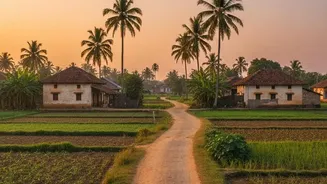
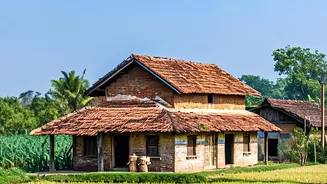
across the water sets the tone for the slow, peaceful rhythm of island life. Majuli is not a place of conventional sightseeing but of cultural immersion. It is the epicentre of Assamese Neo-Vaishnavite culture, home to dozens of monasteries known as 'satras'. These institutions are living museums, preserving centuries-old traditions of devotional music, dance, and crafts like mask-making. Visitors can spend their days cycling through green paddy fields, visiting the satras to witness prayer ceremonies, and exploring villages inhabited by the Mising and Deori communities, known for their stilt houses and intricate weaving. The landscape is a tranquil mosaic of wetlands, sandbars, and small forests, offering incredible birdwatching opportunities.
The Mountain Escape to Meghalaya
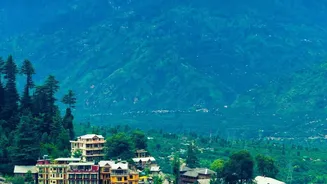
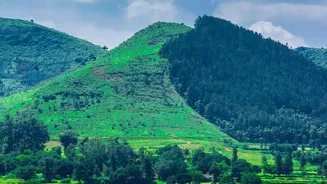
From the plains of Assam, a scenic drive south takes you into the rolling Khasi Hills of Meghalaya, the 'Abode of Clouds'. The contrast is immediate as the humid air of the river valley gives way to a crisp, cool mountain climate. The state capital, Shillong, often called the 'Scotland of the East', serves as a perfect base. From here, you can explore some of India’s most dramatic landscapes. Cherrapunji (Sohra) and Mawsynram, known for being among the wettest places on earth, are famous for their powerful waterfalls, like the majestic Nohkalikai Falls and the Seven Sisters Falls. This region is also home to the incredible living root bridges, masterpieces of natural engineering created by the Khasi people. The Double Decker Living Root Bridge in Nongriat is a challenging but rewarding trek. Another essential experience is a boat ride on the crystal-clear waters of the Umngot River in Dawki, where boats appear to float in mid-air.
Connecting the Landscapes: A Practical Itinerary
Combining these two distinct experiences into one trip is highly achievable. A logical route starts in Assam. You can fly into Guwahati or Jorhat. From Guwahati, it’s a 6-7 hour drive to Jorhat, the gateway to Majuli. After spending two to three days exploring the island, you travel back from Majuli to Jorhat. From Jorhat, you can embark on the drive to Shillong in Meghalaya. This is a longer travel day, approximately 7-8 hours via Guwahati, but showcases the changing topography of the region. Once in Shillong, dedicate at least four to five days to explore the surrounding hills, including Cherrapunji and Dawki. The entire circuit, starting from Guwahati and covering both Majuli and the highlights of Meghalaya, can be comfortably done in 10 to 12 days, offering a deep and diverse look into the Northeast.
Best Time to Visit and Essential Tips
The ideal time to undertake this journey is between October and March. During these months, the weather is pleasant and dry in both Assam and Meghalaya. The rivers are calm, ensuring reliable ferry services to Majuli, and the skies in the mountains are generally clear, offering spectacular views. This period also coincides with Majuli’s Raas Mahotsav festival in November, a vibrant celebration of dance and drama. The monsoon season, from June to September, should be avoided as heavy rains can cause flooding in Assam, disrupting ferry schedules, and may lead to landslides in Meghalaya. While no special permits are required for Indian tourists visiting Assam and Meghalaya, it's always wise to carry a valid government-issued photo ID. Pack layers of clothing to adapt to the changing altitudes, from the warm plains to the cool hills, and be sure to bring comfortable walking shoes for exploring villages and trekking to root bridges.