



Understanding Complete Protein
First, let's demystify the term 'complete protein.' Proteins are constructed from building blocks called amino acids. There are twenty different types, but nine are considered 'essential' because our bodies cannot produce them; we must get them from food.
A food source is called a complete protein when it contains all nine of these essential amino acids in sufficient amounts. While most animal products are complete proteins, many plant foods are 'incomplete,' meaning they are low in one or more essential amino acids. This isn't a problem, it just requires a little know-how to create a balanced plate.
Lentils: The Protein Powerhouse
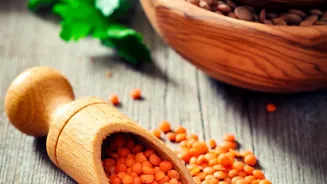
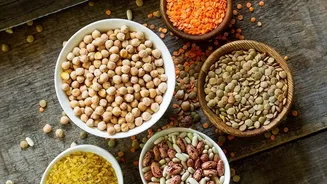
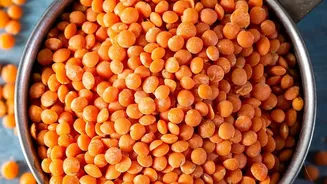
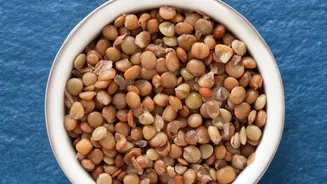
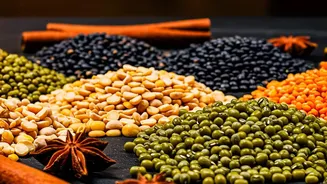
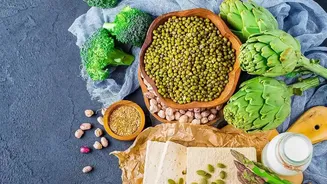
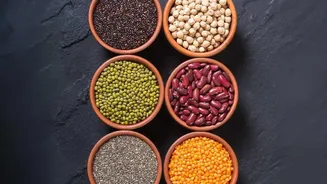
Lentils are a nutritional champion in the plant kingdom. They are packed with protein, fibre, and essential minerals like iron and folate. In terms of their amino acid profile, lentils are particularly rich in an essential amino acid called lysine. However, like most other legumes, they are low in two other essential amino acids: methionine and cysteine. This is what makes them an 'incomplete' protein on their own, but it also sets them up perfectly for a nutritional partnership.
Seeds: The Missing Puzzle Piece
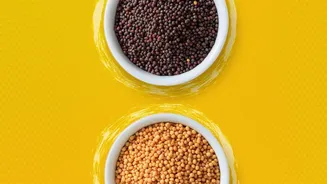
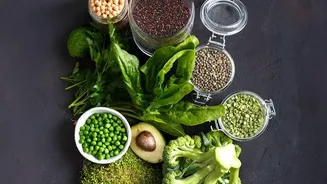
This is where seeds come in to save the day. Many seeds, such as sesame, sunflower, and pumpkin seeds, are nutritional powerhouses in their own right. Coincidentally, they are rich in the very amino acids that lentils lack: methionine and cysteine. By combining lentils with these seeds, you are essentially filling in the nutritional gap. The lysine from the lentils complements the methionine and cysteine from the seeds, and together, they provide all nine essential amino acids, creating a complete protein profile.
Easy Ways to Pair Lentils and Seeds
Making this combination part of your daily routine doesn't require complicated recipes. The beauty of this pairing lies in its simplicity. The goal is to eat these foods over the course of the day, not necessarily in the same bite, as your body maintains a pool of amino acids it can draw from. Here are some incredibly simple ways to start: Top Your Soups and Curries: Made a hearty lentil soup or a flavourful dal? Just before serving, sprinkle a tablespoon of roasted sunflower or pumpkin seeds on top. It adds a delightful crunch and completes the protein. Elevate Your Salads: A cold lentil salad is a fantastic lunch option. Toss in a handful of your favourite seeds or, even better, whisk together a dressing using tahini (which is made from sesame seeds). Boost Your Burgers and Loaves: If you're making veggie burgers or a lentil loaf, mix finely chopped walnuts or ground seeds directly into the mixture before cooking. It enhances the texture and nutritional value. Simple Sides: Serve your main lentil dish with a side of bread that contains seeds. Even this simple act helps create a more balanced amino acid profile.
A Few Winning Combinations
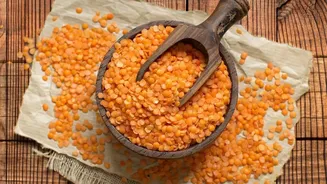
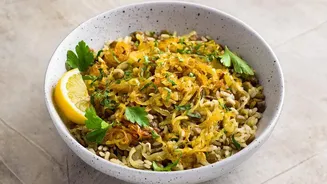
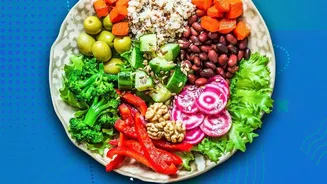
To get you started, think about these effortless pairings: Red Lentil Dal with a Sesame Garnish: After cooking your dal, top it with a teaspoon of toasted sesame seeds. The nutty flavour works beautifully with the spices. Green Lentil Salad with Pumpkin Seeds: Combine cooked green lentils with chopped cucumber, tomatoes, and a generous sprinkle of pumpkin seeds. Drizzle with a simple lemon-tahini dressing. * Brown Lentil Stew with a Side of Seeded Bread: A classic, comforting meal that effortlessly brings together the necessary amino acids. By focusing on variety in your diet and including a mix of legumes, seeds, nuts, and grains, you can easily meet all your protein needs without any stress.