





Why Is Everyone Talking About Protein?
The buzz around high-protein breakfasts isn't just another fleeting wellness trend. It's a direct response to our modern lifestyles. Many traditional Indian breakfasts are rich in carbohydrates, which, while delicious, can lead to a quick energy spike
followed by a slump. A protein-forward meal, however, digests more slowly. This provides a steady release of energy, helping you stay focused and avoid reaching for unhealthy snacks mid-morning. This shift is also fuelled by a greater awareness of health and fitness, with more people understanding that protein is crucial not just for building muscle, but for overall bodily function and weight management.
The Simple Science of Staying Full
The magic of a high-protein breakfast lies in its effect on your hormones and blood sugar. Protein is highly satiating, meaning it helps you feel fuller for longer. It works by suppressing ghrelin, the hormone that tells your brain you're hungry. At the same time, it helps keep your blood sugar levels stable, preventing the sharp peaks and crashes that refined carbohydrates can cause. This stability is the key to avoiding that familiar feeling of lethargy and irritability a few hours after eating. For many, this translates into better concentration at work and more mindful eating habits throughout the day.
What Does a 'High-Protein' Breakfast Look Like?
You don't need to start chugging protein shakes to reap the benefits. Dietitians suggest that aiming for 20 to 30 grams of protein in your morning meal is an effective target for most adults. To put that in perspective, many common breakfasts like a bowl of poha or a couple of idlis might only offer 4 to 8 grams. The goal is to consciously incorporate protein-rich ingredients into your existing meals or try new combinations that prioritise this essential macronutrient.
Easy, Desi-Style Protein Breakfasts
Adopting a high-protein breakfast doesn't mean you have to give up your favourite Indian flavours. Many traditional ingredients are naturally rich in protein. Here are some simple and delicious ideas: Paneer Bhurji: A quick scramble of crumbled paneer with onions, tomatoes, and spices is a powerhouse of protein, offering around 18-20 grams per 100g serving. Enjoy it with a whole-wheat roti or toast. Moong Dal Chilla: These savoury crepes made from yellow lentil batter are a fantastic vegetarian option. Two chillas can provide about 14-16 grams of protein. Stuff them with grated paneer to boost the protein content even further. Eggs, Any Style: Eggs are one of the most efficient sources of high-quality protein. An omelette or bhurji made with two or three eggs can deliver 12 to 18 grams of protein. Sprouts Chaat: A refreshing bowl of steamed moong sprouts mixed with chopped vegetables, paneer, and a squeeze of lemon is a no-cook wonder that's rich in easily digestible protein. * Sattu Drink: Popular in several parts of India, a sharbat made from roasted gram flour (sattu) is a quick, filling, and protein-rich drink perfect for busy mornings.
Simple Swaps to Boost Your Breakfast
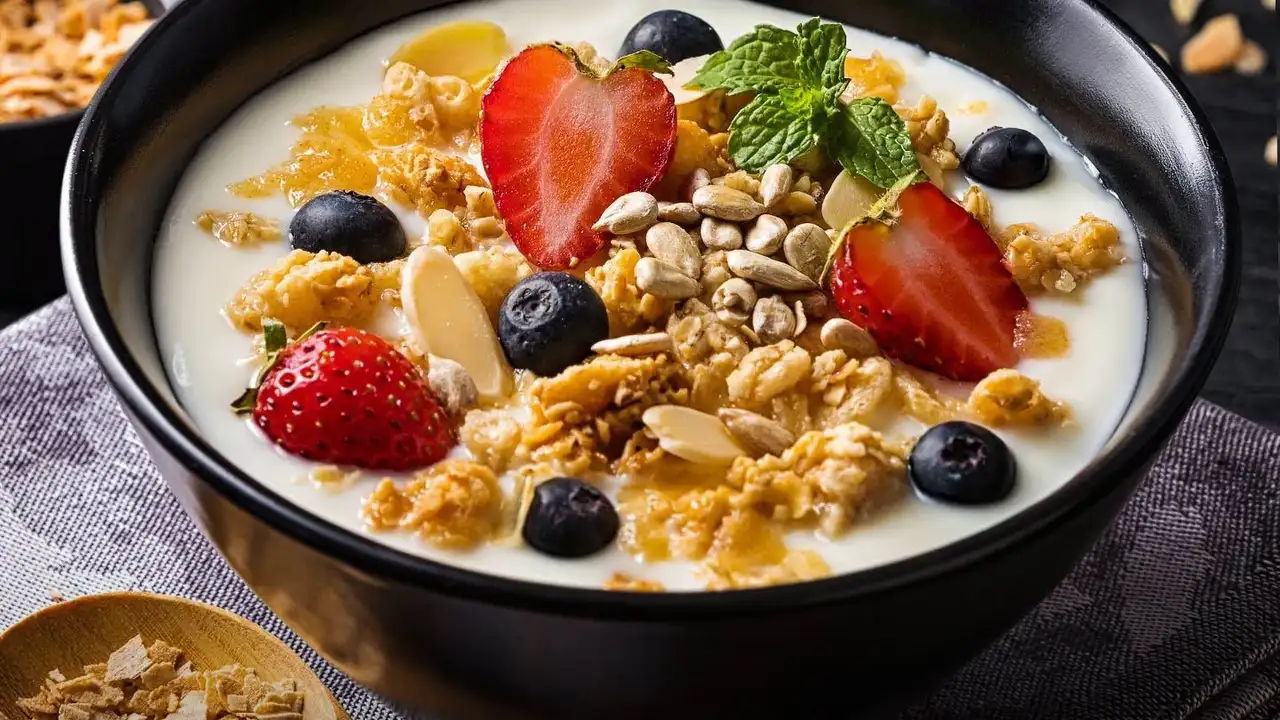
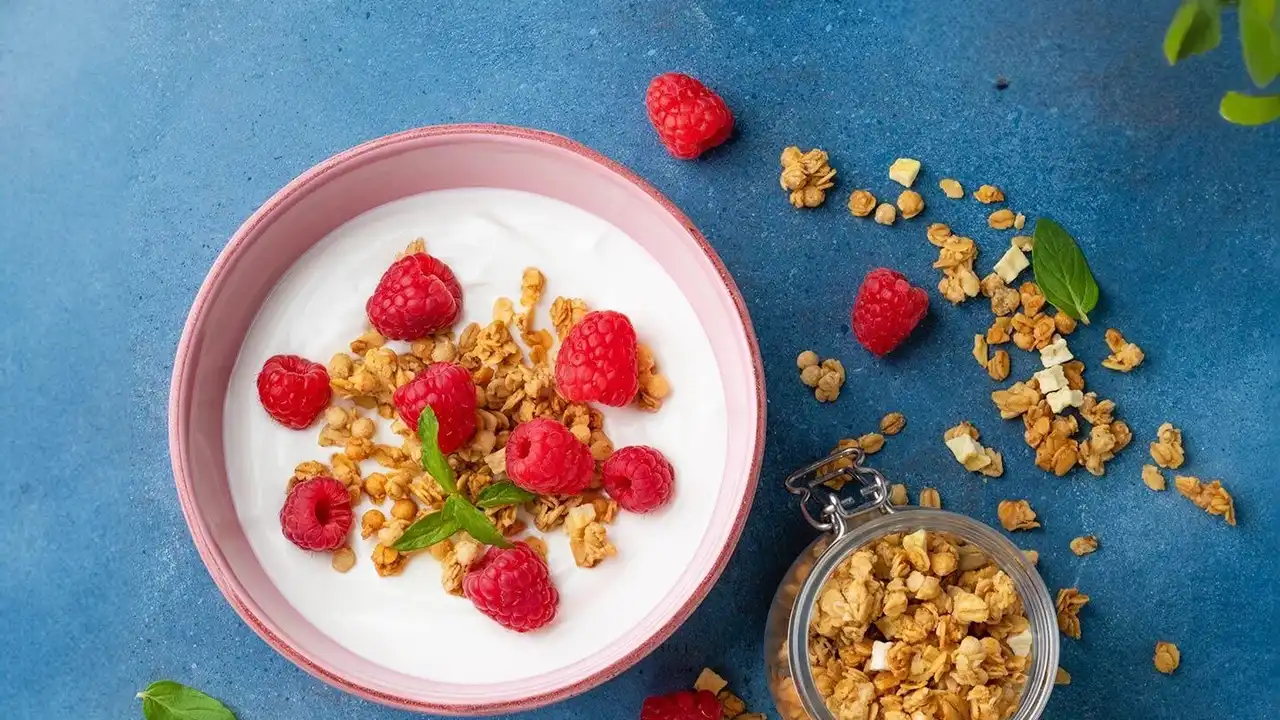
If you're not ready to overhaul your morning routine completely, small changes can make a big difference. Try adding roasted peanuts and peas to your poha, or have your upma with a side of steamed chickpeas. If you enjoy parathas, switching the traditional potato filling for a filling made of paneer or sattu can significantly increase the protein content. Even adding a bowl of thick curd or Greek yogurt to your meal can add a substantial protein kick. The key is to pair your carbohydrates with a protein source to make the meal more balanced and sustaining.