



A Shift in the Holiday Calendar
For decades, Indian travel was dictated by two main seasons: the rush for cool hills during summer vacations and the migration to sunny beaches in winter. The monsoon, from roughly June to September, was considered the off-season—a time to stay home and avoid
the downpour. However, this is rapidly changing. A new generation of travellers is discovering the unique charm of destinations transformed by rain. Data from travel platforms shows a significant spike in searches and bookings for monsoon travel, with some destinations seeing year-on-year growth of over 150%. This isn't just a niche trend; it's a fundamental recalibration of India's domestic tourism calendar.
The Allure of the Rains
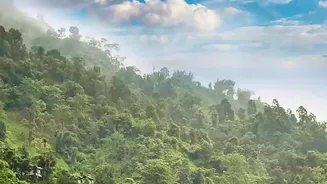
So, what’s behind this newfound love for the rainy season? The appeal is multifaceted. A major driver is the desire for a different kind of beauty. The monsoon transforms landscapes, turning them into vibrant, emerald-green paradises. Waterfalls that are mere trickles in summer roar to life, hills are shrouded in romantic mist, and the scent of wet earth fills the air. Destinations in the Western Ghats, like Coorg in Karnataka and Munnar in Kerala, become particularly breathtaking. This sensory experience offers a tranquil escape from the noise and heat of city life, appealing to travellers seeking relaxation and a connection with nature.
Popular Monsoon Hotspots
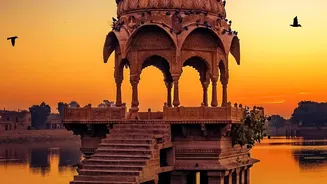
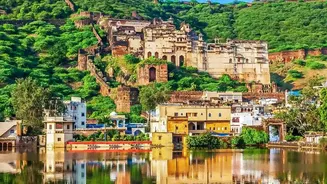
While traditional destinations remain popular, they are being experienced in a new light. Goa, once a winter-exclusive hotspot, now attracts visitors who prefer quiet, rain-washed beaches and lush green paddy fields over crowded shacks. Similarly, hill stations like Lonavala and Mahabaleshwar in Maharashtra, and Mussoorie in Uttarakhand, are weekend favourites for city dwellers from Mumbai, Pune, and Delhi. The South is a major beneficiary, with Kerala's backwaters and tea gardens, and Karnataka's coffee plantations in Coorg and Chikmagalur, ranking high on monsoon travel lists. Even Rajasthan's lake city of Udaipur sees continued interest, offering a different, more atmospheric charm during the rains.
The Modern Traveller's Mindset
The rise of monsoon tourism is also a story about the evolving Indian traveller. Today's tourists are more adventurous, value-conscious, and experience-led. Monsoon travel often comes with attractive off-season discounts on flights and luxury hotels, making it a budget-friendly option. For many, avoiding the crowds of peak season is a luxury in itself, allowing for a more peaceful and authentic trip. Recent survey data highlights a growing preference for experience-led travel, where the goal is cultural immersion, wellness, or adventure rather than just ticking off sights. The monsoon, with its unique atmosphere and activities like trekking to waterfalls or enjoying Ayurveda treatments, perfectly caters to this demand.
An Economic Blessing for Local Communities
This trend is more than just a win for travellers; it's a significant economic boon for the tourism industry. By turning a traditionally lean period into a viable travel season, monsoon tourism helps create year-round employment and a more stable revenue stream for hotels, resorts, and local businesses that would otherwise struggle. It encourages the development of new infrastructure and services tailored to the season, fostering a more resilient and sustainable tourism ecosystem. As more travellers discover the magic of a monsoon getaway, this off-season phenomenon is set to become a permanent and vital part of India's domestic travel landscape.