







The Sensory Call of the Monsoon
The connection between rain and food begins with the senses. The distinct earthy scent after the first rain, known as petrichor, has a powerful effect on the brain. This smell, caused by compounds released from the soil, is strongly linked to memory and emotion.
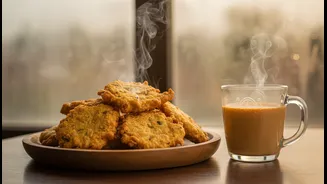
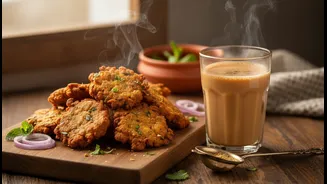
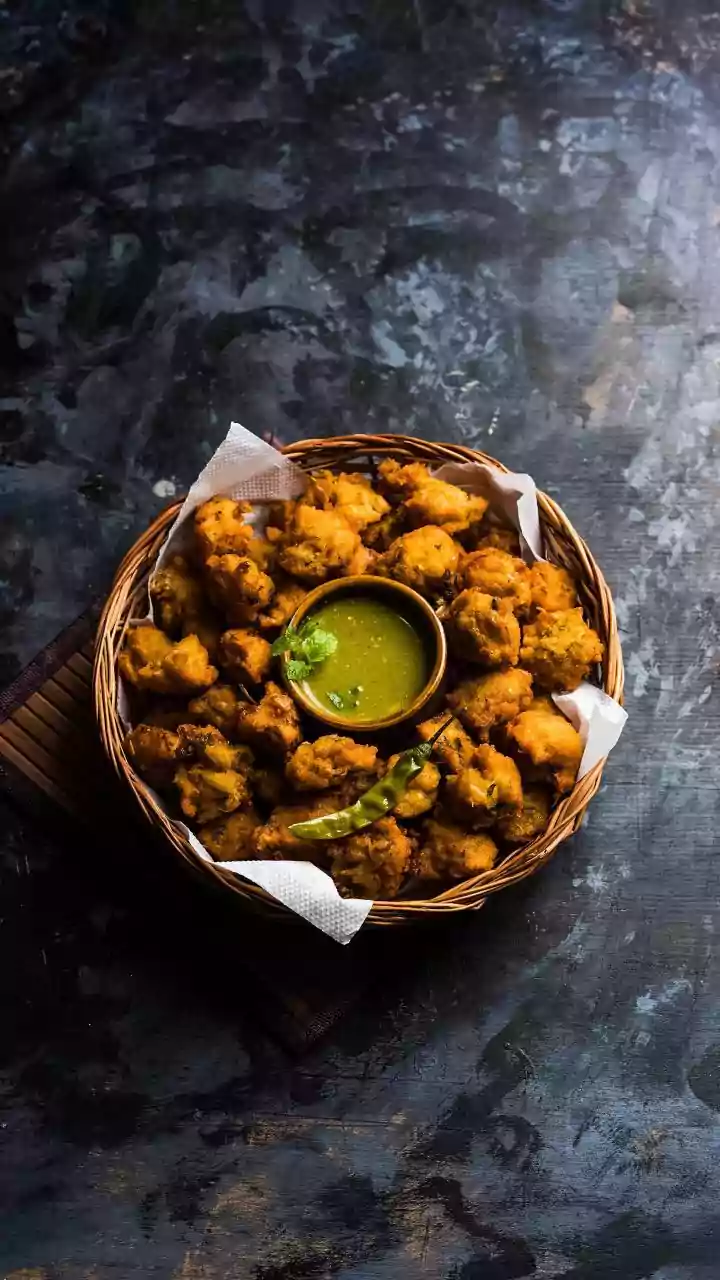
It creates an immediate sense of calm and nostalgia, shifting our mood and making us receptive to comfort. The cooler, damp air also plays a role. Psychologically, we begin to crave warmth and contrast. The satisfying crunch of a hot pakora or samosa offers a perfect textural counterpoint to the soft, humid atmosphere outside. Hearing the sizzle of batter in hot oil or the whistle of a tea kettle becomes the soundtrack to the season, reinforcing the entire sensory experience. This combination of smell, sound, and the feeling of warmth creates a multi-sensory trigger that is hard to ignore.
A Taste of Tradition
Monsoon food habits are steeped in tradition, passed down through generations. Across India, the rainy season is synonymous with specific culinary rituals. In countless households, the first sign of dark clouds is a cue to bring out the gram flour (besan) for pakoras and put the water on to boil for masala chai. This pairing of chai and fried fritters is more than a snack; it's an event that signifies togetherness and a pause from the everyday. Ayurveda, the ancient Indian system of medicine, also offers guidance for the season, known as Varsha Ritu. It suggests that the body's digestive fire (Agni) is weaker during the monsoon. Therefore, it recommends warm, light, and freshly cooked meals like khichdi, soups, and steamed vegetables to support digestion. While a plate of deep-fried bhajiyas might seem to contradict this, the inclusion of digestive spices like ginger, cumin, and ajwain in both snacks and teas is a nod to this traditional wisdom. These traditions ground our cravings in a shared cultural language.
The Science of Cravings
Beyond sensory triggers and tradition, there is a scientific basis for our monsoon cravings. The reduced exposure to sunlight on cloudy days can lead to a dip in serotonin, the brain's 'feel-good' chemical. This can affect our mood and appetite. To counteract this, the body craves carbohydrates, which can help boost serotonin levels, albeit temporarily. Fried, fatty foods provide a double hit by not only supplying carbs but also triggering a dopamine release, which is associated with pleasure and reward. Furthermore, the slight drop in ambient temperature makes our bodies seek calorie-dense, warm foods to help maintain core body temperature, a process known as thermogenesis. Spicy foods are also craved because capsaicin, the compound in chillies, can trick nerve receptors and release happiness-inducing dopamine. So, that seemingly impulsive desire for a spicy samosa has a logical, neurochemical explanation.
More Than Just Food: An Emotional Connection
Ultimately, the power of monsoon food lies in its emotional resonance. These food rituals are deeply connected to nostalgia and memory. For many, the taste of a hot bhutta (roasted corn on the cob) or a plate of pakoras transports them back to childhood. It evokes memories of cancelled school plans, gathering with family by the window, and the feeling of being cared for. Psychologists call this 'associative learning,' where the brain links the comforting experience of rain with the pleasure of specific foods. Over the years, one becomes a trigger for the other. Eating these foods is not just about satisfying hunger; it's about reliving happy moments and reconnecting with a sense of security and belonging. The act of sharing these snacks with family and friends further strengthens this bond, turning a simple meal into a cherished ritual of connection.