



The Vegetarian Protein Puzzle
Protein is the building block of muscle, essential for repair and growth after a tough workout. While animal products contain 'complete' proteins with all nine essential amino acids the body can't produce on its own, most plant sources are 'incomplete,'
meaning they are low in one or more of these crucial amino acids. This can seem like a major hurdle for vegetarian fitness enthusiasts who need to optimize their nutrition for performance and recovery. The concern is valid: without all the necessary amino acids, protein synthesis—the process of building new muscle—can't happen efficiently. But this doesn't mean you're at a disadvantage; it just requires a smarter approach to your plate.
Unlocking Synergy with Protein Complementation
Plant protein synergy, also known as protein complementation, is the strategy of combining different plant foods to create a complete amino acid profile. Think of it like assembling a puzzle. Grains, for instance, are often low in the amino acid lysine but high in methionine. Legumes, on the other hand, are rich in lysine but low in methionine. When you eat them together, they fill in each other’s gaps. This complementary relationship is the key. The classic example seen across the world is rice and beans. Individually, they are incomplete. Together, they form a powerful, complete protein that provides your muscles with all the essential building blocks they need to thrive.
Debunking a Common Myth
For years, the popular belief was that you had to combine these complementary proteins in the very same meal for your body to use them. This led to a lot of stressful meal planning. Thankfully, modern nutritional science has shown this isn't necessary. Your body is smart; it maintains a pool of free amino acids from the foods you eat throughout the day. This means as long as you eat a varied diet that includes different protein sources over the course of a day, your body can pull the amino acids it needs to build complete proteins. So, the dal you have for lunch can complement the whole-wheat roti you eat for dinner, giving you peace of mind and much more dietary flexibility.
Powerful Protein Pairings in Practice
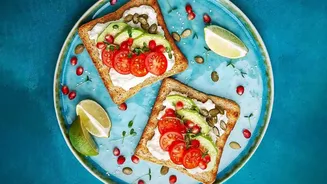
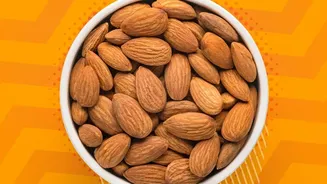
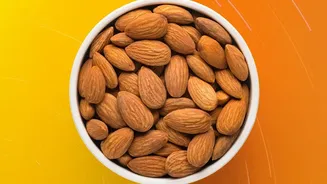
Building a synergistic diet is delicious and intuitive. Many traditional meals already do it perfectly. For powerful, muscle-building combinations, focus on these pairings: Legumes and Grains: This is the quintessential pairing. Think dal with rice, hummus with pita bread, a bean burrito in a corn tortilla, or peanut butter on whole-wheat toast. Legumes and Nuts/Seeds: A salad with chickpeas and a sprinkle of sunflower seeds, or a lentil soup topped with almonds, works well. Hummus, which combines chickpeas (a legume) with tahini (a seed paste), is a perfect example. Grains and Nuts/Seeds: Oatmeal topped with walnuts or chia seeds, or a quinoa salad with slivered almonds, are excellent ways to start your day or refuel.
Top-Tier Plant Proteins for Athletes
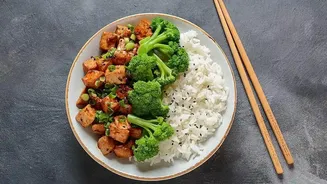
While combining proteins is a great strategy, some plant foods are nearly complete on their own and offer a significant protein punch. To maximize your gains, be sure to include these powerhouses in your rotation. Soy products like tofu, tempeh, and edamame are complete proteins and incredibly versatile. Quinoa is another complete protein that works as a fantastic base for meals. Lentils, chickpeas, and various beans are protein-dense legumes that are also high in fiber. Seitan, made from wheat gluten, is extremely high in protein, though it should be avoided by those with gluten sensitivities. Nuts, seeds like chia and hemp, and high-quality plant-based protein powders can also be instrumental in helping you meet your daily protein targets.