





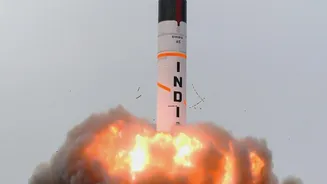
The New Private Space Race
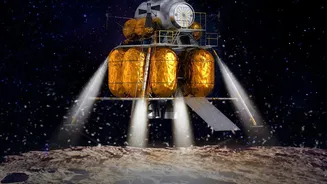
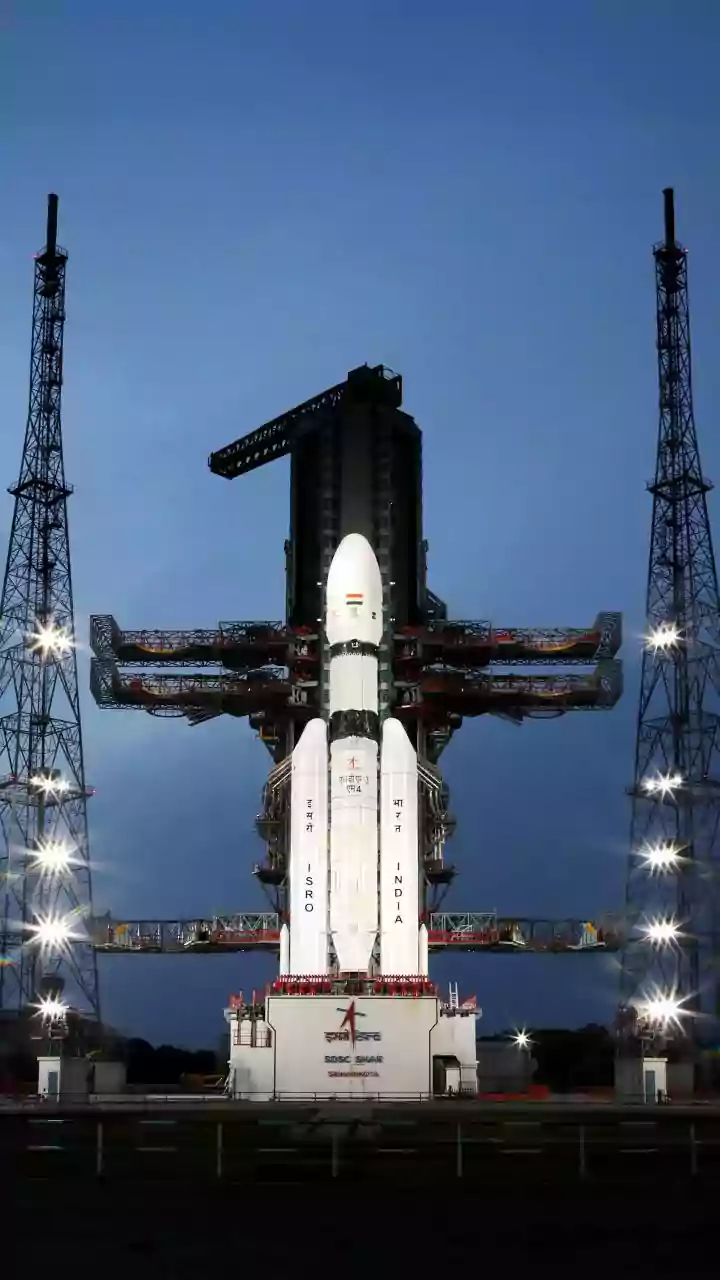
For decades, a career in India’s space sector meant one thing: working for the Indian Space Research Organisation (ISRO). But since the government opened the sector to private enterprise in 2020, the landscape has transformed. The establishment of IN-SPACe
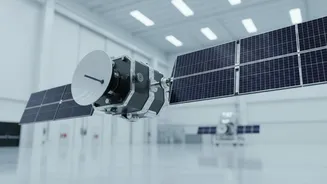
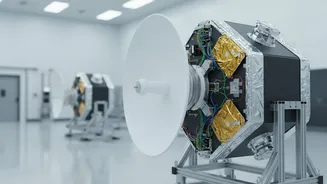
(Indian National Space Promotion and Authorisation Centre) as a facilitator has unleashed a wave of innovation, with over 400 private space startups now registered. Companies like Skyroot Aerospace, Agnikul Cosmos, and Pixxel are not just launching rockets and building satellites; they are creating a new commercial industry. This shift is structural, with India's space economy projected to grow from around $8 billion today to $44 billion by 2033, creating hundreds of thousands of new jobs.
From Rocket Science to Data Science
The popular image of a space career is often limited to rocket scientists and astronauts. In reality, these roles represent a tiny fraction of the industry. While demand for aerospace engineers remains high, the biggest growth is in software and data-related fields. Every satellite, probe, and mission generates terabytes of data that needs to be collected, processed, analyzed, and secured. This has created a surge in demand for data scientists, AI and machine learning specialists, cybersecurity experts, and GIS analysts. Companies are leveraging this data for everything from agricultural analytics and urban planning to climate monitoring and disaster management, making software skills as critical as knowledge of propulsion.
A Universe of Diverse Roles
The expansion of India's space ecosystem isn't just a story about technology; it's about building entire businesses. This requires a much wider range of skills than ever before. As private companies navigate complex international regulations and secure massive investments, the need for space law experts and policy analysts is growing. These startups also require professionals in finance, marketing, sales, and human resources to manage their operations and growth. There is also an increasing need for talent from adjacent industries, such as automotive engineering, electronics, and advanced materials, to bring proven capabilities into the space domain. This convergence means that a career in the space industry is now accessible to professionals from a vast array of backgrounds.
Bridging the Talent Gap
This rapid growth has created its own challenge: a talent shortage. While thousands of engineers graduate each year, there is a scarcity of individuals with the niche skills required for rocketry, propulsion, and avionics. More critically, there's a maturity gap—a shortage of senior professionals with the systems-level experience of managing entire missions, expertise largely concentrated within ISRO. In fact, the lure of higher salaries and faster growth in the private sector has led to an exodus of talent from ISRO itself. To counter this, private companies are investing heavily in upskilling and training programs, often taking six months to a year to prepare new hires for complex projects. This industry-led approach, combined with new academic programs, is crucial for building a sustainable workforce capable of meeting India's ambitious space goals.