







The Parable of the Modern Cafe
Think of the quintessential local cafe—perhaps an old Irani cafe in Mumbai or a classic Indian Coffee House. For decades, they've been more than just places for chai or coffee; they are community hubs, repositories of memory, and bastions of a certain
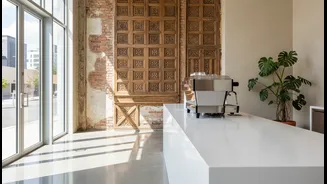
unhurried charm. Now, imagine it gets a 'modern' makeover. The familiar interiors are replaced with minimalist decor, the simple menu gives way to artisanal offerings with higher prices, and a new, younger crowd moves in. This isn't a single cafe's story but a recurring theme in urban India. From 'Wadas' in Pune to old bungalows in Bangalore, historic structures are being repurposed into trendy establishments. This transformation, often driven by a new generation of entrepreneurs, is creating a tension between preservation and progress that plays out one cup of coffee at a time.
Beyond Nostalgia, The Economic Realities
While patrons may mourn the loss of the old, for cafe owners, renovation is often a matter of economic survival. Rising rents in prime urban locations, the need to attract a demographic with higher disposable income, and competition from global chains are powerful motivators. The economics of running a restaurant in modern India are increasingly harsh. A new hybrid model is emerging where spaces must be flexible, transitioning from a coffee spot by day to a bar by night to maximize revenue. This 'adaptive reuse' is seen as an innovative business strategy. It's not just about changing aesthetics; it’s about making old spaces economically viable in a rapidly modernizing market where customer tastes are also evolving.
When Old Rules Meet New Realities
This is where the story of a simple cafe crashes into the complex world of urban planning. For years, urban development in many Indian cities has been seen as a conflict between heritage and growth. Old buildings and neighbourhoods were often viewed as obstacles to modernization—dead capital occupying valuable land. This has led to the rapid disappearance of historic urban fabric, replaced by generic concrete structures. The cafe makeover phenomenon, however, presents a different model: development through heritage, not in spite of it. These small-scale projects act as proof that historic buildings can be revitalised and integrated into the modern economy, challenging planners to think beyond demolition and new construction.
From Top-Down to Bottom-Up
The story around these cafes is helping shift the planning conversation from a rigid, top-down approach to one that is more community-focused and flexible. Instead of being about zoning laws and infrastructure projects alone, the discussion now includes the 'sense of place' that makes a city unique. These cafes act as social catalysts and community hubs, enhancing street life and creating micro-economies. Planners are noticing how a single, well-designed cafe can increase foot traffic and trigger a chain of improvements in a neighbourhood. This has sparked interest in 'heritage-led development,' an approach that uses a city's unique cultural assets as a foundation for sustainable growth, encouraging community engagement in the planning process.
The Customer Becomes a Citizen
Ultimately, the most significant change sparked by these cafe makeovers is in the public consciousness. The debates that erupt online and in communities when a beloved spot changes are a form of civic engagement. People are not just acting as consumers complaining about menu prices; they are acting as citizens asserting their claim to the city's identity and culture. They are asking difficult questions: Who is our city for? What is the right balance between the old and the new? This shift turns a commercial transaction—buying a cup of coffee—into a cultural and political statement. It demonstrates that the future of India's urban spaces won't be decided solely in government offices but also in the vibrant, contentious, and essential public square of the modern cafe.