



Understanding Karat: What the 'K' Really Means
Before comparing, it's essential to know what 'karat' (K) stands for. It's a unit used to measure the purity of gold on a scale of 24. Think of it as 24 parts making up the whole. So, 24K gold means that all 24 out of 24 parts are pure gold. Any number
lower than 24 indicates that the gold has been mixed with other metals, known as alloys. This is not to be confused with 'carat,' the unit used to measure the weight of gemstones like diamonds.
24K Gold: The Purest Form
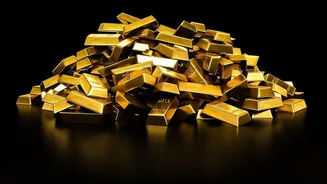
24-karat gold is the purest gold you can buy, boasting a purity of 99.9%. This high purity gives it a distinct, vibrant, and rich yellow colour that is highly sought after. However, this purity comes with a significant drawback: softness. Pure gold is extremely malleable and soft, making it prone to bending, scratching, and denting with daily use. Because of this, 24K gold is not ideal for crafting everyday jewellery, especially intricate designs or pieces meant for regular wear like rings and bangles. It is most commonly found in the form of gold bars, coins, and for certain ceremonial pieces where durability is less of a concern.
22K Gold: The Ideal Balance for Jewellery
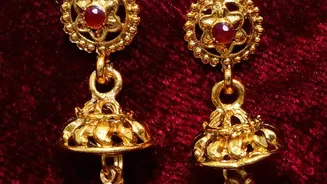
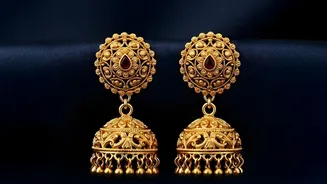
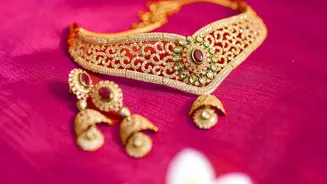
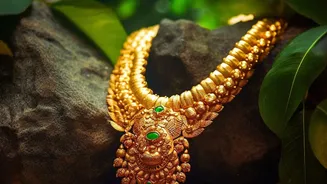
22-karat gold, often called '916 gold', is composed of 22 parts pure gold and 2 parts other metals. This means it has a purity of 91.67%. The remaining 8.33% consists of alloys like copper, silver, zinc, or nickel. Adding these metals significantly increases the gold's hardness and durability. This makes 22K gold far more resistant to scratches and daily wear and tear, ensuring that jewellery retains its shape and intricate designs over time. For this reason, 22K gold is the preferred and most popular choice for making traditional gold jewellery in India.
Durability and Use Case: The Deciding Factor
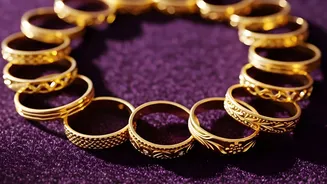
The fundamental difference comes down to durability. If you're looking for an engagement ring, a daily-wear chain, or bangles, 22K gold is the practical and superior choice. Its added strength ensures it can withstand the rigours of everyday life. On the other hand, 24K gold's softness makes it impractical for most jewellery forms. It would easily deform, and stones set in pure gold could become loose. It is best reserved for investment purposes in the form of coins and bars, where it will not be subject to physical stress.
Cost and Investment Value
Naturally, 24K gold is more expensive per gram than 22K gold because it contains more pure gold. When you buy 22K jewellery, the price includes the value of the gold plus 'making charges,' which cover the craftsmanship. From a pure investment perspective, 24K gold bars or coins are often recommended as they hold the highest intrinsic value and are easily liquidated worldwide. However, 22K gold jewellery is also considered a strong investment in India, serving as a form of wearable wealth that holds excellent resale value and is often passed down through generations.
Making the Right Choice for You
The choice between 22K and 24K gold is not about which one is universally 'better', but which is right for your specific needs. For pure investment with the highest liquidity, 24K gold coins and bars are the standard. For any piece of jewellery you intend to wear, whether daily or on special occasions, 22K gold offers the perfect combination of high purity, beautiful colour, and essential durability. Regardless of your choice, always look for the Bureau of Indian Standards (BIS) hallmark, which certifies the purity of the gold you are purchasing.