





The Psychology of a Personal Sanctuary
Why does a specific corner of your home feel more calming than the rest? The answer lies in psychology. Our brains are wired to create associations with places. When you designate a space solely for relaxation and quiet contemplation, your mind begins
to associate that spot with a state of calm. Over time, simply sitting in your nook can trigger a relaxation response, making it easier to de-stress. This concept, known as 'environmental psychology,' suggests that by consciously designing our surroundings, we can influence our mood and mental state. A quiet nook is more than just a chair; it's a physical anchor for your mental peace, a place where the expectation is to do nothing but be.
Finding Your Spot, No Matter the Size
You don't need a sprawling villa to create a sanctuary. The most effective quiet nooks are often small, cosy, and carved out of existing spaces. Look for an underutilised corner of your home. It could be beside a window with a pleasant view, a small section of your balcony, the landing on a staircase, or even just one end of your sofa that you claim as your own. The key criteria are relative quiet and a feeling of separation from the main household traffic. If you live in a small apartment, you can use a bookshelf, a tall plant, or a decorative screen to visually partition a space and give it a distinct identity. The goal is to create a psychological boundary, even if a physical one isn't possible.
Furnishing Your Nook for Comfort
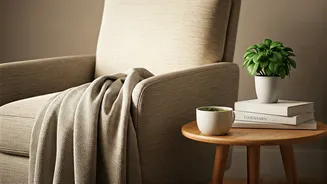
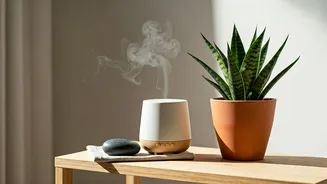
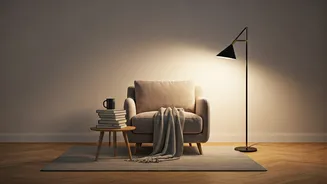
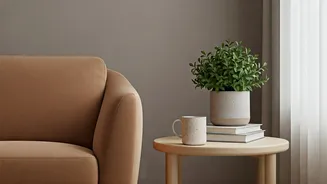
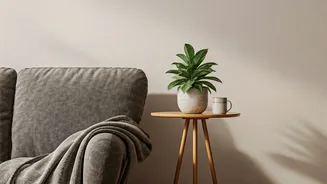
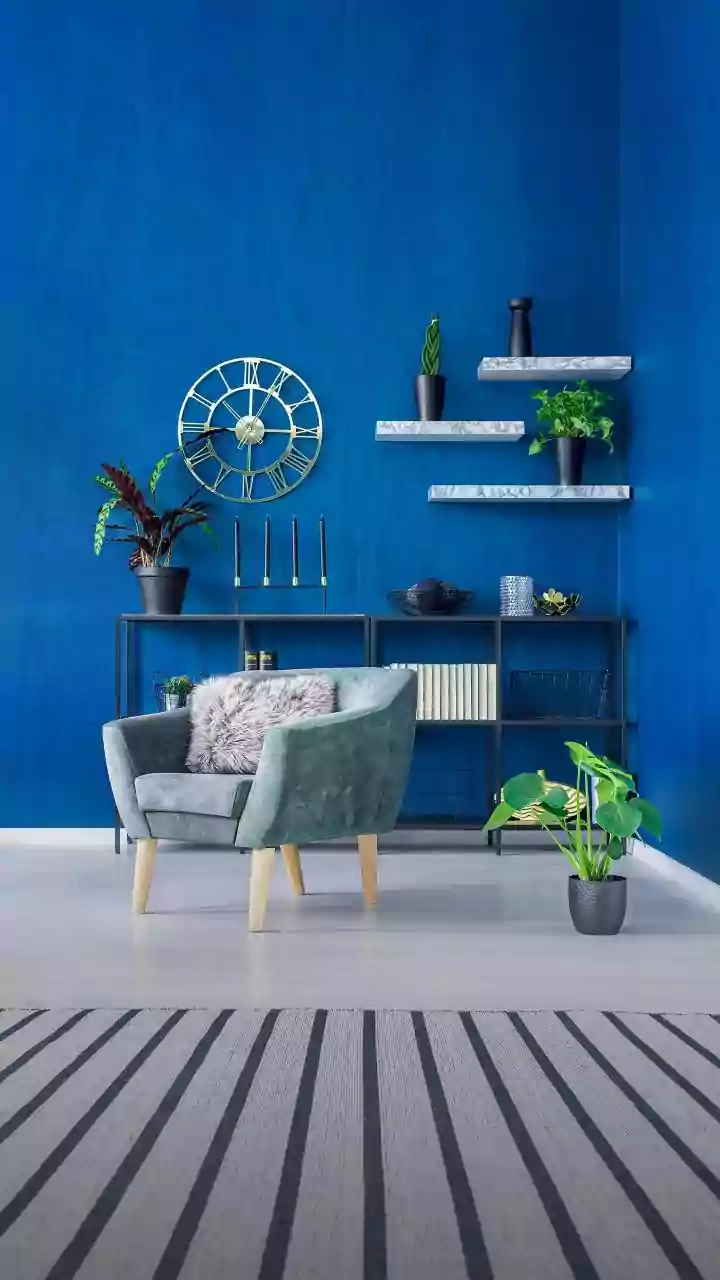
Once you've chosen your spot, the next step is to make it comfortable and inviting. This doesn't require a large budget. Focus on sensory comfort. Start with a comfortable seat—a plush armchair, a simple floor cushion, or a beanbag. Add a small side table to hold a cup of tea, a book, or a journal. Lighting is crucial; opt for a warm, soft lamp rather than harsh overhead lights. A cosy throw or blanket can add a layer of comfort and security. Finally, make it personal. This is your space. Include items that bring you joy and calm: a favourite scented candle (used safely), a small plant, a framed photo, or a piece of art.
Building Your Reset Routine
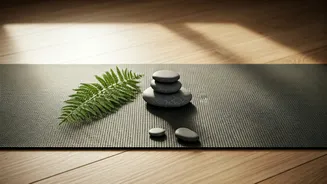
A quiet nook is the stage; the reset routine is the performance. The space enables the habit. Your routine doesn't need to be long or complicated. In fact, the simpler, the better. The goal is consistency. Here are a few ideas to get you started: - The Five-Minute Tea Ritual: Brew your favourite tea and do nothing else but savour it in your nook. - The One-Song Break: Put on your headphones and listen to one calming piece of music from start to finish. - The Reading Chapter: Commit to reading just one chapter of a book (not on a screen!) each day. - The Breathing Box: Simply sit and focus on your breath. Inhale for four counts, hold for four, exhale for four, and hold for four. Repeat for a few minutes. Choose one activity and commit to doing it in your nook every day, even if just for a few minutes. This repetition is what builds the powerful mind-space connection.
Setting and Protecting Boundaries
For your nook to remain a sanctuary, you must protect it from the intrusions of daily life. This is the most important rule: the quiet nook is a no-work, no-stress zone. This means no laptops, no work calls, and no doomscrolling. It's highly recommended to make it a phone-free zone, or at least put your device on silent or airplane mode. Gently communicate the purpose of the space to your family or flatmates. Explain that it's your spot to recharge for a few minutes. When they understand its importance to your well-being, they are more likely to respect it. Protecting this space is an act of self-care.