

Gaganyaan: India's Human Spaceflight Debut
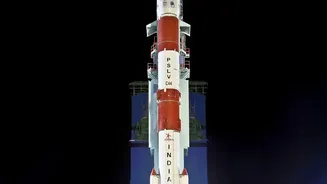
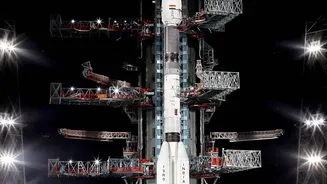
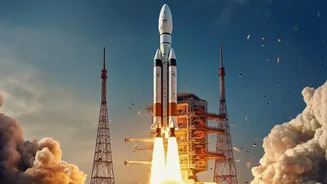
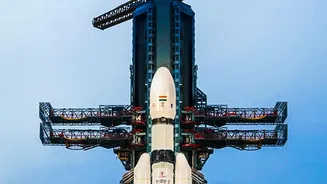
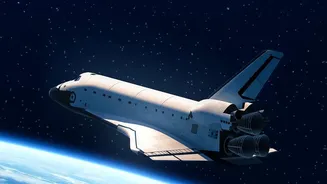
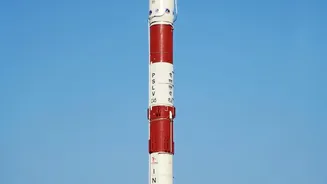
The most anticipated mission is undoubtedly Gaganyaan, India's inaugural human spaceflight program. The goal is to demonstrate the nation's capability to send humans to low Earth orbit and bring them back safely. Following a series of crucial technology
demonstrations, the program is moving toward its test flight phase. The first of three uncrewed test flights is slated for 2026. This mission will be a critical end-to-end test of the launch vehicle, orbital module, and re-entry and recovery systems. A subsequent uncrewed flight, G2, will carry the humanoid robot Vyommitra to validate life-support systems later in 2026. These pave the way for the first crewed flight, which will carry three Indian astronauts into orbit, marking a monumental achievement for the country. While timelines are subject to rigorous safety assessments, the progress signals a new era for India in space.
NISAR: A Joint Eye on Planet Earth
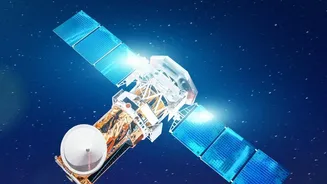
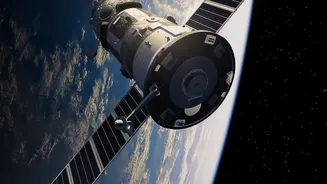
In a significant collaboration, ISRO has partnered with NASA for the NISAR (NASA-ISRO Synthetic Aperture Radar) mission. Launched in July 2025, this advanced Earth observation satellite is already delivering images of our planet. NISAR is the first satellite to use dual radar frequencies (L-band and S-band), allowing it to observe changes in Earth's surface with unprecedented detail, day or night, and in any weather. Its primary objective is to monitor everything from the movement of ice sheets and glaciers to ground deformation from earthquakes and changes in vegetation. The data, which is openly available, will be invaluable for managing natural disasters, monitoring ecosystems, and understanding the impacts of climate change. This mission highlights India's growing role in global scientific collaboration.
Shukrayaan-1: Venturing to Venus
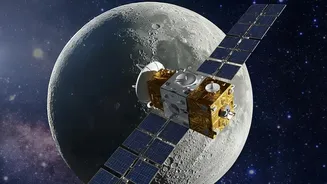
After conquering the Moon and Mars, ISRO is setting its sights on Earth's other neighbour, Venus. The Venus Orbiter Mission, unofficially known as Shukrayaan-1, received formal government approval in September 2024. Scheduled for launch on March 29, 2028, the mission aims to study the enigmatic planet's surface and thick, toxic atmosphere. Venus is often called Earth's 'twin sister' due to its similar size and mass, but it evolved into a scorching, inhospitable world. Shukrayaan-1 will carry a suite of scientific instruments, including a ground-penetrating radar, to investigate Venus's subsurface, its volcanic activity, and the complex chemistry of its atmosphere. This mission could provide crucial clues as to why two similar planets had such drastically different fates.
Mangalyaan 2: A Return to the Red Planet
Building on the stunning success of its first Mars Orbiter Mission (Mangalyaan), ISRO is planning a more ambitious follow-up. While the original mission was an orbiter, Mangalyaan 2 is envisioned to include a lander and potentially a rover, marking India's first attempt to soft-land on the Martian surface. Some reports even suggest the inclusion of a helicopter-like rotorcraft. The mission is in its development phase, with a targeted completion between 2028 and 2030. A successful landing would make India part of a very exclusive club of nations to have operated a spacecraft on Mars, further solidifying its position as a major player in interplanetary exploration.
Bharatiya Antariksha Station: A Home in the Sky
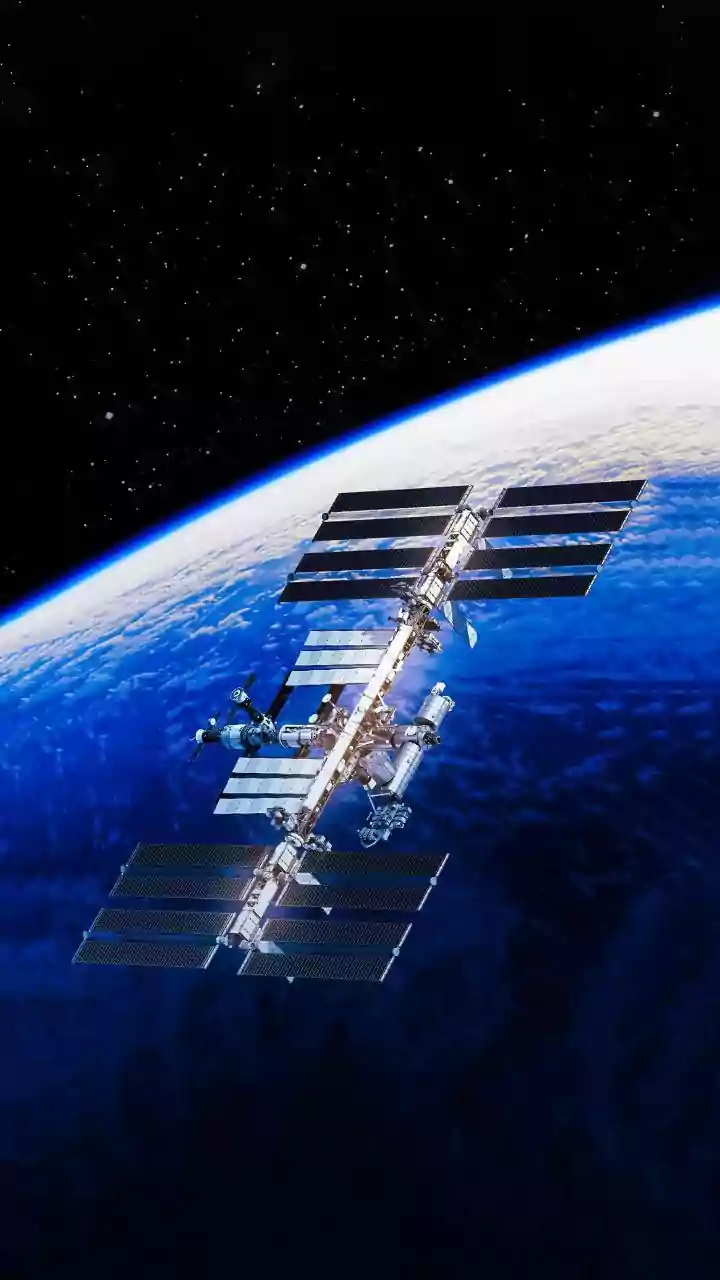
Looking further into the future, ISRO has unveiled plans for the Bharatiya Antariksha Station (BAS), India's own modular space station. This long-term project aims to establish a permanent outpost in low Earth orbit at an altitude of about 400 kilometres. The station will be built in phases, with the first module targeted for launch in 2028 and the full five-module station expected to be operational by 2035. The BAS will serve as a laboratory for long-duration scientific research in microgravity and as a stepping stone for future deep-space missions, including India's goal of a crewed lunar landing by 2040. This ambitious project represents a grand vision for India's sustained presence in space.