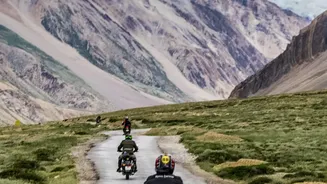







1. Destination and Route Viability
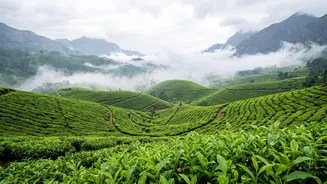
Not all destinations are ideal during the monsoon. While places like Kerala, Goa, and the Western Ghats are stunning, mountainous regions in Himachal Pradesh and Uttarakhand can be risky. Before committing, check if your chosen destination is prone to
landslides, flash floods, or severe waterlogging. Monitor official advisories from local authorities and the India Meteorological Department (IMD). Avoid routes that are known for closures and have no alternatives, especially in hilly or remote areas. A beautiful destination is worthless if you can't reach it safely.
2. Weather Forecasts and Local Alerts
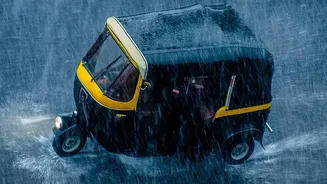
The weather can change in an instant during the monsoon. A sunny morning can quickly turn into a torrential downpour. Don't just check the forecast a week before; monitor it daily leading up to your trip and even during your journey. Use reliable weather apps and local news channels for updates on heavy rainfall warnings, thunderstorms, or cyclonic conditions. Having this information allows you to build flexibility into your itinerary, with buffer days to account for potential delays.
3. Transportation and Vehicle Readiness
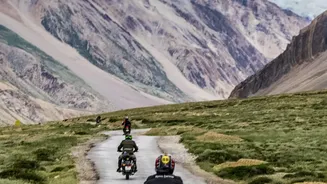
Heavy rain can disrupt all forms of transport. Flights and trains can be delayed, and roads can become treacherous. If you are planning a road trip, a thorough vehicle check is non-negotiable. Ensure your tyres have adequate tread, brakes are responsive, and wipers are in perfect condition. Driving on wet, slippery roads requires extra caution, so avoid night driving and speeding. For those relying on public transport, consider booking with providers who have flexible cancellation policies and always have a backup plan. Hiring a local driver who knows the terrain can also be a much safer option.
4. Accommodation Accessibility and Safety
Your hotel's location and condition are crucial. Booking a remote resort might seem idyllic, but it can become a trap if roads get blocked. Opt for accommodations that are easily accessible from main transport hubs. Before booking, inquire about their preparedness for monsoon-related issues like power cuts, water shortages, or leaks. Reading recent reviews can provide insight into how the property handles such situations. A flexible booking policy that allows for last-minute cancellations due to weather is a significant advantage.
5. The Right Wardrobe and Gear
Packing correctly can make or break a monsoon trip. Leave the jeans and cottons behind; they take forever to dry in the humid weather. Instead, opt for lightweight, synthetic, quick-dry clothing. Essential gear includes a reliable raincoat or poncho, waterproof footwear with good grip, and a waterproof cover for your backpack. Use dry bags or zip-lock pouches to protect your electronics, documents, and cash. An extra pair of shoes and plenty of socks are always a good idea.
6. Health and Hygiene Precautions
The monsoon is a breeding season for mosquitoes and water-borne diseases like dengue, malaria, and typhoid. Take health precautions seriously. Drink only bottled, boiled, or purified water and be cautious about street food, which can be exposed to contaminants. Carry a basic first-aid kit with essentials like antiseptic, bandages, pain relievers, and any personal medications. A strong insect repellent is a must, especially in rural or forested areas. Staying dry and maintaining personal hygiene can also help prevent fungal infections.
7. Travel Insurance and Emergency Plan
Hope for the best, but prepare for the worst. Unpredictable weather can lead to trip cancellations, delays, and medical emergencies. Before you go, check if your travel insurance policy covers weather-related disruptions. Create a simple emergency plan. Keep a list of important contact numbers, including local authorities, your hotel, and emergency services. Ensure your phone is always charged and carry a power bank. Informing a family member or friend of your itinerary adds another layer of safety.