








1. Boil or Filter All Drinking Water
This might seem basic, but it’s the single most important habit for monsoon health. The rainy season increases the risk of contamination in the water supply, leading to a spike in water-borne diseases like typhoid, cholera, and diarrhoea. Boiling water for at least
one minute (or using a reliable RO or UV filter) kills harmful bacteria and viruses. Make this a non-negotiable rule for your entire household, not just for drinking but also for water used in cooking.
2. Perform a Daily 10-Minute Home Scan
Dampness and stagnant water are the monsoon’s biggest domestic threats. Dedicate ten minutes each day to a quick inspection. Check for damp patches on walls, look for early signs of mould in cupboards, and ensure there’s no water collecting in discarded pots, cooler trays, or tyres in your balcony or garden. This simple habit is your frontline defence against mosquito breeding (dengue, malaria) and the spread of mould that can trigger allergies and respiratory issues.
3. Switch to Monsoon-Proof Footwear
Walking through puddles is often unavoidable, but wearing the wrong shoes can lead to nasty fungal infections like athlete's foot. Ditch your beloved canvas sneakers and leather shoes that trap moisture. Instead, invest in open-toed, quick-drying footwear like rubber sandals or floaters. The key is to let your feet breathe. As soon as you get home, wash your feet with soap and dry them thoroughly, especially between the toes.
4. Boost Your Immunity Through Diet
Your immune system works overtime during the monsoon. Support it by making small dietary changes. Incorporate immunity-boosting ingredients common in Indian kitchens, like turmeric (haldi), ginger (adrak), garlic (lehsun), and black pepper (kali mirch). A warm bowl of soup or a cup of herbal tea can be both comforting and beneficial. Favour light, home-cooked meals and reduce your intake of raw vegetables and salads, which can carry a higher risk of germs.
5. Ventilate Rooms, Even When It Rains
It feels counterintuitive to open windows when it's pouring outside, but a lack of ventilation is what causes that musty monsoon smell and encourages mould growth. Use brief dry spells to air out your home, especially the kitchen and bathrooms. If it's raining continuously, use an exhaust fan to circulate air and reduce humidity. This prevents the build-up of moisture that damages furniture, clothes, and walls.
6. Be Mindful of Street Food
The craving for a hot samosa or pakora on a rainy day is universal, but this is the riskiest time for street food. High humidity allows bacteria to multiply rapidly, and the water used may not be clean. If you must indulge, choose vendors who prepare food fresh in front of you and maintain high standards of hygiene. A better habit? Recreate your favourite street food snacks at home where you can control the ingredients and quality.
7. Iron Clothes, Especially Undergarments
Clothes take forever to dry during the monsoon, and even when they feel dry to the touch, they can retain a small amount of dampness. This moisture is a breeding ground for fungus and bacteria, which can cause skin infections. Make it a habit to iron all your clothes, paying special attention to undergarments and socks. The heat from the iron will eliminate any residual moisture and kill germs.
8. Prepare a Monsoon Emergency Kit
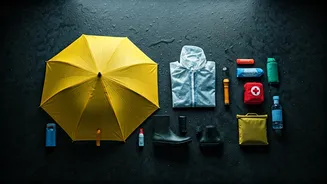
Don’t get caught unprepared by a sudden downpour or a power cut. Keep a small, waterproof ‘monsoon kit’ near your door. This should include more than just an umbrella. Think a power bank for your phone, a small torch, a basic first-aid kit with antiseptic and bandages, mosquito repellent, and a waterproof pouch for your wallet and electronics. It’s a simple habit that provides immense peace of mind.
9. Protect Your Electronics from Humidity
Moisture is the enemy of electronics. High humidity can cause corrosion and short circuits in your expensive gadgets. Get into the habit of using surge protectors to shield devices from power fluctuations common during thunderstorms. Place silica gel packets (the kind that come in new shoe boxes) in your laptop bag or camera case to absorb excess moisture. Avoid charging your phone if it has been exposed to rain until it's completely dry.
10. Check Vehicle Tyres and Wipers
This habit could be a lifesaver. Before the monsoon sets in, and periodically throughout, check the condition of your car or two-wheeler’s tyres. Good tread is crucial for maintaining grip on wet, slippery roads. Similarly, ensure your windshield wipers are not cracked or worn out; poor visibility is a major cause of accidents in the rain. A five-minute check can prevent a major mishap.