
Why You Shouldn’t Waste Herb Stems
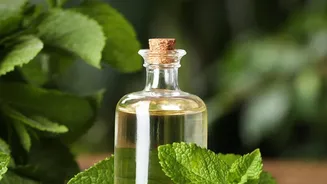
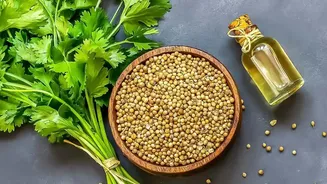
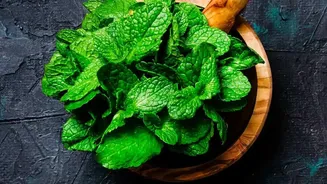
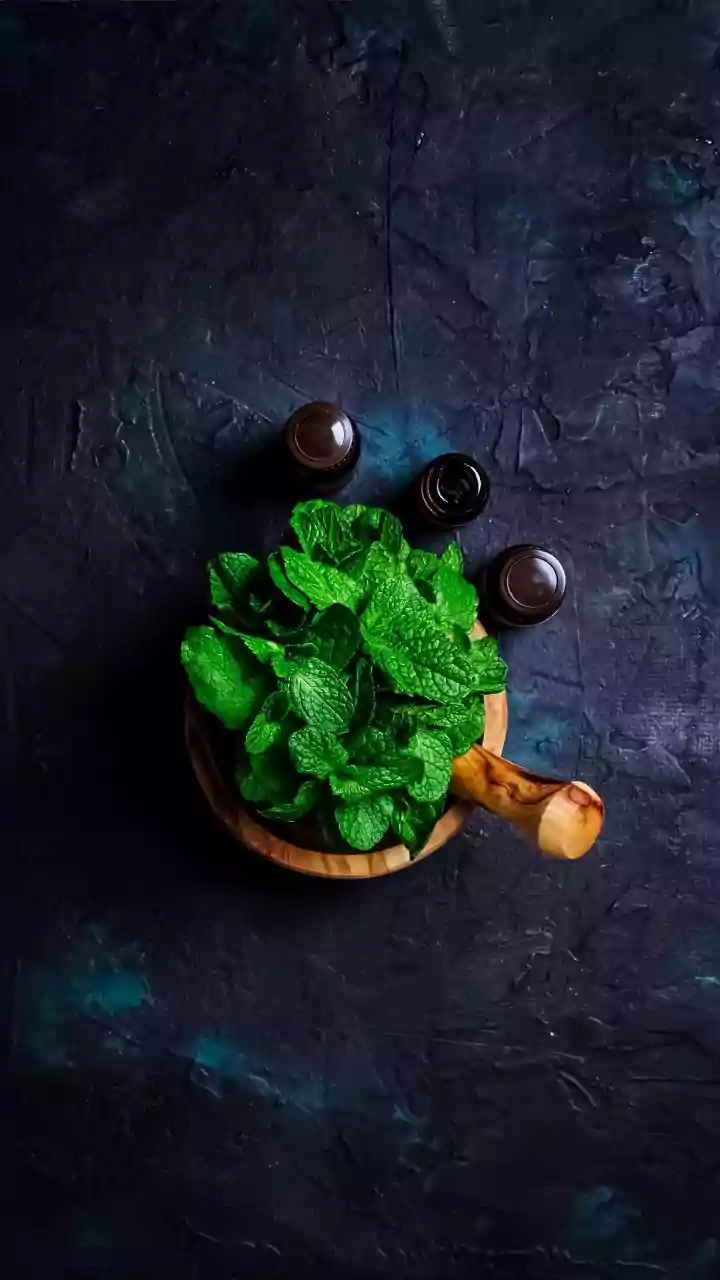
When a recipe calls for fresh mint or coriander leaves, the stems often end up in the bin. This is a missed opportunity for incredible flavour. These soft stems contain the same aromatic compounds as the leaves, sometimes in a more concentrated and punchy
form. Using them is a cornerstone of root-to-stem cooking, a sustainable practice that aims to use every part of the vegetable to reduce food waste and maximise flavour. By turning these 'scraps' into a valuable pantry staple, you’re not just saving money, you're creating something new and exciting from ingredients you already have. An infused oil made from these stems can elevate salads, marinades, and pasta, adding a fresh, herbaceous note that’s hard to replicate.
Choosing Your Ingredients: Oil and Stems
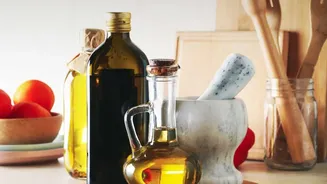
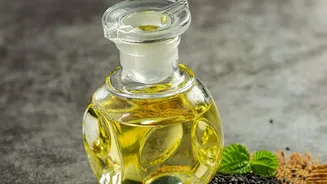
The foundation of a great infused oil is, of course, the oil itself. A neutral-flavoured oil like grapeseed or sunflower oil will allow the pure fragrance of the mint and coriander to shine through. However, a good quality extra-virgin olive oil is also an excellent choice, as its own peppery notes can complement the herbs beautifully. For the herbs, gather your leftover coriander and mint stems. These are considered 'soft' stems, meaning they are tender and full of flavour, perfect for this kind of application. Before you begin, it’s crucial to wash the stems thoroughly and, most importantly, dry them completely. Any moisture left on the herbs can promote bacterial growth and spoilage in the finished oil, so pat them dry with a clean cloth or give them a spin in a salad spinner.
The Warm Infusion Method: A Step-by-Step Guide
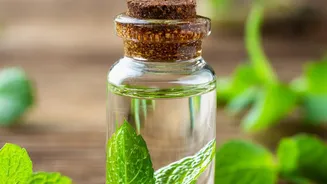
While you can simply let herbs steep in oil for weeks (a cold infusion), a gentle heating method is much faster and coaxes out the flavour effectively. Start by roughly chopping your clean, dry coriander and mint stems to increase their surface area. Place one part herbs and about ten parts oil into a heavy-bottomed saucepan. Gently heat the mixture over a very low flame. You want the oil to become warm, but not hot—aim for a temperature of around 60-65°C. You should not see it bubble or sizzle. Let the stems steep in the warm oil for anywhere from 30 minutes to an hour, keeping the heat low and consistent. Turn off the heat and allow the oil to cool down to room temperature completely with the stems still inside. The longer it steeps, the more intense the flavour will become.
Straining and Storing for Safety
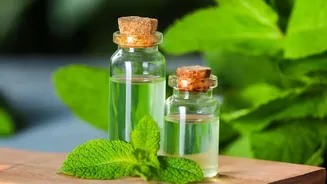
Once the oil has cooled and reached a flavour you’re happy with, it’s time to strain out the solids. Line a fine-mesh sieve with a few layers of cheesecloth and place it over a clean, sterilised glass jar or bottle. Pour the oil and stem mixture through the sieve, allowing it to drip through naturally. Avoid pressing on the solids, as this can make the final oil cloudy. Food safety is paramount with homemade infused oils. Because you've used fresh herbs, which contain water, the oil must be stored in the refrigerator to prevent the growth of harmful bacteria like Clostridium botulinum. Kept in an airtight container in the fridge, your infused oil should be used within four days to a week for the best flavour and safety. The oil may solidify and turn cloudy in the cold, but it will return to its normal state at room temperature.
How to Use Your Fragrant Oils
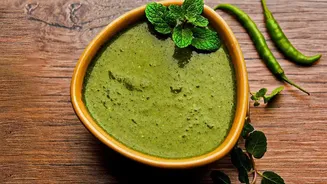
Now for the fun part: using your homemade creation. These fragrant oils are incredibly versatile. The coriander oil, with its bright, citrusy notes, is perfect for drizzling over dal, roasted vegetables, grilled fish, or tacos. You can also whisk it into a simple vinaigrette for a flavourful salad dressing. The mint-infused oil is wonderful in Mediterranean and Middle Eastern dishes. Try it over a fresh tomato and cucumber salad, mix it into yogurt to create a simple dip, or use it to finish a lamb or chicken dish. Don't be afraid to experiment. Use them as a finishing oil, swirling them over soups or pasta just before serving to add a final burst of fresh flavour that will make your dish sing.