





Your Senses in a High-Altitude Desert
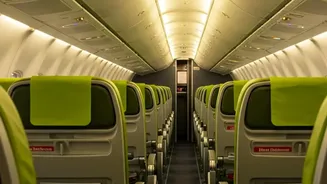
The first culprit is the air itself. At a cruising altitude of 35,000 feet, the airplane cabin is pressurized to the equivalent of standing on a mountain top between 6,000 and 8,000 feet high. This lower air pressure, combined with extremely low humidity
levels—often below 12%, which is drier than most deserts—creates a hostile environment for your taste buds. Studies have found this combination can reduce your sensitivity to sweet and salty flavors by as much as 30%. It’s a bit like trying to enjoy a gourmet meal while you have a head cold; your senses are simply not operating at full capacity.
When Your Nose Can't Smell
Flavor is a partnership between taste and smell, with your nose doing up to 80% of the work. But the desert-dry cabin air quickly dehydrates the mucous membranes in your nasal passages. These membranes need to be moist for aroma molecules to register properly. When they dry out, your ability to detect the complex scents that give food its character plummets. The result is that a fragrant curry or a robust glass of red wine can taste surprisingly flat. The low humidity also reduces saliva production, making it harder for your taste buds to receive flavor signals from food in the first place.
The Unexpected Flavor Killer: Noise
Beyond pressure and humidity, there's a third, surprising factor: the constant drone of the airplane's engines. The background noise in a cabin, which typically hovers around 85 decibels, has been shown to interfere with how our brains perceive taste. Research from institutions like Cornell University found that this loud, continuous sound specifically suppresses our ability to taste sweetness. Interestingly, this same noise appears to enhance the perception of 'umami,' the fifth basic taste associated with savory and rich flavors. This neurological quirk is a major reason why many people who never touch tomato juice on the ground find themselves craving it in the air. Tomatoes are packed with umami-rich compounds called glutamates, which cut through the sensory fog.
How Airlines Fight Back with Flavor
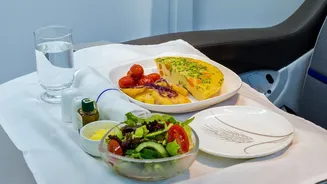
Airlines and their caterers are well aware of this sensory sabotage and design their menus accordingly. They can't just pile on more salt and sugar, as that would be unhealthy and could worsen dehydration. Instead, they lean into ingredients that hold up well at altitude. Chefs intentionally use foods that are naturally high in umami, such as tomatoes, mushrooms, parmesan cheese, and soy sauce, to ensure dishes have a satisfying depth. They also favor curries, spicy sauces, and acidic dressings, as our perception of sour, bitter, and spicy notes remains largely unaffected by the cabin environment. Many airlines even conduct taste tests in simulated cabin conditions to perfect their recipes before they ever reach your tray table.