




Struggling with thick, unmanageable hair that puffs out at the sides? You're not alone. The search for a sleek profile has made one style a modern hero: the undercut. But how does it really stack up against a classic all-scissors approach?
What Exactly Is an Undercut?
At its core,
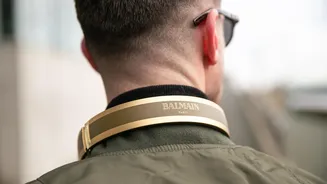
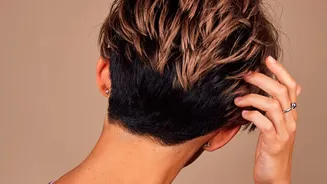
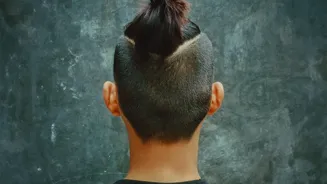
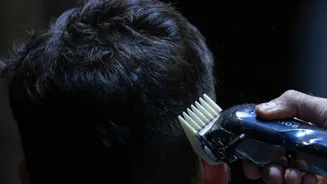
an undercut is a hairstyle where the hair on the top of the head is kept significantly longer than the hair on the sides and back. The key feature is the contrast, often creating a 'disconnected' look where the long top hair hangs over the much shorter sections. These shorter sections are typically achieved with clippers, which can shave the hair down to a very short, uniform length. This isn't just a single style but a technique that can be paired with long hair, bobs, quiffs, and pompadours, offering a huge range of versatility.
The Traditional Scissor Cut Approach
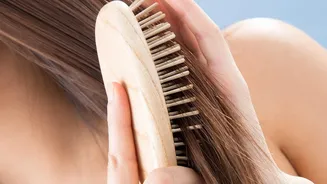
A traditional even-length or layered scissor cut takes a different philosophy. Instead of creating a stark contrast, a stylist uses scissors to blend the hair, creating a softer, more cohesive shape. Techniques like layering, point cutting, and slide cutting are used to manage volume and remove weight, but the goal is to create natural movement and a shape that grows out gracefully. While scissors can certainly remove bulk, the approach is more about sculpting and texturizing the existing length rather than removing entire sections of hair.
The Key Difference: Drastic Bulk Reduction
The headline's claim is spot-on: undercuts are champions of bulk removal. Because clippers take the hair down to the scalp or very close to it, they physically eliminate the density and weight that causes hair, especially thick hair, to look wide or helmet-like. A traditional scissor cut can thin out hair using blending shears or layering techniques, but it leaves more length and, therefore, more inherent volume. An undercut, particularly a 'disconnected' one, removes the problem hair entirely, allowing the longer top section to lie much flatter and closer to the head. This is why it's a game-changer for those with extremely thick and dense hair.
Who Is the Undercut Best For?
Undercuts are a fantastic solution for individuals with very thick, coarse, or curly hair who want to reduce volume and maintenance time. By removing the hair on the sides, it makes styling quicker and cools the head, which is a bonus in warmer climates. However, this style is less ideal for those with fine or thin hair. Removing side volume can sometimes make the hair on top appear even thinner by contrast, although some strategic styling can help mitigate this. A professional stylist can help determine if an undercut will complement your face shape and hair density.
Considering a Scissor Cut Instead
While not as dramatic for bulk removal, a scissor-led cut has its own advantages. It offers a softer, more classic look and tends to grow out more gracefully than the sharp lines of an undercut. If you prefer a style with more natural movement or need a conservative look for a professional environment, a well-executed scissor cut is often the better choice. It provides the stylist with more control to tailor the shape to your specific head shape and growth patterns, which is ideal for managing cowlicks or uneven density.
Maintenance, Upkeep, and the Grow-Out Phase
Here's the trade-off: the sharp, clean look of an undercut demands frequent maintenance. The buzzed sections grow out quickly, and you'll likely need a trim every 3 to 4 weeks to keep the lines crisp. A scissor cut is often more forgiving, stretching to 5 or 6 weeks between appointments as the softer lines blend more easily during regrowth. Growing out an undercut can also be an awkward process, sometimes taking months or even years to even out the length, depending on how long the top is. This commitment is a crucial factor to consider before taking the plunge.
How to Talk to Your Barber or Stylist
To get the cut you want, clear communication is key. Bringing photos is always the best strategy. For an undercut, specify the clipper guard number you want for the sides (e.g., 'a number 2') and discuss how high up you want the shaved section to go. Use terms like 'disconnected' for a sharp contrast or 'faded' if you want a gradual taper. For a scissor cut, talk about the problems you want to solve, such as 'reducing bulkiness at the sides' or 'adding movement'. A good stylist can then recommend the best techniques to achieve your goal.