
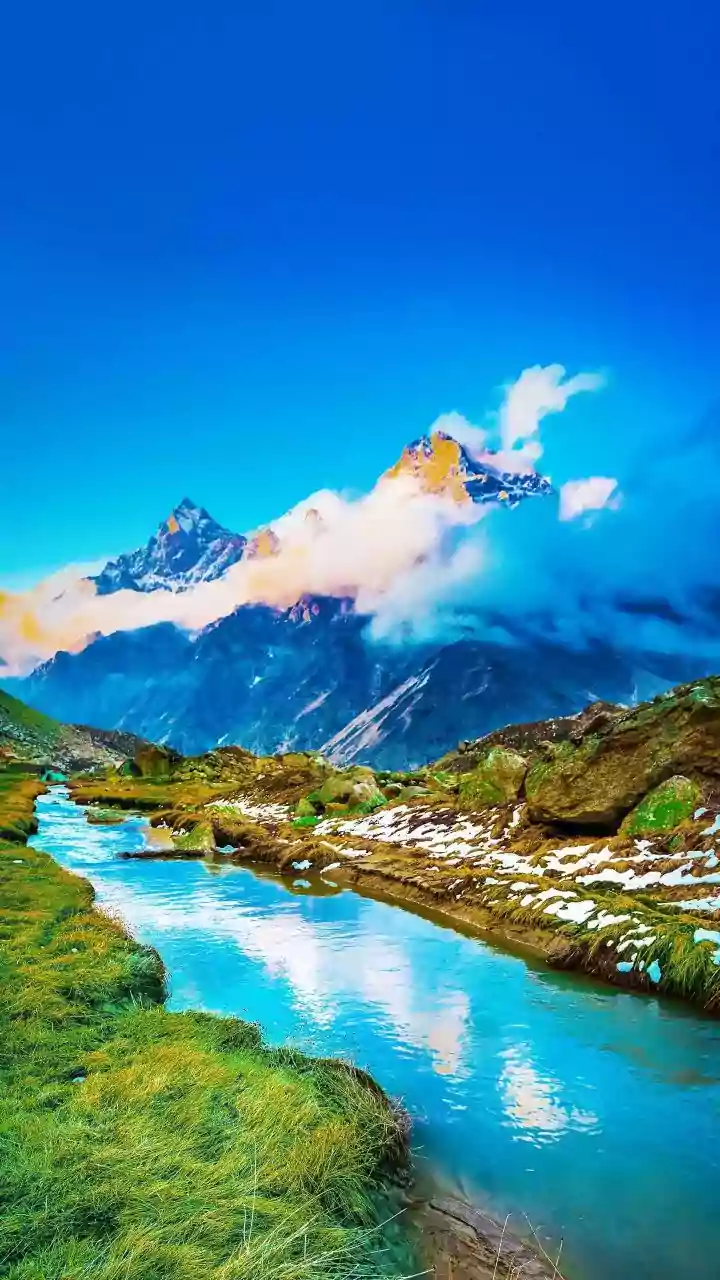
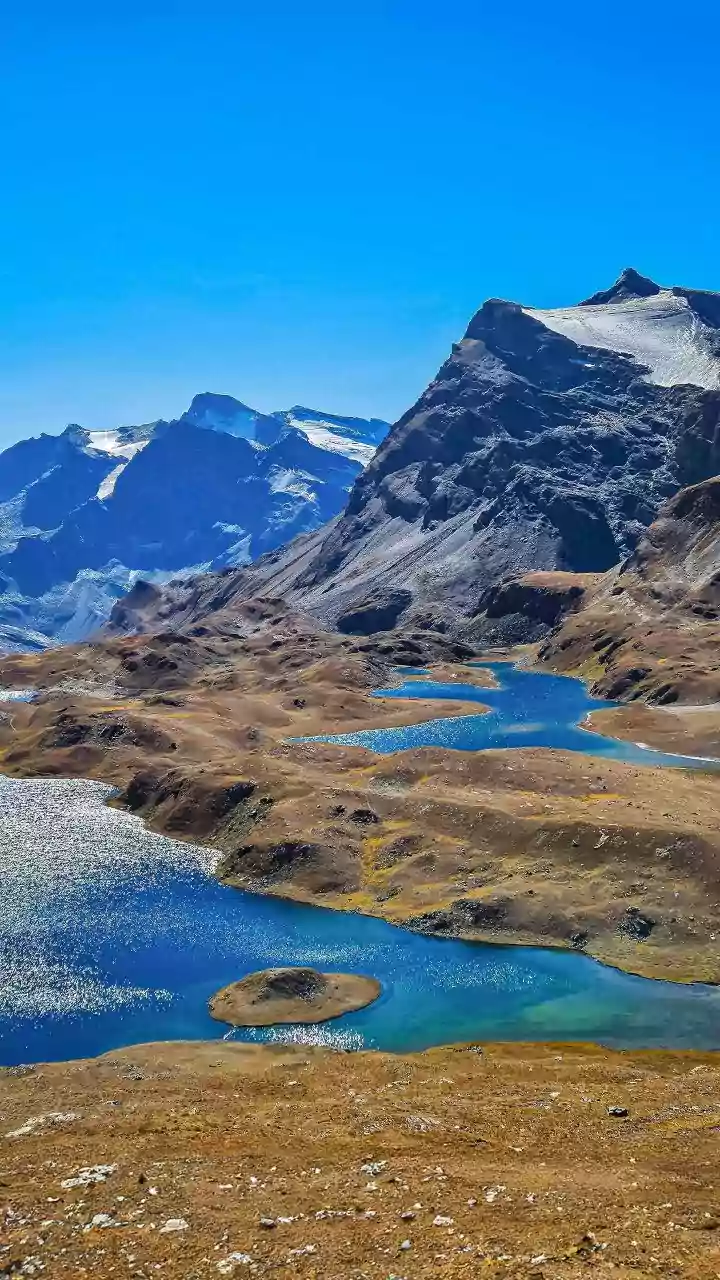
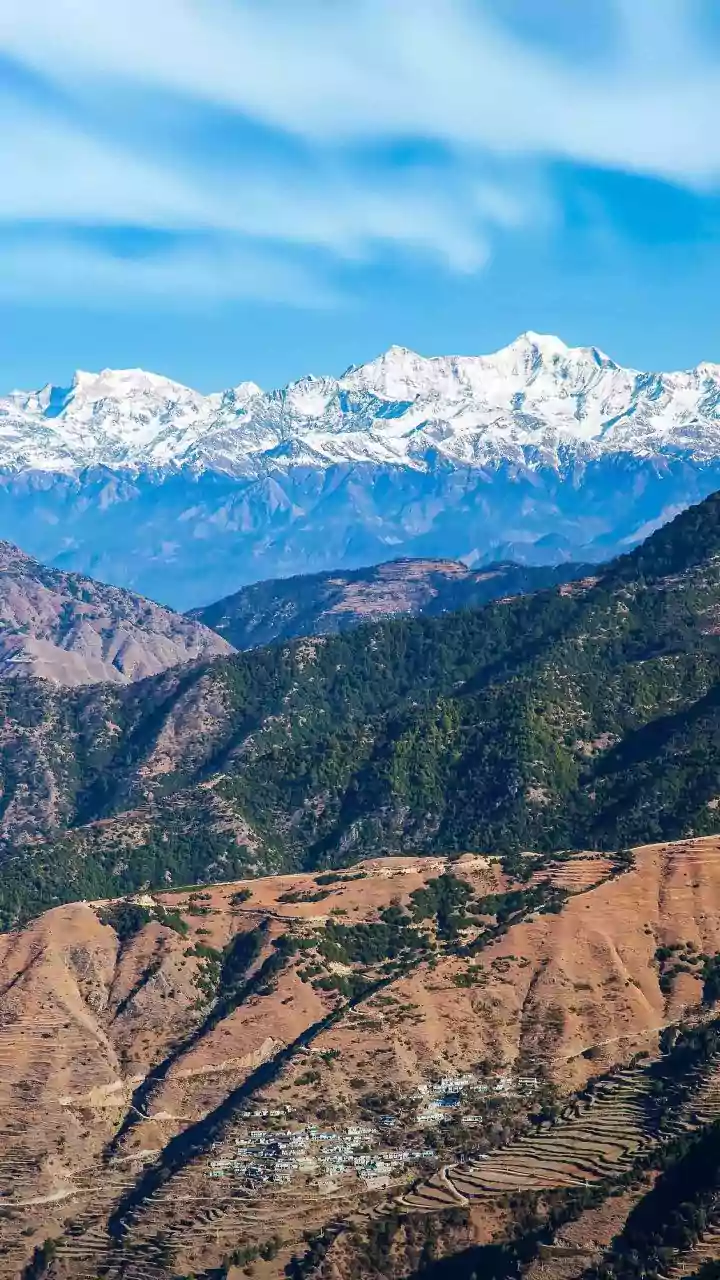


The relentless pace of city life has sparked a quiet migration. Fed up with pollution and burnout, a growing number of urban professionals are trading high-rise apartments for Himalayan homes in the serene forest villages of Uttarakhand.
The Great Urban Exodus
For years, the
narrative has been one of migration from villages to cities in search of opportunity. But a powerful counter-trend is now taking root, driven by professionals from Delhi, Mumbai, and Bengaluru. The shift, accelerated by the widespread adoption of remote work, is less about finding a job and more about finding a better way of life. Professionals are escaping the tangible pressures of urban centres—traffic, noise, poor air quality—and the intangible ones, like chronic stress and a disconnect from nature. This pursuit of well-being has turned their gaze towards the mountains, where the promise of clean air, open spaces, and a slower rhythm of life is becoming an irresistible alternative to the daily grind.
Uttarakhand's Unique Allure
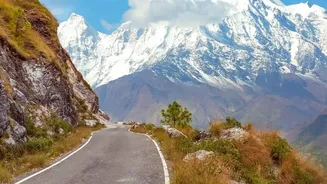
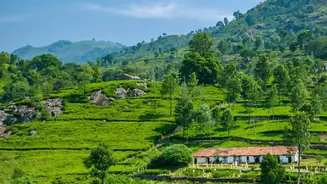
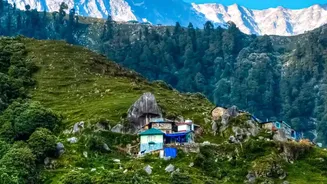
So, why Uttarakhand? The state offers a compelling mix of accessibility and remoteness. For those in North India, it's a manageable drive away, making it practical for long stays or a 'work from the hills' lifestyle. But its main draw is the landscape itself. The Kumaon and Garhwal regions are dotted with small, picturesque villages surrounded by dense forests of oak, pine, and rhododendron. These areas provide not just stunning Himalayan views but also a deep sense of tranquility. Furthermore, the state is a spiritual and wellness hub, which resonates with those looking for a holistic lifestyle change. The recent rollout of high-speed fibre internet and reliable 5G in many of these once-remote hamlets has been the final piece of the puzzle, making a mountain workation not just a dream but a practical reality.
Hotspots of a Quiet Revolution
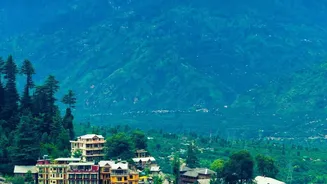
While established towns like Nainital and Mussoorie have long been popular, this new wave of urbanites is venturing into lesser-known villages. Areas around Mukteshwar, Almora, and Ranikhet are particularly sought after. Villages such as Peora, Hartola, and Kasar Devi offer a perfect blend of quietude and connectivity. These hamlets are becoming known for their boutique homestays and cottages, often run by locals or by city dwellers who made the move themselves. Destinations like Sarmoli near Munsiyari have even developed community-led eco-tourism models, where visitors can experience authentic Kumaoni culture. These are not bustling tourist centres but quiet retreats where the main attractions are forest walks, birdwatching, and stargazing.
A New Kind of Villager
The demographic of these new residents is diverse, including tech professionals, writers, artists, and entrepreneurs. They are not just buying second homes; many are relocating for months at a time, enrolling their children in local schools, and integrating into the community. This trend is fuelling a real estate boom in these quiet corners, with land prices in desirable locations like Mukteshwar seeing significant appreciation. Websites and services have sprung up to cater specifically to this market, offering verified long-stay rentals with tested Wi-Fi and power backup. However, this influx is not without its challenges. The 2025 Uttarakhand land laws place restrictions on property purchases by non-residents in rural areas, a factor that newcomers must navigate carefully.
The Double-Edged Sword of Development
This urban-to-rural shift presents a complex picture. On one hand, it brings investment and new livelihood opportunities to areas that have historically suffered from out-migration, potentially revitalizing 'ghost villages'. The growth of homestays and eco-tourism, often managed by local communities, helps keep revenue within the village. On the other hand, rapid and unplanned development in this fragile ecosystem carries significant risks. The conversion of agricultural land into built-up areas, coupled with increased pressure on water resources and infrastructure, raises serious environmental concerns. There is a growing awareness of the need for sustainable practices to ensure that the very peace and natural beauty drawing people to Uttarakhand are not destroyed in the process. The challenge lies in balancing economic growth with the preservation of the region's unique culture and ecology.