




Partake in Kerala’s Onam Sadhya
The end of the monsoon coincides with Chingam, the first month of the Malayalam calendar, which brings Onam, Kerala's most significant festival. At its heart is the Onam Sadhya, a magnificent vegetarian banquet served on a banana leaf. This elaborate
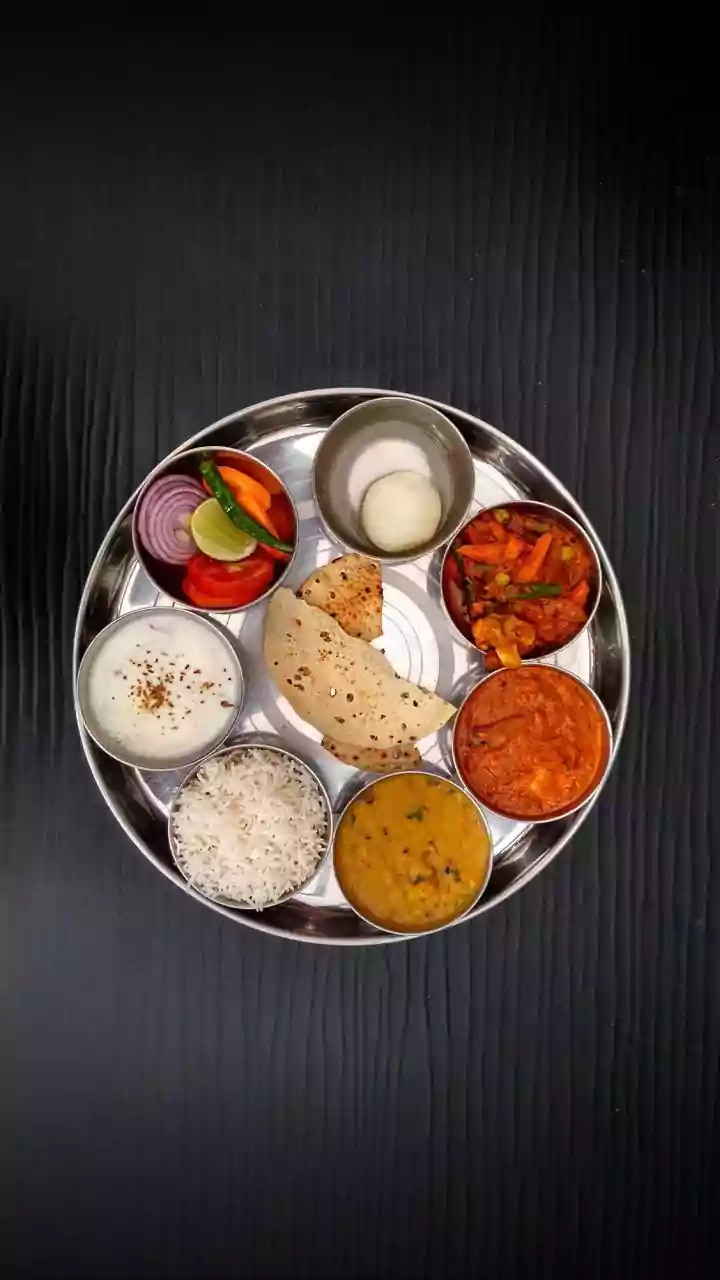
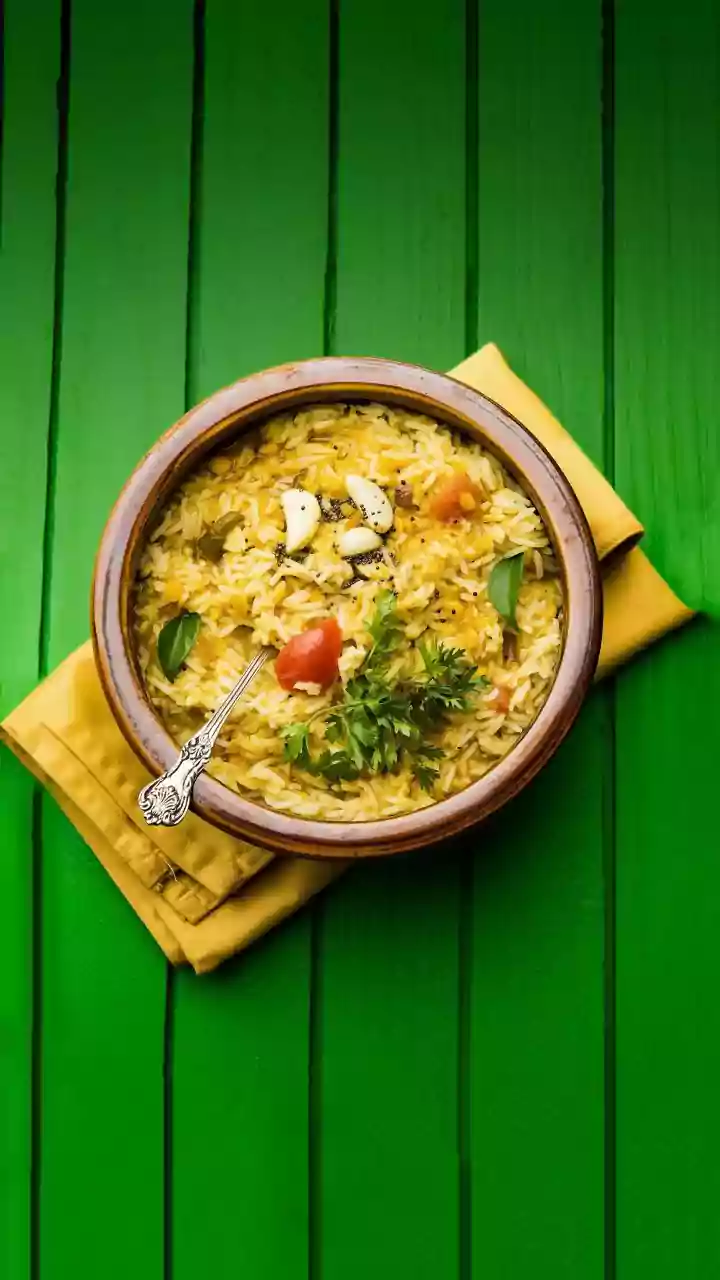
feast, celebrating the harvest and the return of the mythical King Mahabali, can feature over 26 dishes. The experience is a symphony of flavours, from the initial serving of parippu curry (lentil stew) with ghee, to tangy pulissery, rich avial (mixed vegetables in coconut), and multiple varieties of sweet payasam to finish. It’s more than a meal; it's a cultural immersion into Kerala’s spirit of abundance and togetherness.
Celebrate the New Rice at Odisha’s Nuakhai
In Western Odisha, the Bhadrapada month (late August/early September) marks Nuakhai, an agrarian festival that translates to 'new food'. It is a celebration of the season's first harvested rice. The day begins with the new grains being offered to the local deities before being cooked. The head of the family then distributes the 'nua' or new rice to every member. The celebratory meal is extensive, featuring special preparations like arisa pitha (sweet rice pancake), kakra (a sweet, deep-fried dumpling), and mutton curry. The festival is also marked by 'Nuakhai Juhar', where younger members seek blessings from elders, reinforcing community bonds.
Feast on Modaks during Ganesh Chaturthi
While celebrated across India, Ganesh Chaturthi in Maharashtra offers a particularly sweet experience. The festival, which often falls at the tail end of the monsoon, is synonymous with the modak, a sweet dumpling considered to be Lord Ganesha's favourite. The most traditional version is the ukadiche modak—a delicate, steamed rice-flour dumpling filled with a fragrant mixture of fresh coconut and jaggery. Homes and sweet shops buzz with activity, preparing these and other festive treats like puran poli and karanji. Participating in the festival offers a chance to sample these lovingly prepared sweets, often as 'prasad' or a blessed offering.
Relish Fresh Hilsa in West Bengal
The monsoon is the prime season for hilsa, or 'ilish', Bengal's most revered fish. As the fish swim upstream from the Bay of Bengal to spawn in the rivers, they become plump and full of flavour. The period from mid-July to mid-September is considered the best time to enjoy large, succulent hilsa. From the classic Shorshe Ilish (hilsa in a pungent mustard gravy) to the simpler Bhapa Ilish (steamed hilsa) and Ilish Paturi (hilsa steamed in banana leaves), Bengali kitchens create magic with this seasonal delicacy. Visiting a traditional Kolkata market or a riverside restaurant during this time is an experience every seafood lover should have.
Discover Monsoon Greens like Pathrode
The monsoon brings a bounty of greens, and one of the most unique preparations is pathrode (or patra/alu vadi). Popular along the western coast in Karnataka, Goa, and Maharashtra, this dish uses colocasia (taro) leaves, which grow profusely during the rains. The leaves are smeared with a spiced paste—often made from rice flour, gram flour, coconut, and tamarind—then layered, rolled into logs, steamed, and finally sliced and pan-fried. The sourness of tamarind or other agents is crucial to balance the leaves' natural itchiness. It’s a labour of love that transforms a humble leaf into a delicious, savoury snack.
Go Foraging for Wild Mushrooms
In the damp forests of the Himalayan foothills, Goa, and parts of Eastern India like West Bengal and Jharkhand, the late monsoon is the season for wild mushrooms. Indigenous communities have foraged for these fungi for generations, possessing deep knowledge of which varieties are edible. From the fleshy 'rugda' found near Sal trees in Jharkhand, often called 'vegetarian mutton', to the 'olmi' that grows on termite mounds in Goa, these mushrooms are a prized delicacy. Several groups now organise foraging walks, offering a safe and educational way to connect with nature and discover these unique, earthy flavours that appear for only a few weeks a year.
Enjoy a Classic Bhutta by the Roadside
Sometimes the simplest experiences are the most memorable. The quintessential Indian monsoon snack is bhutta, or roasted corn on the cob. As the rains ease up, you’ll find vendors across the country roasting ears of corn over hot coals, the air filled with a smoky aroma. The hot cob is then rubbed vigorously with a slice of lime dipped in salt, chilli powder, and chaat masala. Whether you're enjoying it at a scenic viewpoint in a hill station, along a windswept promenade like Mumbai's Marine Drive, or simply on a city street, the combination of smoky, tangy, and spicy flavours is the perfect farewell to the season.