




The Green Stage: High in Resistant Starch
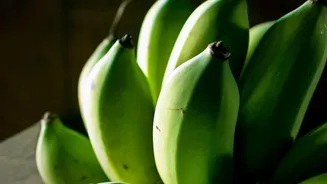
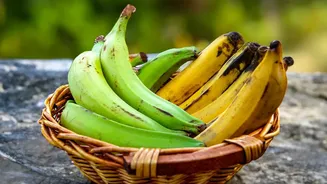
An unripe, green banana is firm, slightly bitter, and has a texture some describe as waxy. At this stage, it is packed with resistant starch. Resistant starch is a type of carbohydrate that, as its name suggests, 'resists' digestion in your small intestine.
Instead, it functions much like dietary fibre, travelling to the large intestine where it feeds beneficial gut bacteria. This process has two major benefits for blood sugar management. First, because the starch isn't broken down into sugar quickly, it doesn't cause a rapid spike in blood glucose levels. Unripe bananas have a low glycemic index (GI), with values estimated to be around 30 to 42. This slow energy release makes them a favourable choice for individuals managing diabetes or anyone aiming for more stable blood sugar. The high fibre and resistant starch content also promotes a feeling of fullness, which can aid in weight management.
The Yellow Stage: The Balanced Sweet Spot
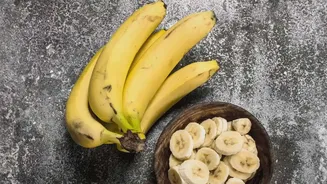
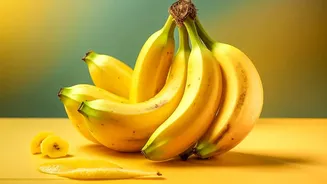
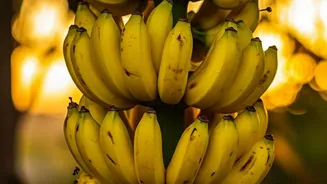
As a banana ripens and turns yellow, a significant chemical change occurs: enzymes begin breaking down the complex resistant starches into simple sugars like glucose and fructose. This is why a yellow banana is noticeably sweeter and softer than a green one. While the sugar content is higher, a just-ripe yellow banana is still considered a healthy choice for most people. Its glycemic index is typically in the low to medium range, often cited around 51. The fibre content helps slow the absorption of these sugars, preventing the dramatic blood sugar spikes that might come from other sweet foods. This stage represents a balance—it’s sweet and easy to digest while still providing valuable nutrients like potassium and vitamin B6. For those needing a readily available source of energy, such as before a workout, a yellow banana is an excellent option.
The Spotted Stage: Peak Sugar and Antioxidants
When a banana's peel develops brown spots, it signals that most of its starches have converted to sugar. These bananas are at their sweetest and are much easier to digest because the complex carbohydrates are gone. Consequently, their glycemic index is higher, potentially reaching into the 60s or even low 70s, which is in the medium to high range. This means they will raise blood sugar more quickly than their less ripe counterparts. While someone managing blood sugar closely might need to be more cautious with this stage, spotted bananas have their own unique benefits. As they ripen, the levels of antioxidants also increase. These compounds help protect the body's cells from damage. The soft, sweet nature of overripe bananas makes them perfect for baking, smoothies, or as a natural sweetener, reducing the need for added sugars in recipes.
Which Banana Is Right for You?
The 'best' banana truly depends on your individual health goals and needs. There is no universally 'good' or 'bad' stage of ripeness; each offers a different set of advantages. If your primary concern is blood sugar control or improving gut health, a firmer, greener banana is the superior choice due to its high resistant starch and low sugar content. If you are looking for a quick, balanced energy source for daily activity or a pre-exercise snack, a perfectly yellow banana offers a great mix of accessible energy and nutrients. For those who need a rapid energy boost, have no issues with blood sugar, or are looking for a natural sweetener for cooking and baking, the sweet, spotted banana is ideal. Regardless of ripeness, pairing a banana with a source of protein or healthy fat, like nut butter or Greek yoghurt, can help further slow the absorption of sugar and moderate its impact on blood glucose.