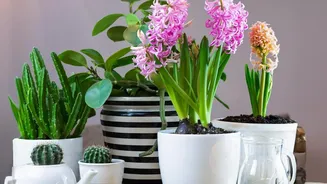




Rethink Your Watering Schedule
The single biggest mistake plant parents make during the monsoon is overwatering. With high humidity in the air, the soil in your pots dries out much slower than it does in summer. Sticking to a fixed schedule can quickly lead to waterlogged soil, which
suffocates the roots and causes them to rot. Instead, adopt the 'finger test': insert your finger about two inches into the soil. If it feels dry, it's time to water. If it's still moist, wait another day or two and check again. For many common indoor plants, this might mean watering only once every 10 to 15 days during the peak rainy season.
Ensure Excellent Drainage
Good drainage is your best defense against root rot, a common monsoon ailment. Ensure every pot has drainage holes at the bottom to let excess water escape. It's also crucial to empty the saucer or tray beneath the pot after watering or if any rainwater collects in it. Letting a pot sit in a tray full of water is a guaranteed way to invite root problems. For an extra layer of protection, you can place pots on small stands or bricks to elevate them, promoting better airflow and ensuring the drainage holes aren't blocked.
Maximise Available Light
The persistent cloud cover during the monsoon significantly reduces the amount of natural light your plants receive. This can lead to leggy, stretched-out growth and a loss of vibrant colour. To compensate, move your plants closer to windows, especially those facing east where they can catch the gentle morning sun. Regularly rotate your pots every few days to ensure all sides of the plant get some light exposure. It also helps to keep your window panes clean to allow the maximum amount of light to filter through.
Watch Out for Pests and Fungus
High humidity and damp soil create a perfect breeding ground for fungal diseases and pests like fungus gnats. Powdery mildew (a white, dusty coating on leaves) and leaf spot are common issues. To prevent them, improve air circulation by not crowding your plants too closely together. Water the soil directly, avoiding the leaves, as wet foliage encourages fungal growth. As a preventive measure, you can spray your plants with a diluted neem oil solution every 10-15 days. If you spot any affected leaves, prune them off immediately to stop the spread.
Use a Well-Draining Soil Mix
The right soil is crucial during the rainy season. Heavy, dense garden soil tends to retain too much water, which is a major problem in humid weather. When repotting, or if you're struggling with soggy soil, consider using a well-draining potting mix. These mixes typically contain ingredients like perlite, sand, or coco peat, which create air pockets and allow excess water to flow through easily, keeping the roots healthy and aerated. This simple switch can make a huge difference in preventing root rot.
Hold Back on Fertiliser
The monsoon is generally a period of slow growth for most indoor plants due to lower light levels. Because they aren't actively pushing out new leaves, they don't require as many nutrients. Fertilising during this time can do more harm than good, potentially leading to 'fertiliser burn' on the roots, which are already under stress from the damp conditions. It's best to reduce or completely stop feeding your plants during the rainy season and resume when the skies clear and growth picks up again.