





Smart Design from the Start
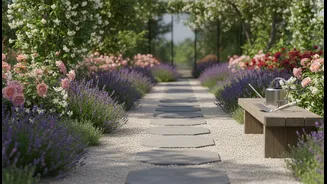
The secret to a low-maintenance fragrance garden begins before you even plant a single seed. Thoughtful planning can save you hours of work down the line. Start by considering the layout. Simple shapes and clear, wide pathways are easier to navigate and clean
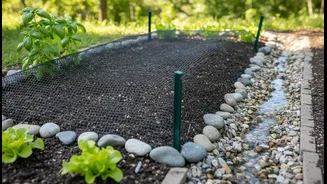
than complex, winding routes. Installing a permanent edge around your lawn or garden beds, using materials like brick or stone, eliminates the constant chore of trimming edges. Patios and decks can also reduce the amount of lawn and planting space that needs regular maintenance, while still providing a lovely area to sit and enjoy the aromas. Think about how air moves through your space; planting fragrant specimens near windows, doors, or seating areas ensures that gentle breezes carry their scent where you can most appreciate it.
Choose Your Fragrance Wisely
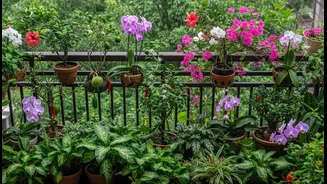
The right plants are the heart of your easy-care scent garden. Thankfully, many of India’s most beloved fragrant flowers are surprisingly low-maintenance. Consider classics like Mogra (Arabian Jasmine), whose intoxicating scent intensifies in the evening and thrives in pots on a balcony. Raat ki Rani (Night-blooming Jasmine) is another practically indestructible option that can perfume an entire garden after dusk. For a sacred and spiritual touch, the Parijat tree drops its fragrant white-and-orange flowers each morning, creating a scented carpet that is easy to collect. Others like Champa (Plumeria), Madhukamini (Orange Jasmine), and Rajnigandha (Tuberose) are also well-suited to Indian climates, offering powerful fragrances with minimal fuss. Choosing hardy perennials over annuals also means less replanting each year.
Container and Raised Bed Strategies
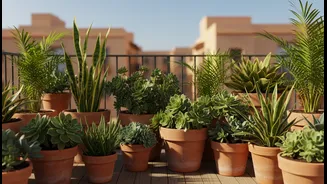
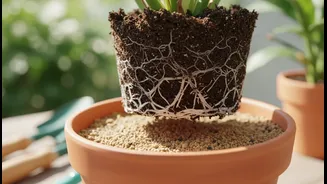
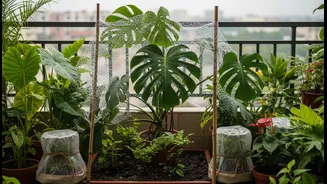
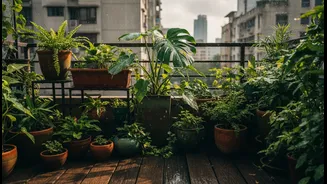
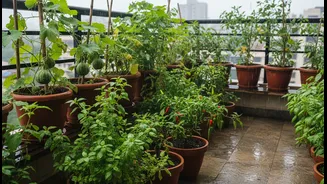
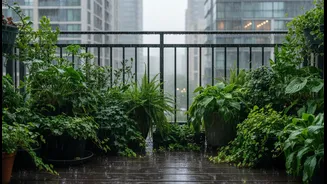
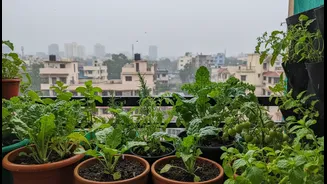
You don't need a large plot of land to create a fragrant oasis. Container gardening is a fantastic way to control your garden's environment and keep it tidy. Grouping plants in large pots is often easier than managing many small ones, as they dry out more slowly. Many fragrant powerhouses, including Mogra, Rajnigandha, and Roses, do very well in containers of at least 10-12 inches, which gives their roots enough space. Raised garden beds offer similar benefits, providing excellent drainage and limiting weed growth, which makes maintenance much more manageable. Placing these beds along a fence or patio, known as a border garden, can turn an underused space into a beautiful and productive feature without taking over your entire yard.
Mastering Tidy Maintenance Habits
Even the best-designed garden needs some care. The key is to make it efficient. Applying a 2-3 inch layer of mulch is one of the best time-saving tricks. It suppresses weeds, helps the soil retain moisture, and gives your garden beds a neat, polished look. Repurposing fallen leaves and grass clippings as a natural mulch can enrich your soil for free. Regular deadheading (removing spent flowers) encourages new blooms and keeps plants looking tidy. Instead of letting chores pile up, tackle quick and easy tasks first to build momentum. Pruning should be done strategically; for many shrubs, this is best done right after they finish flowering to ensure you don't accidentally remove next year's buds. Finally, keeping your tools clean and organized in a designated spot means you're always ready for a quick garden task.