


The Rise of the Green Kitchen Nook
The idea of bringing plants into the kitchen isn't new, but the focus on activating small, forgotten corners is a fresh take on indoor gardening. Driven by a collective desire for wellness and a connection to nature, this trend sees countertops, windowsills,
and empty floor spaces as prime real estate for greenery. It’s a movement away from the occasional windowsill herb pot to a more intentional 'gardenette.' Experts note that small-space gardening has become more creative than ever, with a growing range of products and plants making it accessible to everyone. This approach is about more than just aesthetics; it's about creating a calming, breathing element in the heart of the home, purifying the air, and even boosting your mood.
Why Your Kitchen Is the Perfect Spot
Your kitchen might just be the best room in your house for many plants. The humidity from cooking and washing dishes creates a microclimate that many popular houseplants, like ferns, absolutely adore. Furthermore, kitchens often have good sources of natural light from windows, which is essential for plant health. Having plants in the kitchen also offers tangible benefits. Studies have shown that indoor plants can improve air quality by filtering common airborne chemicals, which is particularly useful in a cooking environment. Plus, there's the undeniable joy and convenience of snipping fresh herbs like basil or chives right where you need them for a meal.
Choosing the Right Plants for Your Corner
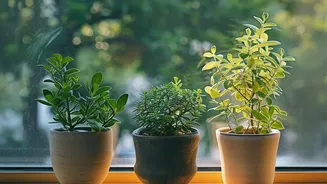
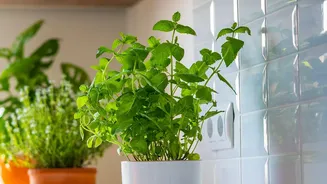
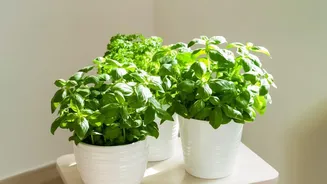
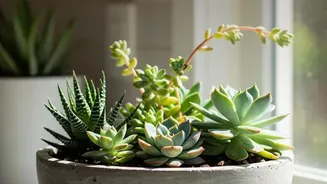
The success of your kitchen garden corner depends on selecting the right plants. For lower-light corners, hardy options like the Snake Plant or Pothos are excellent choices as they are tolerant and great air purifiers. If you have a brighter spot, an Aloe Vera plant is not only beautiful but also serves as a natural first-aid kit for minor kitchen burns. For those who love humidity, a Boston Fern can thrive near a sink. And of course, no kitchen garden is complete without edibles. Basil, mint, parsley, and chives are all great options for a sunny windowsill or a countertop planter, ready to be added to your next dish.
Creative Design and Placement Strategies
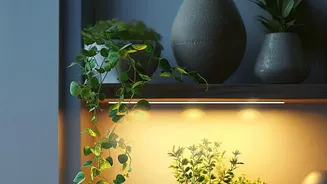
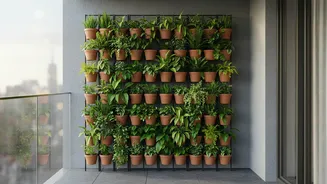
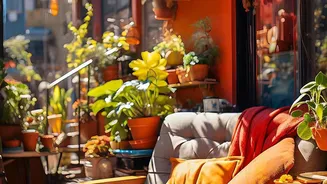
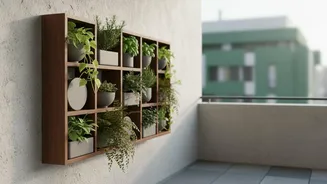
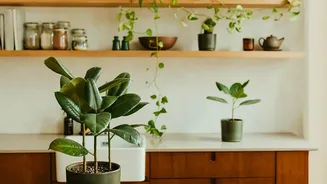
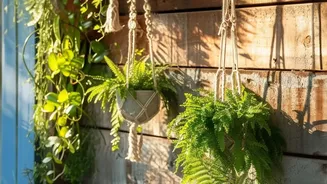
Maximizing a small corner is all about thinking vertically. Tiered plant stands can hold multiple pots without taking up much counter space, while wall-mounted shelves or hanging planters draw the eye upward and free up valuable prep areas. You can even repurpose items like an old ladder to stack pots or use a tension rod in a window to hang smaller plants. When arranging your plants, group them in clusters of varying heights and textures for a more lush, curated look. Choose pots and containers that complement your kitchen's decor, whether it’s rustic terracotta or sleek, modern ceramic. The goal is to make the corner feel like an integrated part of your kitchen's design, not an afterthought.
Simple Care in a Busy Space
Keeping your kitchen plants happy doesn't have to be a chore. The key is consistency. Since vertical gardens and small pots can dry out faster, check the soil every few days. Watering needs will vary, but a good rule is to water when the top inch of soil feels dry. Remember that kitchens can have temperature fluctuations, so try to keep plants away from direct heat from the oven or stove. Give the leaves a gentle wipe every so often to remove any dust or grease that might accumulate. Most importantly, observe your plants; they will often show you what they need, whether it's more light or less water.