
Venus: The Dazzling Evening Star
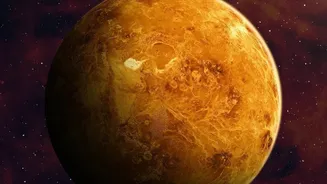
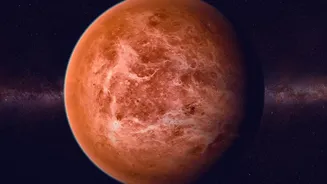
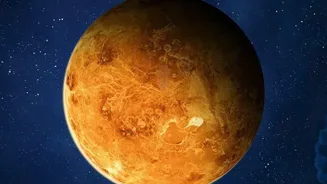
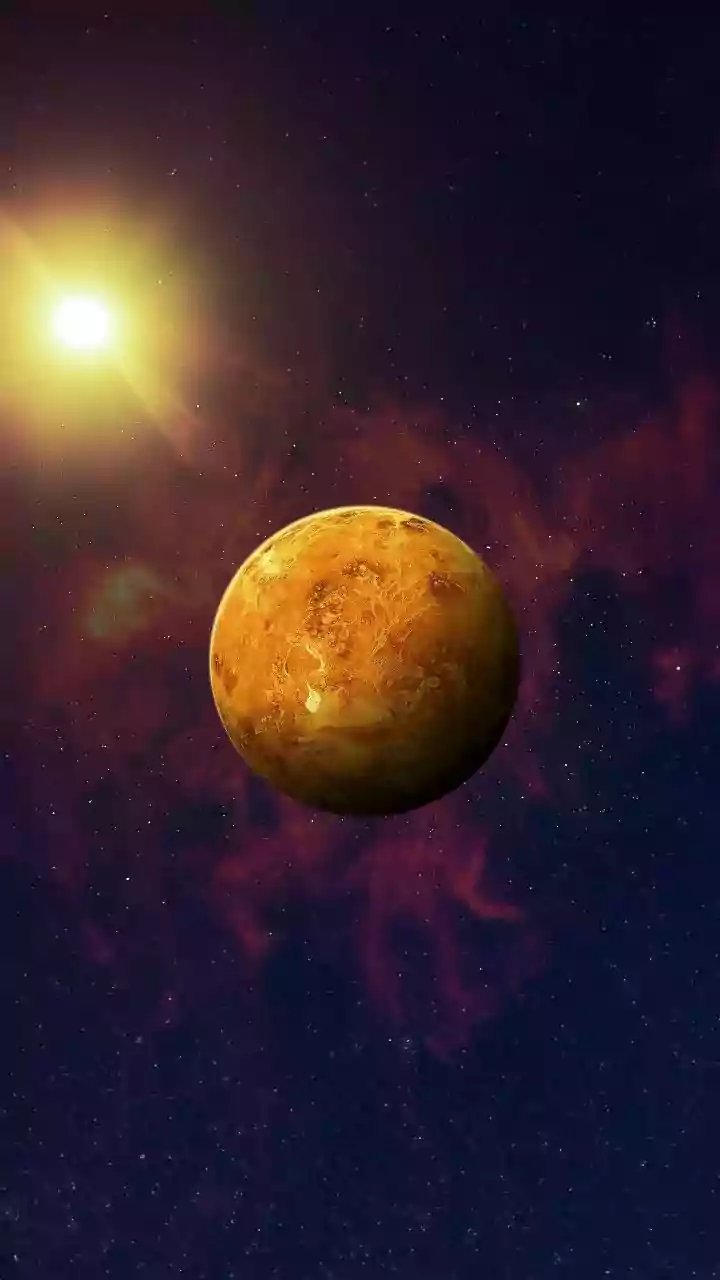
You simply cannot miss Venus this month. Look to the western sky right after sunset, and you will spot a brilliantly bright, steady light that outshines every star. Throughout August, Venus has been a dominant feature of the evening twilight. It reached
its greatest elongation—its farthest point from the sun in our sky—around August 15, making it sit high and bright. For the rest of the month, it remains an unmissable beacon. You don't need any special equipment; its powerful glow cuts through the evening haze, making it a perfect and easy target for city and rural skywatchers alike. As a bonus, watch for it to get closer to the bright star Spica as we head into September.
Saturn: The Ringed Jewel
While Venus rules the evening, Saturn is the star of the late-night show. The famous ringed planet is getting brighter as it heads towards its opposition in early October, when it will be at its biggest and brightest for the year. Throughout late August, you can find Saturn rising in the eastern sky in the evening. By the end of the month, it will be visible by around 10 p.m. Look for a steady, yellowish point of light that doesn't twinkle like the stars around it. While its famous rings are only visible with a telescope, identifying the planet with your naked eye is a rewarding experience. On the night of August 30, the Moon will be near Saturn, making it even easier to locate.
Perseid Meteors: Catch the Final Act
The Perseid meteor shower, one of the year's best, peaked around August 12-13 under ideal moonless conditions. This created a spectacular display with up to 100 meteors per hour in dark locations. While the peak has passed, the show isn't completely over. The shower remains active until late August. If you find yourself under a clear, dark sky away from city lights in the pre-dawn hours, you still have a chance to spot a few lingering “shooting stars.” Your best bet is to look towards the northeastern sky after midnight, lie back, and be patient. Your eyes will need about 20-30 minutes to fully adapt to the darkness.
The Moon and A Faint Eclipse
The Moon is always a fascinating object to watch. Following the New Moon on August 12, it has been returning to the evening sky as a waxing crescent. But the main lunar event for the month is a deep partial lunar eclipse on the night of August 27-28, coinciding with the Full Moon. During this event, a large portion of the Moon will pass through Earth's darker shadow, causing it to appear noticeably dimmer. While some sources indicate this eclipse may not be visible from India, others suggest it will be visible across much of Asia, weather permitting. It’s worth checking local timings closer to the date for your specific location.
Quick Tips for Better Viewing
To make the most of your skywatching sessions, a little preparation goes a long way. First, try to get away from bright city lights; even a short drive to a darker area can dramatically improve what you can see. Second, check the weather forecast, as clear skies are essential, especially during the monsoon season. Give your eyes at least 20 minutes to adjust to the dark by avoiding looking at your phone screen. If you need a light, use a red flashlight to preserve your night vision. Finally, use a stargazing app like SkyView or Stellarium on your phone; it can help you identify planets and constellations with ease. Don't forget to bring a blanket or a comfortable chair to make the experience more enjoyable.