




Embrace the 'Something is Better Than Nothing' Mindset
The biggest hurdle during the festive season is often the 'all-or-nothing' mentality. If you can't manage your usual hour-long gym session, it's easy to skip it entirely. Instead, shift your perspective. A 15-minute walk, a quick series of stretches,
or even dancing energetically at a family function counts as movement. The goal is consistency, not perfection. Health experts note that your body responds to accumulated movement, meaning three 10-minute walks can offer similar cardiovascular benefits to one 30-minute session. Letting go of guilt over missed workouts and celebrating small efforts will keep your motivation intact. Aim for maintenance rather than significant gains during this busy period.
Master the Micro-Workout
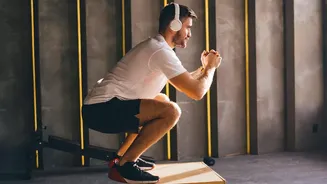
When your schedule is packed, short bursts of high-intensity activity can be incredibly effective. These 'micro-workouts' can be done in 10-15 minutes and often require no equipment. Think bodyweight exercises like squats, push-ups, lunges, and planks. You can do a few sets during a commercial break, while waiting for water to boil, or first thing in the morning. A simple routine could be 15 jumping jacks followed by a 30-second plank, repeated a few times. These brief sessions boost your metabolism, improve your mood, and keep your muscles engaged without needing a significant time commitment.
Schedule Your Sweat Sessions
Treat your workout like an important appointment. During the festive chaos, if it’s not on your calendar, it’s unlikely to happen. At the start of the week, look at your social commitments and block out specific, realistic times for exercise. This might mean a 20-minute session before your morning tea or a quick walk during your lunch break. Having a flexible plan allows you to adapt; if an evening celebration runs late, perhaps you can fit in a workout the next afternoon instead of feeling like you've failed.
Make Fitness a Social Affair
Instead of letting your social life compete with your fitness goals, merge them. Suggest active meetups with friends and family. This could be a group walk to see the festive lights, organising a friendly game of cricket or badminton, or even a post-dinner stroll with relatives. Many communities also host festive 'fun runs' or walks for charity, which can be a great way to get moving while supporting a good cause. Exercising with a partner or group helps with accountability and makes the activity feel less like a chore and more like a celebration.
Utilise Your Own Bodyweight
One of the biggest advantages of bodyweight exercises is that they can be done anywhere, anytime—no gym required. This is perfect for when you're travelling to visit family or simply can't get to the gym. A full-body circuit using exercises like squats, lunges, push-ups, planks, and crunches can provide both strength and cardiovascular benefits. You can find countless free workout videos online tailored to different fitness levels and time constraints. Even a simple routine of 10-15 minutes can be surprisingly effective at maintaining strength and energy levels.
Prioritise Sleep and Hydration
Late nights are a given during the festive season, but they can take a toll on your energy and motivation to exercise. While getting a full 7-8 hours of sleep might not always be possible, try to prioritise rest when you can. Even a short daytime nap can help with recovery. Similarly, stay hydrated, especially if you're consuming festive drinks and rich foods. Drinking plenty of water helps regulate your metabolism, reduces false hunger pangs, and keeps your energy levels stable, making it easier to stick to your fitness intentions.