


The Great Grain Swap
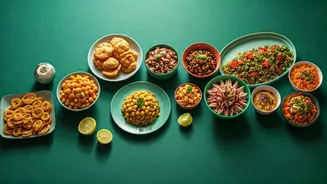
For generations, vrat meals have been dominated by staples like sabudana (tapioca pearls), sama ke chawal (barnyard millet), and kuttu ka atta (buckwheat flour). While these classics remain dear, a new wave of 'pseudo-grains' is making a grand entry.
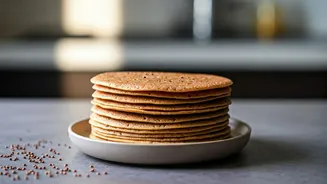
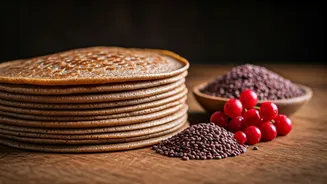
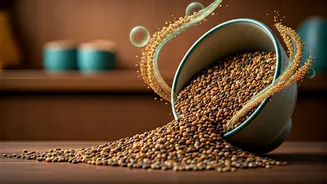
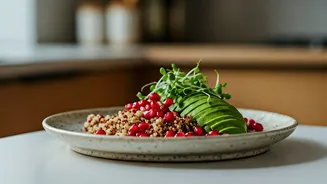
Quinoa, with its high protein content and fluffy texture, is now a popular substitute for rice or in salads. Similarly, amaranth seeds, once a humble ingredient, are being toasted and used as a crunchy topping or ground into flour for rotis and pancakes. This shift isn't just about novelty; it's driven by a desire for more nutritionally dense and diabetic-friendly options that keep energy levels stable throughout a long day of fasting, without compromising on the rules.
Baked, Not Fried
Let's be honest: many traditional vrat snacks are deep-fried delights. Sabudana vadas, aloo tikkis, and kuttu puris are delicious but can leave one feeling heavy and lethargic. The modern approach champions healthier cooking methods. Think air-fried or baked sabudana vadas that offer the same satisfying crunch with a fraction of the oil. Sweet potato slices, lightly seasoned with rock salt and black pepper, are baked into crispy 'fries'. Even kuttu rotis are now made on non-stick pans with minimal ghee. This trend reflects a broader wellness movement in India, proving that fasting food can be both indulgent and aligned with health goals.
The Superfood Infusion
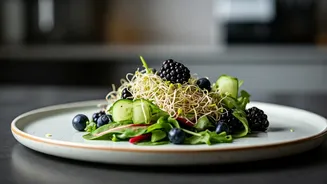
The modern vrat plate is often dotted with ingredients that were unheard of in a fasting context a decade ago. Chia seeds, permitted in many fasting traditions, are used to make a hydrating and filling pudding. A simple bowl of fruit gets an upgrade with a spoonful of chia seeds soaked in water or coconut milk. Avocado, with its creamy texture and healthy fats, is mashed with lemon juice and rock salt to create a vrat-friendly dip to accompany rajgira (amaranth) crackers. These additions are not just for show; they pack a punch of nutrients, fibre, and healthy fats, making the fast more sustainable and less taxing on the body.
Global Flavours, Indian Rules
Perhaps the most exciting twist is the fusion of global formats with vrat-compliant ingredients. Creative home cooks and chefs are crafting dishes that look and feel international but adhere strictly to fasting rules. Imagine a 'pizza' with a base made from buckwheat (kuttu) or water chestnut (singhara) flour, topped with a simple tomato puree (without onion or garlic), paneer, and bell peppers. Or consider 'tacos' where the shells are made from kuttu cheelas, filled with a spicy mix of potatoes and peanuts. This playful approach keeps meals exciting and proves that fasting doesn't mean eating the same few dishes on repeat.
Desserts Reimagined
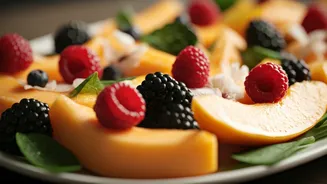
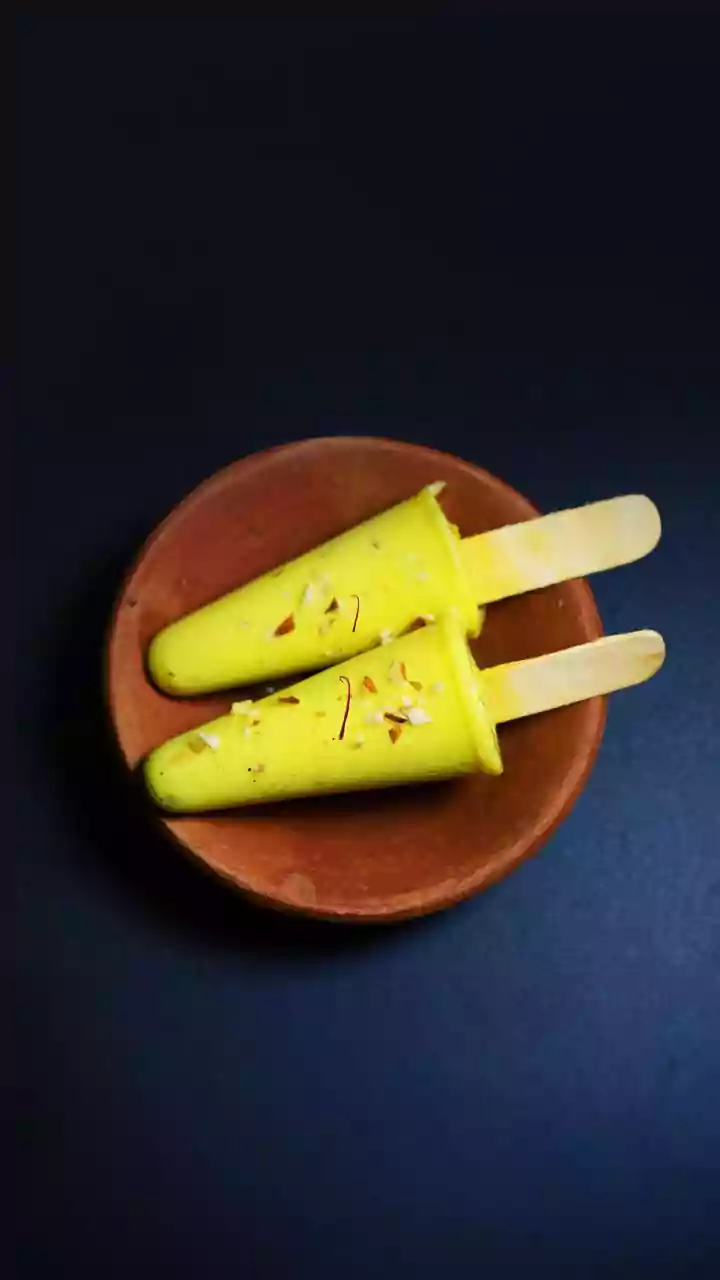
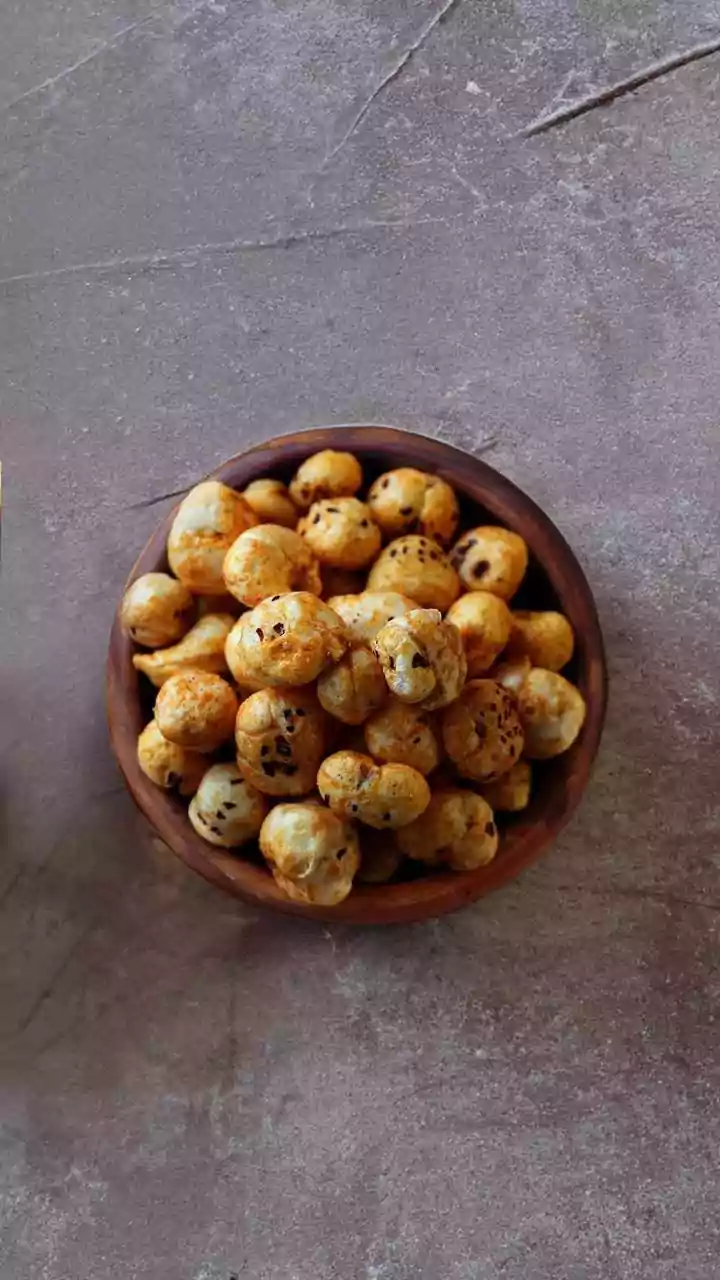
Vrat desserts are often rich and sugary, like sabudana kheer or lauki ka halwa laden with sugar and ghee. The modern sweet tooth, however, seeks cleaner alternatives. There's a strong move towards fruit-based desserts. Dates and figs are blended into a paste to sweeten dishes naturally, replacing refined sugar. Fruit salads are elevated into elaborate 'fruit chaats' with a squeeze of lemon and a sprinkle of rock salt. You'll also find makhana (fox nuts) roasted with a touch of jaggery instead of being made into a heavy kheer. These desserts satisfy cravings without the subsequent sugar crash, offering a light and refreshing end to a vrat meal.