

Peering Through Cosmic Curtains
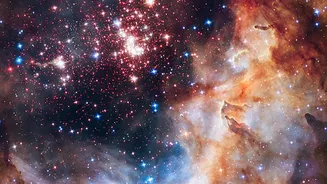
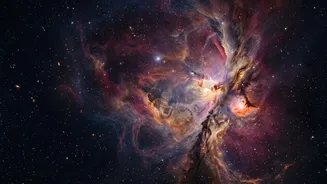
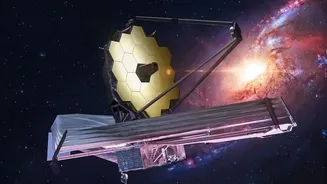
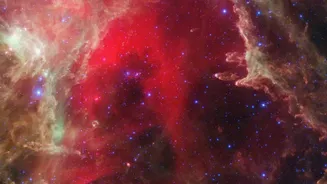
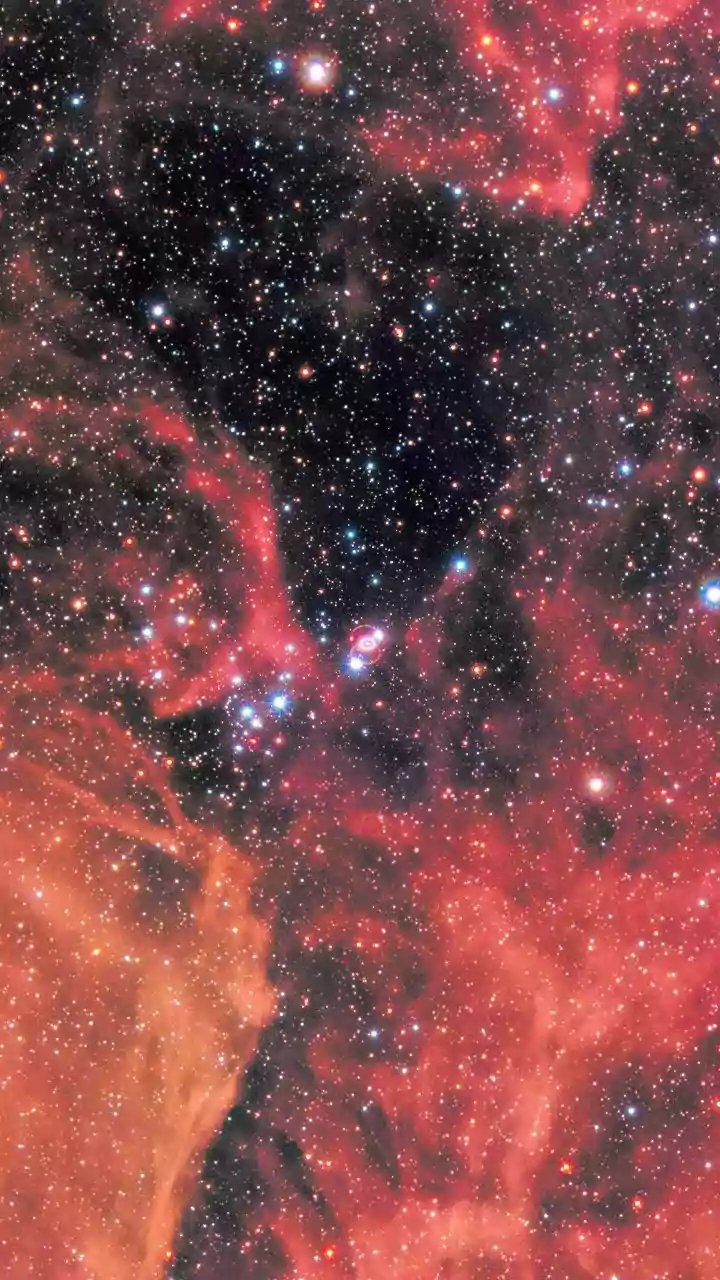
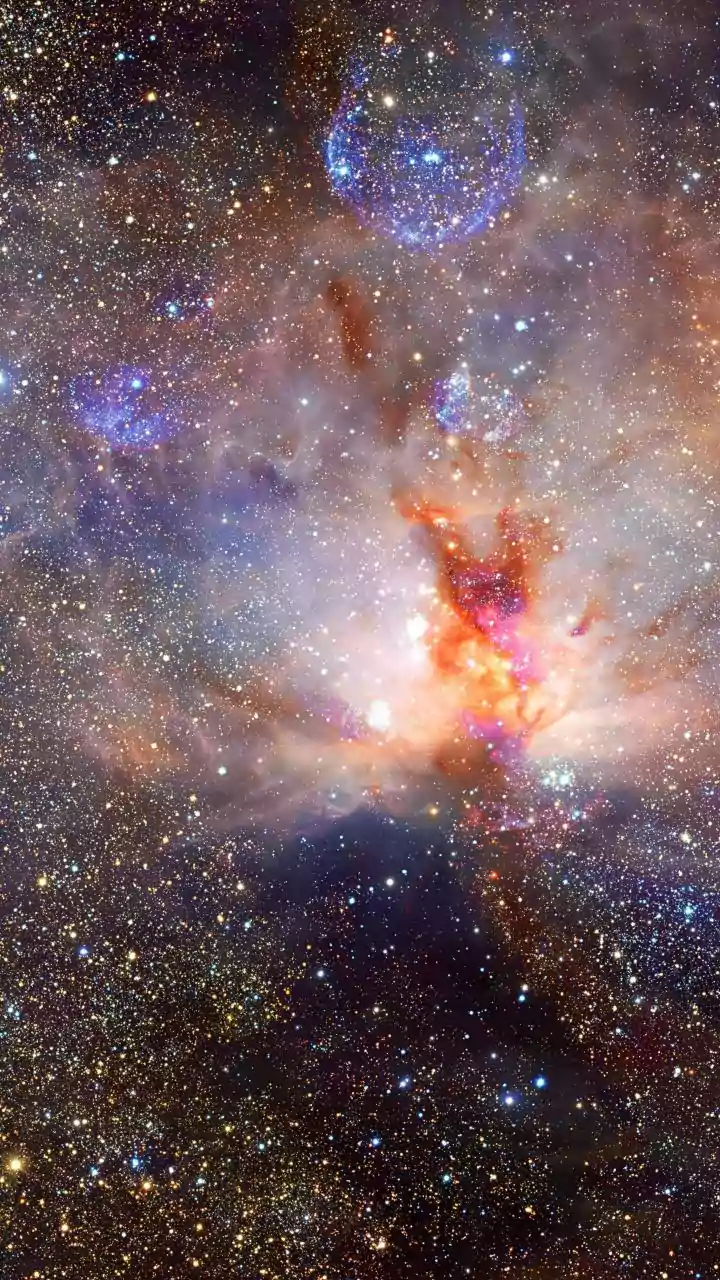
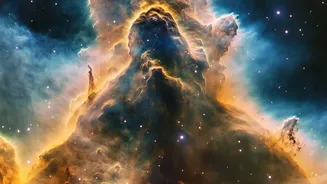
Before the James Webb Space Telescope, our view of stellar nurseries was like looking through a dusty window. These vast clouds of gas and dust, such as the famous Pillars of Creation, are where stars are born. However, the very dust that fuels star birth
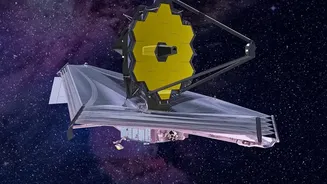
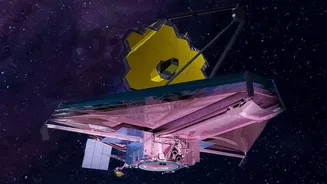
also obscures it from view for telescopes that see in visible light. JWST is a game-changer because it observes the universe in infrared light. This allows it to peer through the dense dust clouds, parting the cosmic curtains to reveal the intricate processes happening within. What it has found is a universe more active and complex than we ever imagined, providing crisp new details that are helping scientists revamp their models of star formation.
A Star's Violent First Breath
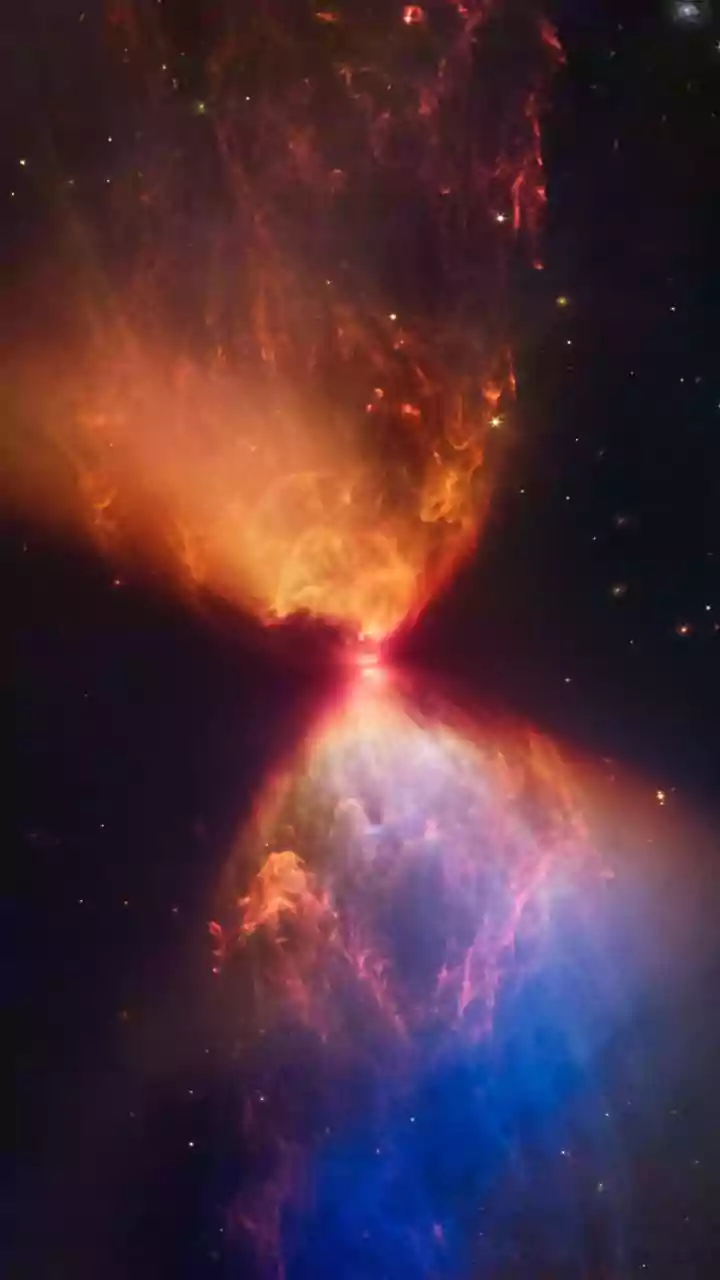
Star birth isn't a gentle flicker; it's a violent and chaotic process. JWST has provided stunningly detailed images of Herbig-Haro objects, which are luminous jets of gas fired into space from newborn stars. One spectacular example, HH 211, shows a young protostar—an infant version of our own Sun—blasting out opposing jets of material at supersonic speeds. These jets collide with the surrounding gas and dust, creating shockwaves that heat the material and cause it to glow. These outflows are a crucial part of a star's growth, helping it shed excess momentum as it gathers mass from the surrounding cloud. JWST’s high-resolution images reveal the intricate structure of these jets with a clarity that is five to ten times better than previous observations, showing a history of sporadic ejections and outbursts from the infant star.
Blueprints for Future Worlds
Where there are new stars, there is the potential for new planets. JWST is revolutionizing our study of protoplanetary disks—the swirling rings of gas and dust that orbit young stars and serve as the raw material for planet formation. Webb's instruments have confirmed a long-held theory: that icy pebbles from the cold, outer regions of the disk drift inward toward the star. As they get closer, the ice turns to vapor, enriching the inner disk with water—a key ingredient for life as we know it. However, JWST is also revealing surprising diversity. Some disks, like the one around the infant star XUE 10, are unexpectedly low in water but rich in carbon dioxide, challenging our simpler models of how planets form and acquire their chemical makeup. This chemical diversity in the planet-forming zones suggests there are many different pathways to building a solar system.
A Race Against the Wind
The process of building a planetary system is a race against time. Recent studies using JWST data on dozens of young, Sun-like stars have shown that these protoplanetary disks don't last forever. They are actively being blown away by powerful winds and jets driven by the young star's magnetic fields and intense radiation. Researchers have found that the way this gas escapes changes over time. Younger systems are dominated by powerful, magnetically-driven jets, while older disks are cleared out by slower, atomic winds. This means that large, gaseous planets like Jupiter must form quickly, gathering their massive atmospheres before the disk's raw materials are swept away. Understanding these disk-clearing winds is crucial to understanding the final architecture of a planetary system, including our own.