



The Digital Juggernaut Meets Its Match
India's Unified Payments Interface (UPI) has been nothing short of a revolution, processing over 20 billion transactions a month and accounting for a massive share of global real-time payments. During the festive rush, its convenience is undeniable. From
high-end electronics bought on EMIs to street-side snacks, a quick scan completes the transaction. This digital wave is expanding rapidly beyond metros, with Tier-2 and Tier-3 cities showing faster growth in digital transaction volumes than their metropolitan counterparts. In these emerging hubs, UPI is often the default payment method, not just an alternative. Yet, despite this digital dominance, cash is not fading away. In fact, the amount of cash in circulation is at an all-time high, suggesting India is becoming a 'dual-mode' economy rather than a cashless one.
Why We Still Love Cash
The persistence of cash is rooted in practicality and psychology. For many, especially in the informal economy and rural areas, cash remains the primary mode of transaction. It requires no smartphone, no reliable internet connection, and no electricity, making it a dependable fallback when digital systems fail. Network disruptions and transaction failures, which many users report experiencing, reinforce cash's role as a reliable backup. Beyond infrastructure, cash offers a sense of control and anonymity that digital balances don't. It helps in budgeting, as the physical act of handing over money can feel more tangible than a frictionless tap-and-pay transaction. This 'cash habit' is strong, particularly for smaller expenses up to ₹500, where it is often the preferred method.
The Merchant's Dilemma: Convenience vs. Cost
For retailers, the festive season amplifies the complexities of this dual-payment system. Small merchants, who have widely adopted QR codes, appreciate the immediacy of UPI payments. However, the introduction of a Merchant Discount Rate (MDR), a fee on certain high-value UPI transactions, has caused concern. Retailer associations have warned that these fees, though not paid by the customer, could push small businesses operating on thin margins back towards cash to avoid the extra cost. This creates a delicate balance for shopkeepers: embrace the seamlessness that digital-savvy customers expect or encourage cash to protect their profitability, especially as transaction values climb during festive shopping sprees.
A Tale of Two Shopping Carts
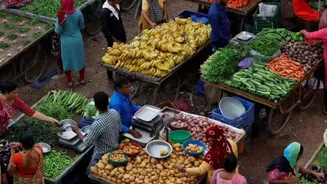
This hybrid behavior is visible across the shopping landscape. In urban malls and e-commerce platforms like Amazon, digital payments are king. Shoppers leverage 'Buy Now Pay Later' schemes, credit card EMIs, and UPI to make big-ticket purchases more affordable. Data from last year's festive season shows a massive surge in online order volumes and credit card spending. At the same time, in bustling local markets and with smaller vendors, cash transactions thrive. Here, the trust and simplicity of physical currency often outweigh the benefits of digital, both for the buyer and the seller. This split shows that the choice of payment is not just about technology but also about context, trust, and the nature of the transaction itself.
A Hybrid Future for India's Economy
The coexistence of cash and digital payments is more than just a temporary phase; it's a reflection of India's diverse economy. While the volume of digital transactions is exploding, cash in circulation continues to grow, indicating that UPI is capturing new transactions rather than just replacing cash. This dynamic is particularly pronounced in Tier-2 and Tier-3 cities, which are driving a significant portion of e-commerce growth and digital adoption while still maintaining strong ties to cash-based economies. The growth in both payment methods simultaneously suggests a deepening of the financial system, where different tools serve different needs across a varied demographic landscape.