

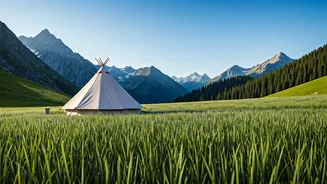


What is Eco-Camping?
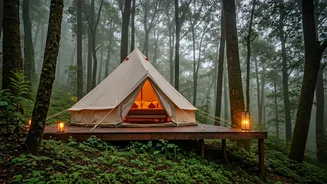
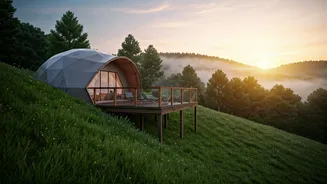
Eco-camping, or sustainable camping, is about more than just not littering. It’s a philosophy of travel that prioritises a minimal environmental footprint and a positive impact on local communities. True eco-camps are built on principles of conservation
and responsibility. This often includes using renewable energy sources like solar power, implementing robust waste management and water conservation systems, sourcing food and materials locally to support the regional economy, and offering activities that educate guests about the local ecology and culture. It's about immersing yourself in nature while actively helping to preserve it for future generations. When you choose an eco-camp, you're not just a tourist; you're a partner in conservation.
Himalayan Sanctuaries: Uttarakhand
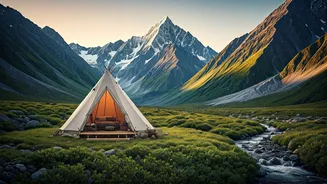
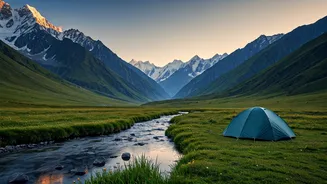
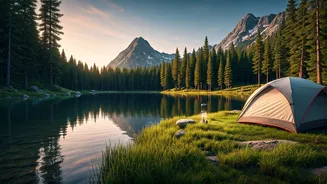
Nestled in the Garhwal and Kumaon ranges of Uttarakhand are some of India’s pioneering eco-camps. These high-altitude havens offer a perfect escape from the blistering summer of the plains. Imagine waking up in a comfortable but rustic tent or cottage with a view of snow-capped peaks like Nanda Devi or Trishul. Many camps here operate entirely off-grid, relying on solar panels for electricity and filtered spring water. Activities are centred on nature: guided treks through rhododendron forests, bird-watching expeditions to spot Himalayan monals, and village walks that offer a glimpse into the local Garhwali culture. Food is often a highlight, with meals prepared using organic produce grown in their own gardens or sourced from nearby farms. These camps offer a blend of raw nature and thoughtful comfort.
High-Desert Magic: Himachal & Ladakh
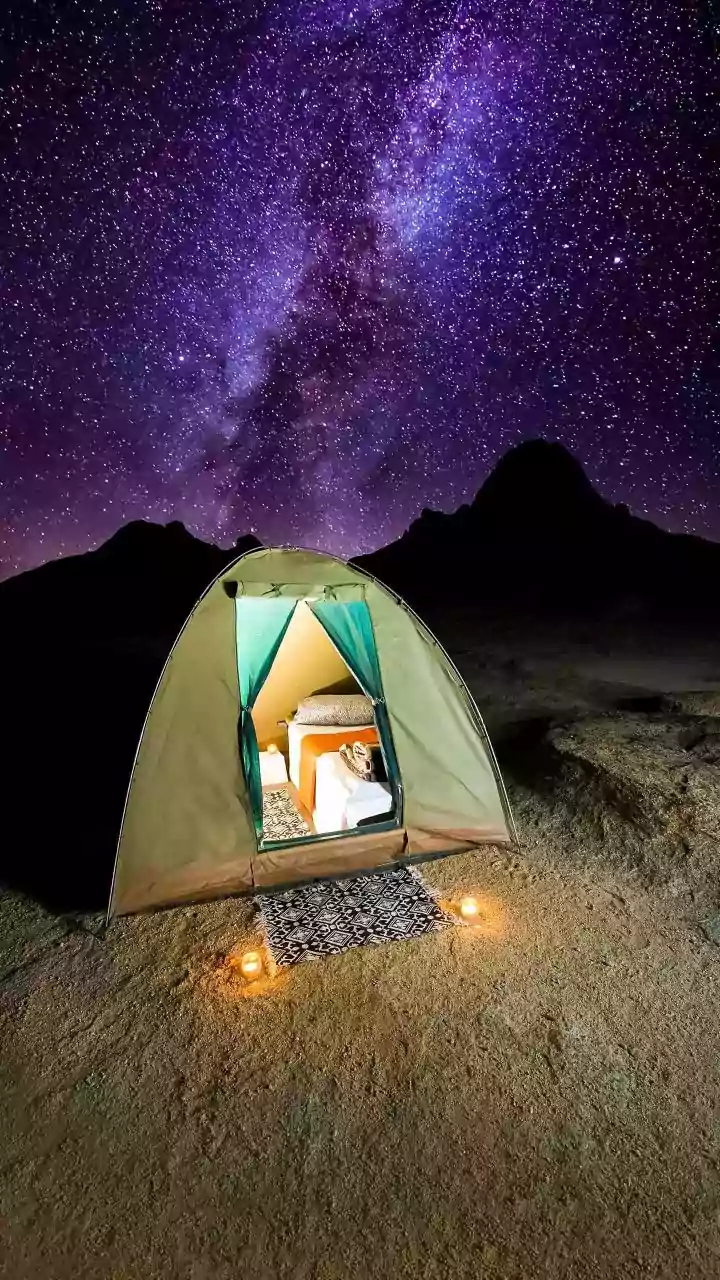
For a more dramatic and starkly beautiful landscape, the high-altitude deserts of Spiti Valley in Himachal Pradesh and parts of Ladakh are unparalleled. Here, eco-tourism often takes the form of community-run homestays and seasonal campsites. Staying in these places directly contributes to the livelihoods of the local communities who have inhabited these harsh but stunning lands for centuries. You can spend your days exploring ancient monasteries perched on cliffs, hiking to remote mountain lakes, and spotting wildlife like the elusive snow leopard (from a safe distance!). The camping experience is more rugged, often in traditional-style tents. The real luxury is the silence, the impossibly clear night skies for stargazing, and the profound connection to a landscape that feels truly untouched by the modern world.
Southern Escapes: The Western Ghats
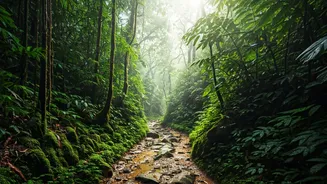
While not as high as the Himalayas, the peaks of the Western Ghats in states like Kerala and Tamil Nadu offer a lush, green alternative for an eco-camping weekend. Areas around Munnar, Wayanad, and the Palani Hills are home to unique shola forests and sprawling grasslands. Eco-camps and jungle lodges here are often situated within or near biodiversity hotspots, focusing on conservation and coexistence with wildlife. You can join naturalists on treks to learn about endemic flora and fauna, visit spice and tea plantations that practice sustainable farming, or simply relax to the symphony of the forest. These camps place a strong emphasis on protecting the fragile ecosystem, often participating in reforestation projects and anti-poaching patrols. It’s a different kind of mountain escape, one filled with the life and vibrancy of a tropical rainforest.
Packing Smart and Staying Safe
High-altitude travel requires careful preparation. Acclimatisation is key; ascend slowly and drink plenty of water to avoid altitude sickness. Your packing list should include layers of clothing—a warm fleece, a waterproof jacket, and thermal wear—as mountain weather is notoriously unpredictable. Sturdy, broken-in trekking shoes are non-negotiable. Also pack a good quality sunscreen, sunglasses, a hat, and a basic first-aid kit with medication for headaches and stomach upsets. A reusable water bottle and a portable water filter will help you stay hydrated while reducing plastic waste. Finally, a portable power bank is essential, as electricity can be limited, even in eco-camps.