




Understanding Your Crisper Drawer
Most of us believe the primary job of a produce drawer, or crisper, is to keep things cold. While temperature is a factor throughout the fridge, the drawer's real secret weapon is humidity control. Crisper drawers are designed to maintain a more humid environment
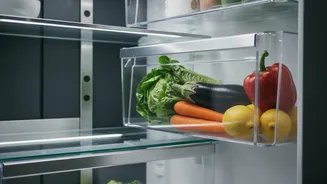
than the rest of your refrigerator, which helps prevent produce from drying out and wilting. Many modern fridges feature two drawers with adjustable vents. Closing the vent traps moisture, creating a high-humidity environment perfect for things that wilt, like leafy greens, spinach, and broccoli. Opening the vent allows moisture and gases to escape, creating a low-humidity setting ideal for produce that tends to rot, such as apples, pears, and avocados. The general rule is simple: vegetables in high humidity, fruits in low humidity.
The 'Out of Sight, Out of Mind' Problem
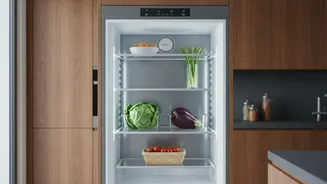
Even with perfect humidity, the biggest culprit behind produce waste is often a simple lack of visibility. If your fruits and vegetables are buried in an opaque, overcrowded drawer, you are far less likely to use them before they spoil. This “out of sight, out of mind” phenomenon is a major contributor to household food waste, which has significant financial and environmental costs. Forgotten produce is essentially wasted money. An organised system where you can see everything at a glance makes you more likely to grab that half-used bell pepper or the bag of carrots for dinner. Some refrigerator models now feature transparent drawers, but even with older, opaque ones, strategic organisation is key.
Strategies for a Visible System
Transforming your crisper from a chaotic pile into an organised system is straightforward. The first step is to see what you have. Instead of tossing produce in its original, bulky packaging, consider transferring items to clear, reusable containers or bags. This not only makes items easier to identify but also helps with stacking and partitioning the space. Another effective method is the “first in, first out” principle used in restaurants. Place older items at the front of the drawer where you’ll see them and use them first, and stock newer purchases behind them. This simple rotation ensures nothing gets lost in the back to become a science experiment.
Mastering the Art of Separation
Beyond humidity, you also need to manage ethylene gas. Many fruits, including apples, bananas, and melons, naturally release ethylene as they ripen, a gas that can cause other nearby produce to spoil prematurely. Ethylene-sensitive vegetables like broccoli, leafy greens, and carrots can turn yellow, bitter, or wilt when exposed. This is why separating fruits from vegetables is crucial, and the two-drawer system is ideal for this. Dedicate your low-humidity drawer to ethylene-producing fruits, where the open vent allows the gas to escape. Use the high-humidity drawer for ethylene-sensitive vegetables, protecting them from the ripening gas and providing the moisture they need to stay crisp.
Helpful Tools and Final Tips
You don't need expensive gadgets to achieve crisper clarity. Simple tools like clear bins, drawer dividers, or even labelled zip-top bags can make a huge difference. Lining the bottom of your drawer with paper towels can help absorb excess moisture and make cleanup easier. For best performance, a crisper drawer should be about two-thirds full; overcrowding prevents proper air circulation, while being too empty can negate the humidity benefits. Finally, conduct a quick weekly audit. Before your next grocery trip, take a look in the drawer to see what needs to be used up. That floppy celery or slightly soft carrot might be perfect for a soup or stir-fry, saving it from the bin and saving you money.