



The National Picture: A Decade-Low Dilemma
Recent data from the Central Water Commission paints a concerning picture. As of late September 2026, water storage in India's 178 major reservoirs stood at just 70% of their combined capacity, which is significantly below the decade-long average. The
situation is particularly acute in Southern India, where reservoirs are at only 50% of their capacity, a steep drop from the previous year. States like Maharashtra and Tamil Nadu are already grappling with drought-like conditions and severe water shortages. This national crisis, driven by a deficient monsoon and changing climate patterns, underscores the urgent need for conservation at every level. While large-scale solutions are essential, collective action starting from our households can create a powerful ripple effect.
In the Bathroom: Where Most Water Is Wasted
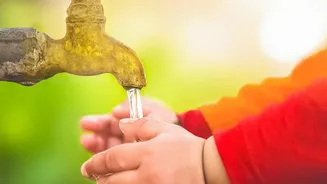
The bathroom is often the site of the highest water consumption in an Indian household. A few mindful adjustments here can lead to substantial savings. Start by choosing a shower over a bath, as a quick 5-minute shower uses significantly less water. A simple but effective habit is to turn off the tap while brushing your teeth or lathering soap, a practice that can save thousands of litres per year. Consider collecting the initial 'warm-up' water from your shower in a bucket; this clean water is perfect for flushing toilets or watering plants. Another classic Indian method is to use a bucket and mug for bathing, which gives you complete control over the amount of water used. Finally, conduct a regular check for leaks in taps and toilet cisterns. A single dripping tap can waste a surprising amount of water over time.
The Conscious Kitchen: Smart Culinary Habits
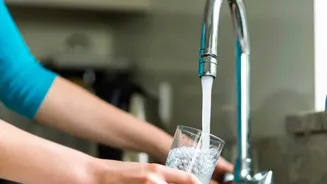
Your kitchen is another key area for water conservation. Instead of washing fruits and vegetables under a running tap, use a bowl of water. The leftover water can then be used for your houseplants. When washing dishes by hand, fill up one basin with soapy water for washing and another with clean water for rinsing, rather than letting the tap run continuously. If you use a dishwasher, make sure to run it only with a full load to maximize efficiency. One of the most significant sources of water wastage in modern kitchens comes from RO purifiers, which can discard 2-3 litres of 'reject water' for every litre purified. Collect this water in a clean container; it's perfectly suitable for mopping floors, cleaning balconies, or flushing toilets.
Efficient Laundry and Cleaning
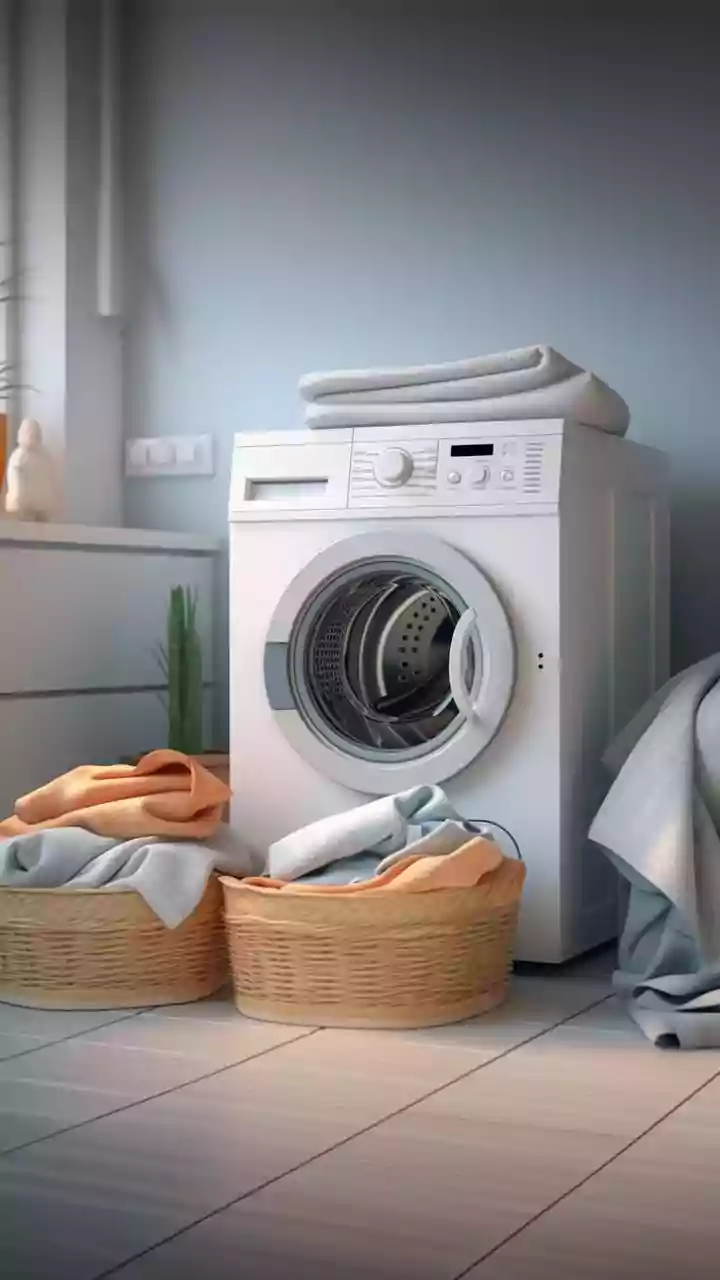
When it comes to laundry, the golden rule is to always wash with a full load. This ensures you get the most out of every cycle and the water it consumes. For smaller items, consider handwashing, which uses significantly less water than a machine cycle for just a few clothes. Many households already reuse the final rinse water from the washing machine, which is relatively clean, for mopping floors or cleaning outdoor areas. This simple practice gives every litre of water a second life before it goes down the drain. By adopting these mindful habits, cleaning your home and clothes doesn't have to come at a high environmental cost.
Thinking Beyond the Taps
Water efficiency extends beyond your indoor plumbing. If you have a garden, water your plants early in the morning or late in the evening to reduce evaporation. Applying mulch to your plant beds can also help the soil retain moisture for longer. When it comes to cleaning your car or driveway, opt for a bucket and sponge instead of a high-pressure hose, which can use a tremendous amount of water in a short time. The goal is to cultivate a mindset of water consciousness, constantly asking yourself if there's a more efficient way. Every bucket saved is a contribution to easing the strain on our nation's precious water resources.