





From Traditional Thalis to Processed Plates
For generations, the Indian diet was anchored in cereals, pulses, and seasonal vegetables. However, factors like rising incomes, rapid urbanization, and the increased availability of packaged goods are reshaping this landscape. The consumption of traditional
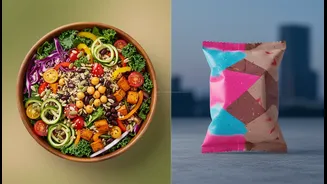
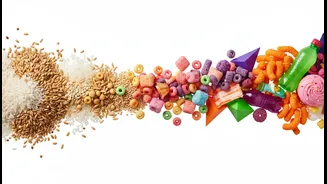
staples like coarse cereals is declining, while intake of fats, sugars, animal products, and ready-to-eat meals is on the rise. This 'nutrition transition' means that while diets may be more diverse in one sense, they are also becoming heavier in calories from less nutritious sources. Urban dwellers, in particular, tend to consume more processed and non-basic foods due to time constraints and aggressive marketing.
The Calorie Conundrum and the Double Burden
One of the most significant consequences of this dietary shift is the emergence of a 'double burden of malnutrition'. This paradox means that undernutrition, like stunting in children, continues to be a major problem in many parts of the country, while obesity and diet-related non-communicable diseases (NCDs) like diabetes and hypertension are climbing rapidly, especially in urban areas. While average calorie intake in rural areas can still be below recommended levels, urban populations are seeing a sharp increase in overweight and obese individuals. Recent data from the National Family Health Survey (NFHS-6) shows the proportion of overweight or obese women rose from 24% to 30.7%, with a similar trend in men, underscoring the growing public health challenge. This indicates that more calories do not automatically equal better nutrition.
The Persistent Protein Puzzle
India has long grappled with inadequate protein consumption, a critical issue for growth and development. While recent data suggests a slight increase in average protein intake, with many meeting basic requirements, the quality and source of that protein remain a concern. A significant portion of protein in Indian diets, especially in rural areas, still comes from cereals, which are considered a lower-quality source compared to pulses, dairy, and animal products. Consumption of pulses, a traditional and high-quality protein source, has not kept pace with needs. Although meat consumption has increased, with about eight in ten Indians eating some form of animal protein, daily intake remains low for most. The shift away from traditional diets isn't consistently filling this crucial protein gap with high-quality alternatives.
The Hidden Hunger for Micronutrients
Beyond calories and protein lies the critical issue of micronutrients—the vitamins and minerals essential for bodily functions. A diet increasingly reliant on refined grains and ultra-processed foods, which are often high in calories but low in nutrients, can lead to 'hidden hunger'. This is a state of being adequately fed in terms of energy but lacking essential vitamins and minerals. The decline in consumption of diverse traditional foods like millets, a variety of local vegetables, and unrefined grains reduces the intake of these vital nutrients. This deficiency can lead to a host of health problems, compromising immune function and cognitive development, even in individuals who are not underweight. Over half of India's disease burden is now linked to poor diets.