
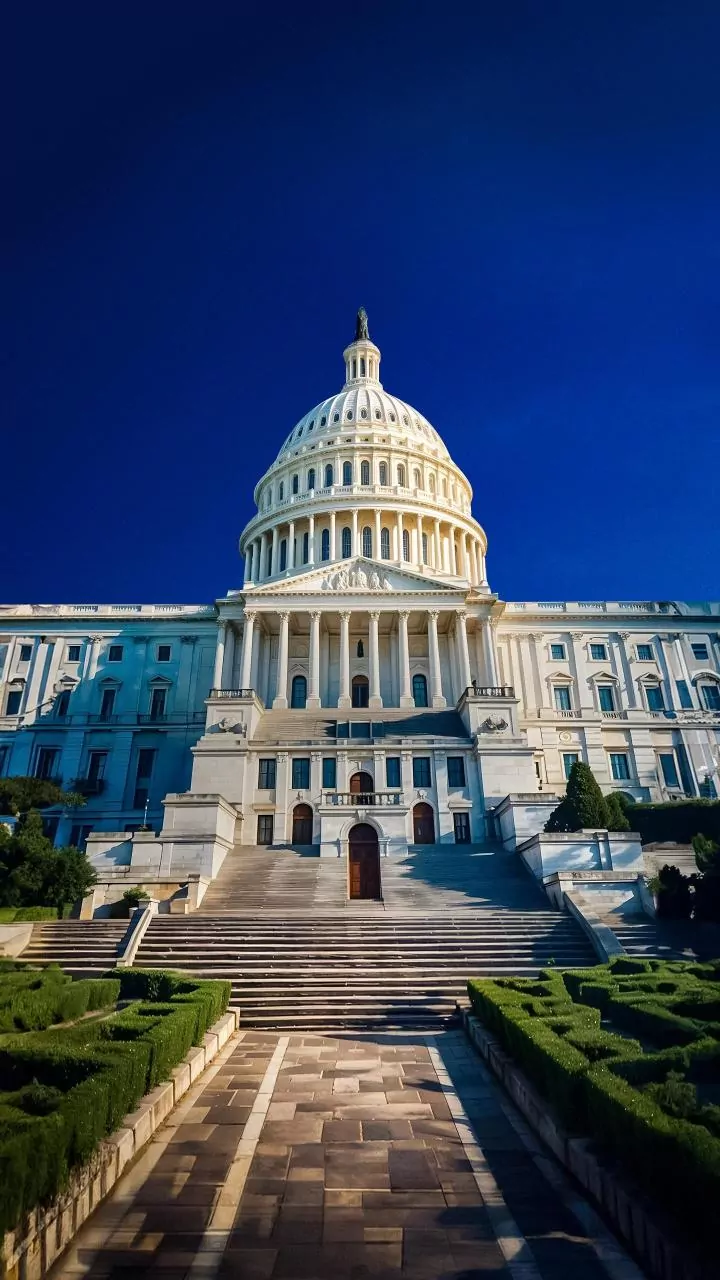

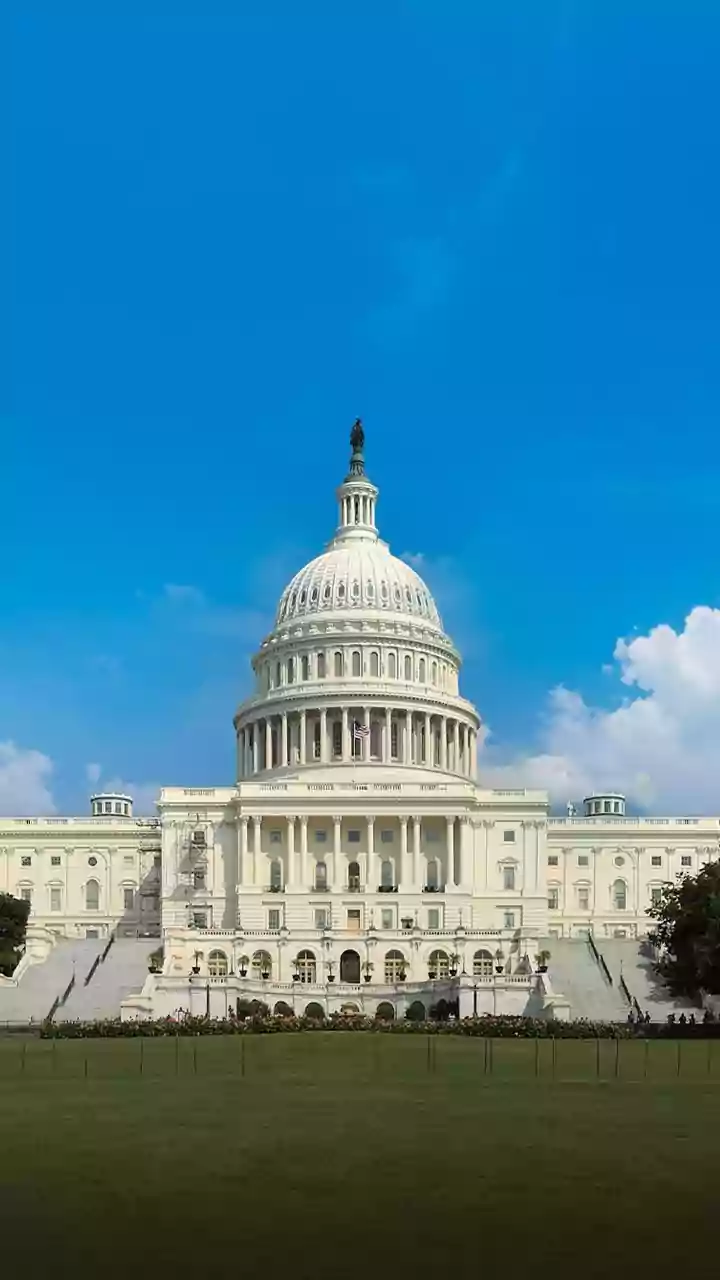

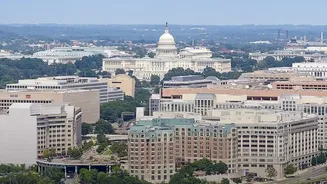
The 2026 US midterm elections have delivered a stunning verdict, with the Democratic party winning control of both the House and Senate in a historic rebuke of President Donald Trump. The world now watches as a weakened president confronts a newly empowered
opposition, ushering in a period of profound uncertainty for American foreign policy and global stability.
A Referendum on Trump's Foreign Policy
American elections are rarely decided on foreign policy, but 2026 proved to be the exception. Voters delivered a decisive 'blue wave' to the Democrats, flipping Republican seats in traditional strongholds and seizing control of both chambers of Congress for the first time in President Trump's second term. Analysts widely agree that the outcome was a direct response to the economic consequences of the administration's international policies. Polls ahead of the election showed that the high cost of living, fueled by rising gas prices and inflation, was the top concern for voters. Many drew a straight line from their financial hardship to the ongoing war with Iran and the administration's sweeping trade tariffs, transforming global affairs into a critical pocketbook issue.
The New Power Dynamic in Washington
With their newfound majority, Democrats will control the congressional agenda starting in January 2027. This gives them significant tools to counter the White House. Their most potent weapon is the 'power of the purse,' as Congress controls all federal funding, including defense spending and foreign aid. Furthermore, Democrats will now chair all congressional committees, granting them the authority to launch investigations, hold oversight hearings, and issue subpoenas. This will allow them to put the administration's foreign policy decisions, from the war in Iran to dealings with allies, under a microscope. While the president retains his veto power and significant executive authority, he will now face formidable institutional checks on his power, creating the conditions for legislative gridlock and intense political battles.
Flashpoint: The War in Iran
The most immediate arena for this conflict will likely be the US-led war against Iran. The conflict has been cited as a key driver of high energy prices and, consequently, voter dissatisfaction. The new Democratic majority is expected to use its oversight and funding powers to aggressively challenge the war, potentially restricting funds for military operations or using the War Powers Resolution to hold the president accountable. However, this has also created a period of heightened danger. Some experts warn that President Trump may use the 'lame-duck' period before the new Congress is seated to escalate the conflict, viewing it as a closing window to act without restraint. This makes the coming months a particularly volatile time for the Middle East.
Trade, Alliances, and a Wary World
The election results also cast uncertainty on America's relationships with its allies and its approach to global trade. A Democratic-led Congress is expected to push for repairing ties with traditional allies in Europe and elsewhere that have been strained by Trump's transactional approach. On trade, there may be attempts to challenge the widespread tariffs that have had significant economic consequences. However, the president retains considerable authority to conduct trade policy through executive action, and a fundamental reversal of course is unlikely. There is also bipartisan appetite for a tough stance on China, suggesting that while the methods may be debated, the era of strategic competition will continue. For global partners, the result is a less predictable America, where statements from the White House may be contradicted by the will of Congress.
An Unpredictable President Unleashed?
The central question for the next two years is how President Trump will react to being cornered. With his domestic agenda likely stalled by a hostile Congress, he may pivot even more forcefully toward foreign policy, an arena where presidents historically enjoy more freedom of action. This could lead to more erratic and unilateral behavior as he seeks to secure a legacy ahead of the 2028 election. Foreign governments must now contend with a divided power structure in Washington, where a presidential promise may no longer guarantee American policy. This uncertainty complicates diplomacy and raises the risk of miscalculation by both allies and adversaries, who may be tempted to test American resolve.