





From Aesthetic Ideals to Holistic Health
The traditional narrative around strength training was once dominated by aesthetics. The goal was often to build muscle or lose fat to achieve a certain look. While these motivations still exist, they are no longer the primary drivers for a growing number
of people. Recent data shows a significant shift, with a majority of fitness professionals reporting that their clients now prioritize longevity and quality of life over appearance. This evolution marks a profound maturity in the fitness sector, moving away from a purely transactional 'burn calories' model toward a more transformational one focused on building a better life. In India, this is part of a broader conversation around overall wellness, where fitness is becoming integrated into daily life.
Training for Life, Not Just the Gym
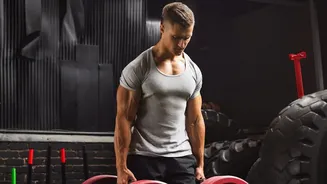
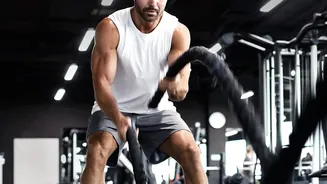
A key part of this new trend is the rise of 'functional fitness'. This approach involves training the body for movements that mimic real-life activities like lifting, carrying, and climbing stairs. The focus is on building practical strength that improves daily life, enhances independence, and prevents injury. This is especially relevant for older adults, who are embracing strength training to maintain mobility and combat age-related muscle loss. The goal is no longer just to 'not be fat', but to be strong, capable, and mobile well into your later years. This mindset shift reframes exercise as a long-term investment in your healthspan—the period of life spent in good health.
The Mental Health Lift
Beyond the physical, the mental health benefits of strength training are becoming a major draw. Many people are now turning to weightlifting as a tool to manage stress, anxiety, and depression. Exercise is known to release endorphins, the body's natural mood boosters, and lifting provides a tangible sense of accomplishment and control. As trainers report a rise in clients seeking anxiety relief, the gym is becoming a vital space for mental and emotional resilience. Each session is a chance to prove to yourself that you can overcome challenges, building a confidence that extends far beyond your personal best lift.
A More Inclusive and Empowering Space
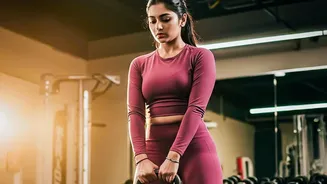
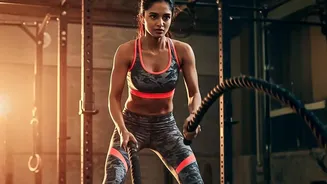
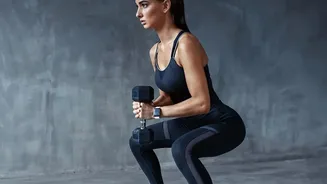
This evolution in goals has also made strength training more inclusive. One of the most significant shifts has been the growing number of women embracing weightlifting. For years, many women were steered away from weights due to the myth that it would make them 'bulky'. Today, that stereotype is being dismantled as women lift to build strength, improve bone density, boost metabolism, and feel empowered. The narrative is changing from 'getting smaller' to 'getting stronger'. This newfound appreciation for strength is reshaping beauty standards, where vitality, health, and confidence are seen as the pillars of modern attractiveness.